
























Scotusblog: Democrats Ask Supreme Court to Let New York Judge’s Redistricting Ruling Stand in Malliotakis Case

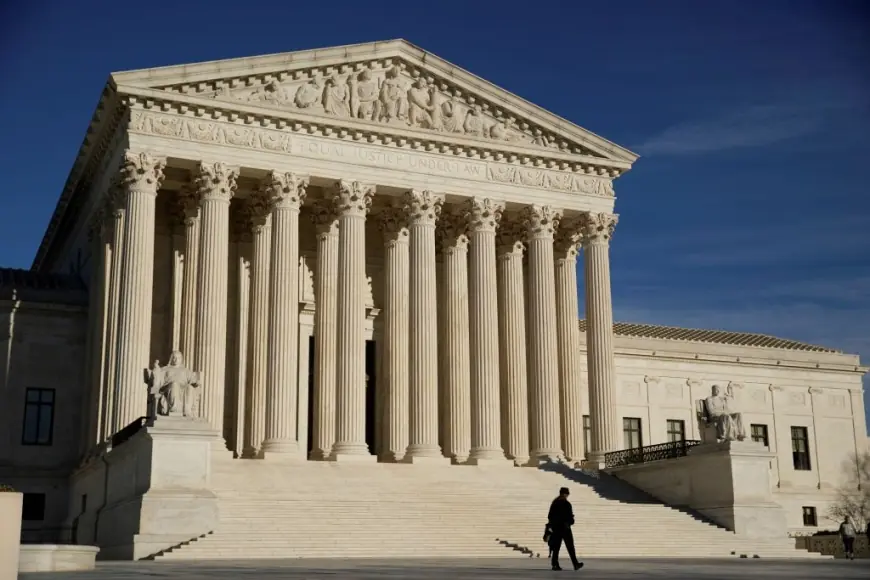
The plaintiffs and a group of state officials have asked the Supreme Court to allow a state trial judge’s order that would bar New York from using its current congressional map in the 2026 elections to remain in effect. The filing, highlighted in scotusblog, centers on a decision that would force New York to redraw a Staten Island–Brooklyn district on the grounds that it dilutes the voting power of Black and Latino residents.
Scotusblog: What happened and what’s new
A state trial judge in Manhattan found that New York’s 11th Congressional District diluted the votes of Black and Latino voters and barred the state from using the existing map in upcoming elections, ordering the independent redistricting commission to propose a new map. The judge’s ruling included a court deadline for the commission’s proposed map and explicitly targeted the map used for the district represented by a Republican member of Congress.
Two separate groups—one made up of voters and another composed of state officials—urged the Supreme Court to leave that ruling intact rather than block it. Defenders of the existing map, including the district’s Republican representative and several election officials and individual voters, sought emergency stays in state appellate courts to keep the current map in place. The state’s highest court declined to take the case, and an intermediate appellate court denied the stay request.
The defenders then asked the Supreme Court to intervene. The legal filings before the high court include claims that the state trial judge’s ruling runs afoul of federal Equal Protection precedents, and a separate submission from the former presidential administration framed the dispute as an improper racial gerrymander. Those challenging the existing map argued to the Supreme Court that federal law limits the court’s ability to pause state-court judgments that are not final rulings from a state’s highest court.
Behind the headline
Context: The challenge began when plaintiffs went to state court to contest the boundaries of the 11th Congressional District, which covers all of Staten Island and parts of southern Brooklyn. The plaintiffs argued the district’s lines violated the state constitution by diluting the influence of Black and Latino voters, who are a significant minority of the island’s population. The state trial judge sided with those challengers and ordered a remedial redraw with a firm deadline for the commission’s proposed plan.
Incentives and constraints: The parties pushing to preserve the trial court’s order emphasize state-court authority over state constitutional claims and warn against early federal intervention in nonfinal state-court proceedings. Those defending the existing map emphasize federal equal-protection principles and seek immediate relief to avoid changes ahead of the next federal election cycle. The Supreme Court’s jurisdictional gatekeeping over state-court matters is central to both strategy and constraint.
Stakeholders: Plaintiffs arguing for a redraw stand to gain a district map they contend better protects minority voting power. The incumbent member of Congress and allied election officials seek to preserve the current map and avoid a midcycle change to district boundaries. The independent redistricting commission is tasked with producing a replacement map if the trial court order remains in force; the Supreme Court’s decision on whether to intervene will determine the commission’s next actions.
What we still don’t know
- Whether the Supreme Court will grant emergency relief and block the trial court’s order before a new map is proposed.
- How the independent redistricting commission will respond if the trial court’s deadline stands.
- Which factual determinations from the trial court the Supreme Court, if it takes the case, would treat as reviewable.
- How quickly any remedial map could be implemented for the next federal election cycle if the order is allowed to stand.
What happens next
- Supreme Court denies immediate relief: The trial court’s order remains in place, triggering the commission to prepare a new map by the court-ordered deadline; prompt state action would follow.
- Supreme Court grants a stay: The existing map stays in effect while the state appeals proceed, forestalling a redraw until higher-court review concludes.
- Supreme Court takes the case on the merits: The court could decide whether and when it may review state-court judgments on federal claims, potentially setting a wider precedent about reviewability of nonfinal state-court actions.
- Negotiated or expedited state process: Parties could pursue settlement or expedited state-court processes that yield a resolution without extended federal intervention.
Why it matters
Near-term impact includes whether New York will enter the 2026 election cycle with the challenged map or with a court-ordered remedial map. The dispute raises jurisdictional questions about the Supreme Court’s role in pausing state-court orders and illustrates the tension between state constitutional claims over districting and federal equal-protection concerns. The outcome will affect who has leverage over the timetable for redrawing a district that mixes Staten Island and southern Brooklyn communities and will shape how state redistricting commissions and courts respond to similar challenges going forward.
The term scotusblog appears in public discussion of the case as attention focuses on the filings now before the high court; the underlying legal conflict will determine whether change to the district boundaries occurs ahead of the next federal elections.