
























Outspoken Laos lawmaker's election exit sparks rare dissent

One of the few lawmakers willing to call out corruption in single-party laos removed herself from the ballot days before a tightly managed national vote, touching off a rare wave of public dissent and drawing attention to limits on political choice.
Outspoken lawmaker exits ballot
Weeks after a list of candidates was publicised, Valy Vetsaphong announced she had removed herself from the ballot, ending a decade-long career in parliament. Her departure followed her being left off the candidate list ahead of the vote, and some observers remain sceptical about the circumstances of her exit.
Valy said she was quitting politics to focus on economic development work and to allow herself "more personal time. " She had been one of only six non-communist party members allowed in the National Assembly and was notable for calling out corruption inside the single-party system.
What this means in Laos
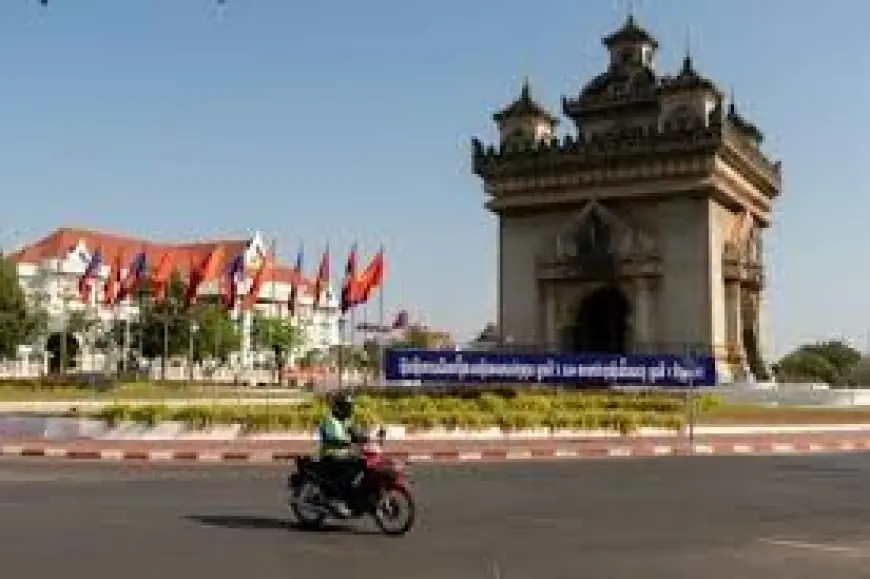
In laos, candidates for the National Assembly are pre-selected by the ruling communist party, and the ballot process has long been tightly managed. Names and photos of candidates have been displayed publicly ahead of the vote, and banners celebrating the election have been visible in some communities.
The current electoral configuration lists 243 candidates contesting 175 seats, all pre-selected by the ruling party, making the exercise largely performative. The nation has no opposition parties and no fully independent news outlets. The ruling party has held power for more than five decades, and dissent is widely treated as dangerous: protests are swiftly crushed and government critics have faced jail or disappearance.
Social media and short-term outlook
Valy's announcement, coming just days before the scheduled poll, set off an intense online reaction. Some social media users openly expressed support for her, while others voiced discontent over her exit — a public mix of views that observers describe as a rare crack in the state’s overarching control.
The immediate indicator to watch is whether the online unrest translates into any form of public action before or around the vote. If public demonstrations emerge, they would face the same risks as past dissent. The near-term political landscape is likely to be shaped by how visible and sustained the public reaction remains through the polling period.
- Valy Vetsaphong removed herself from the ballot days before the vote.
- All 243 candidates for 175 seats were pre-selected by the ruling party.
- Online reactions ranged from support to discontent, exposing a rare public split.
The episode highlights both the managed nature of the ballot and the limited space for political criticism, while the online response underscores the potential for isolated events to generate broader public attention in a tightly controlled system.