





















Aliens file order shifts scrutiny to defense agencies and public oversight

Public interest and government responsibilities collide after a presidential directive asking agency leaders to start identifying and releasing files tied to aliens, extraterrestrial life and unidentified aerial phenomena. The move puts defense agencies and oversight mechanisms in the spotlight, while leaving key questions about what will surface and how quickly those records can be reviewed and shared.
Who is immediately affected and how the Aliens directive changes the pressure points
Government officials named in the directive are now tasked with inventorying records and deciding what can be released, a process that will involve legal, national security and classification reviews. Military investigators who track unidentified aerial phenomena already face heightened scrutiny from lawmakers and the public; this instruction channels that scrutiny toward formal declassification work rather than isolated briefings or summaries. Here’s the part that matters: the decision to push agencies into a release process broadens the conversation from unexplained sightings to questions about transparency, classification policy and interagency coordination.
What’s easy to miss is that asking agency heads to begin the process does not equate to an immediate dump of documents. The directive triggers procedures and review steps that determine what becomes public.
Details of the order and the context it followed
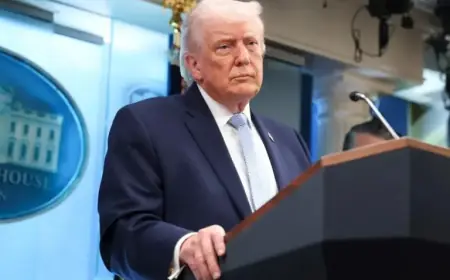
The president directed the Defense Secretary and other agency leaders to begin identifying and releasing government files tied to UFOs, aliens and extraterrestrial life. The instruction was posted on the president’s social media account and asked agencies to locate any relevant material and related information. It is not yet clear which records will be identified or the scope of material to be released.
Military authorities have tracked what they call unidentified aerial phenomena for decades. A 2024 report from the military’s anomaly office found no evidence that government investigations had confirmed extraterrestrial life and likewise found no indication that the phenomena were attributable to foreign adversaries. At the same time, pilots and service members have reported hundreds of unexplained objects, and some cases remain unresolved even after routine explanations like birds, balloons, drones and satellites account for many sightings.
The directive arrived just days after a former president said publicly that extraterrestrial life is real and then clarified that he had not seen evidence of contact during his time in office. The sitting president criticized that earlier comment as a mistake that disclosed classified material and suggested he might address any classification issues by declassifying relevant records himself. Observers will be watching whether the review process focuses narrowly on declassification questions or opens broader investigative and transparency pathways.
- Decades: the Pentagon has tracked unidentified aerial phenomena over many years.
- 2024: a military anomaly office stated it found no evidence of extraterrestrial beings or technology in its report.
- Thursday: the president directed agency heads to begin identifying and releasing files tied to UFOs, aliens and extraterrestrial life.
Quick questions that matter now
Will records be released immediately? The instruction begins an identification and review process; it does not guarantee immediate public release.
Will this resolve whether aliens have visited Earth? Past military work has not confirmed extraterrestrial contact, and the anomaly office said it found no evidence of extraterrestrial beings or technology in its 2024 findings. Many incidents remain unexplained, but no confirmed proof of visitation has been established in the referenced reports.
If you’re wondering why this keeps coming up, public sightings and high-profile comments have pushed lawmakers and agencies to keep examining UAPs, and this directive shifts some of that pressure into formal declassification and review channels.
The real question now is how thorough the reviews will be, how agencies will handle classification boundaries, and whether the materials ultimately released change the public record or simply broaden existing summaries. If agencies move quickly to complete inventories and release records, that will be the clearest signal that the directive is producing substantive transparency; if the process stretches on, it will look like a procedural response without immediate disclosure.
Micro Q&A above offers the practical takeaways for readers tracking what may emerge next and which institutions will be doing the work.