


















Mariners tilt spring roster toward youth, putting prospects into immediate spotlight and changing early-season dynamics

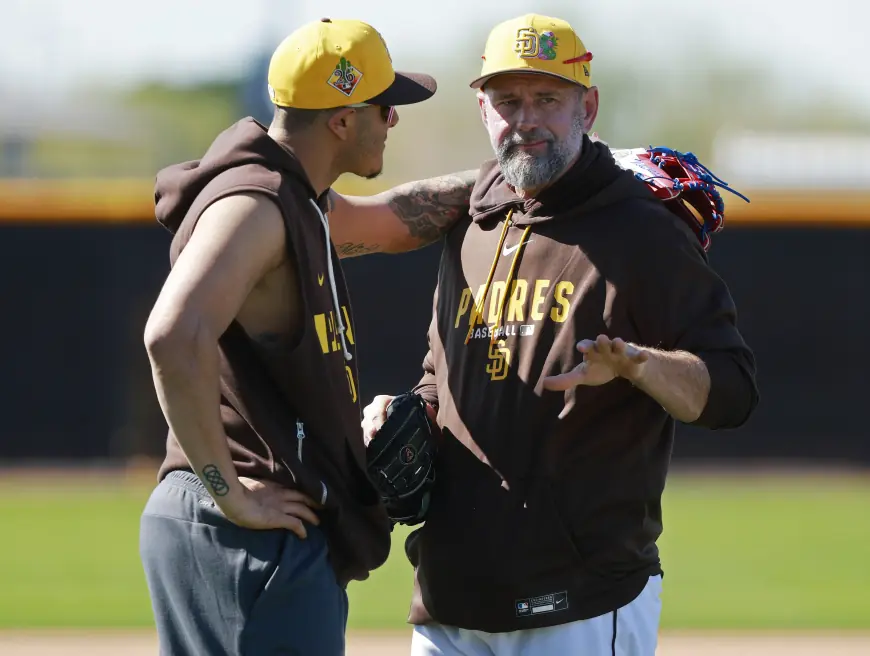
The compressed offseason and a large World Baseball Classic contingent means mariners camp will be one of opportunity more than audition. Prospects already appear in the first spring lineup, giving younger players early, real-game reps while established regulars prepare for international duty. That shift accelerates who gets noticed and who must prove staying power before the club sorts out roles ahead of Opening Day.
Mariners' short-term plan hands prospects first-wave responsibility and sharper evaluation windows
What’s at stake here is practical: with many regulars slated for the WBC and a tight turnaround after a deep playoff run, the club has intentionally set up spring to let prospects show they can handle meaningful innings and at-bats. The approach puts on-field development on the same calendar as roster construction — younger players will not just practice, they will be asked to perform in games where the coaching staff can judge readiness under live conditions.
Here's the part that matters for roster watchers: sooner exposure to Cactus League pitching and mixed-level lineups speeds decision-making on who stays for the early season, who needs more seasoning, and who becomes depth. What's easy to miss is that these reps are also a messaging tool — they signal which players the organization trusts to step into short-term gaps created by international duty.
Spring details embedded: who’s out, who’s in, and how the clubhouse will operate
The early lineup notes show a mix of veterans not yet playing the field and younger names getting game action. Specifics from camp: a handful of established players are expected to depart for the World Baseball Classic, and the club has said it prepared individualized training programs to keep those players ready. Manager-level planning has mapped game workloads with the training and high-performance staffs to maintain conditioning and timing.
Several named players are slated for international play, creating windows for prospects: a catcher, a center fielder, a first baseman, and multiple relief arms are among those listed as participants. One new free-agent addition was highlighted in the offseason conversation, and at least one starting pitcher was placed in a designated pitcher pool for a national team, making his participation contingent on that team's progress. A recent first-time All-Star chose not to join a national team after recovering from a late-season injury and the playoff run.
Camp lineup notes already show younger players getting at-bats and innings. Specific names tied to early opportunities include a prospect who is explicitly being lined up for regular looks and others identified as candidates to receive expanded reps during Cactus League play. The spring schedule was built with those possibilities in mind.
- Large WBC participation creates predictable absences and predictable openings for prospects.
- Individualized conditioning and mapped game plans aim to keep international players ready while protecting workload.
- Early-game reps allow the staff to evaluate which prospects are roster-ready versus who needs more Minor League time.
- Prospects receiving Cactus League innings will see accelerated exposure to higher competition levels than they might in a normal spring.
Four months after a deep playoff run, the sequence of short rest, a busy offseason, and WBC-related absences compresses evaluation time for the staff. The real question now is whether the crystalizing of roles in March will reflect long-term plans or simply temporary patchwork while the international tours conclude.
Key signals to watch for that would confirm whether this plan is working include increased stability in early-game lineups, clear performance edges from the prospects receiving reps, and how quickly returning international players are reintegrated through tailored workloads. Expect roster clarity to sharpen as spring progresses and the club balances development with readiness for Opening Day.
The bigger signal here is that the organization is using spring competition as a laboratory: some players will emerge as immediate pieces, others will be placed back into controlled development tracks.