



















MAHA Moms Turn Against Trump Over Glyphosate (glyphosate) Order


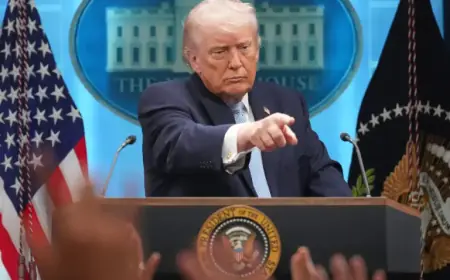
President Trump’s executive order to increase domestic production of glyphosate has prompted a sharp backlash from leaders and members of Health Secretary Robert F. Kennedy Jr. ’s MAHA movement, a group of health-conscious, mostly female supporters who had shifted their votes to the president. The move matters now because it risks undoing a brief political alignment ahead of the midterms.
Glyphosate order sparks MAHA backlash
Leaders of the MAHA movement voiced anger after the order, which they say contradicts earlier promises to address toxins and pesticides. Alex Clark, a health and wellness podcaster for a conservative group closely allied with the president, said, “Women feel like they were lied to, ” and questioned how organizers could rally these women to vote for Republican candidates in the midterms. Many women who had identified with MAHA publicly expressed feelings of betrayal.
Movement leaders largely spared Secretary Kennedy the brunt of the criticism, praising his actions while criticizing the president. Vani Hari, a healthy eating activist who has advised the administration on food policy, said Secretary Kennedy had “done everything he said he’s going to do, ” and described widespread anger among followers. Some commenters on social platforms asked why the secretary had not intervened and asked, “Where is RFK Jr. ?”
How glyphosate became a defense priority
The order invoked the Defense Production Act to spur production of supplies deemed critical to national defense, directing action to boost domestic supplies of elemental phosphorus and glyphosate. The document stated that ensuring adequate supplies of elemental phosphorus and glyphosate-based herbicides is “crucial to the national security and defense, including food-supply security. ” A White House spokesman defended the measure as not endorsing any specific product or practice.
It is unclear at this time whether the health secretary was consulted before the order was issued; both the White House and a spokesman for the secretary declined to say.
Kennedy defends the move
Secretary Kennedy issued a statement saying the order would strengthen “our defense readiness and our food supply. ” That defense comes amid tensions: Kennedy previously helped secure a jury award against the maker of a glyphosate-based herbicide in 2018, an award of $289 million mentioned in earlier litigation. The order’s focus on glyphosate—often marketed under the name Roundup—and on elemental phosphorus has highlighted an unusual coalition of policy and political priorities.
Health authorities have differed on glyphosate’s risks: the International Agency for Research on Cancer has deemed glyphosate “probably carcinogenic to humans, ” a finding that has been central to litigation and activist concern.
Political implications ahead of midterms
The immediate political fallout centers on whether MAHA-aligned women will remain supportive of the president and Republican candidates in the upcoming midterms. Organizers and allies are already questioning whether they can rebuild trust after what many describe as a perceived reversal. One podcaster asked how they could rally these women to vote red in the midterms and expressed uncertainty about regaining their trust.
Forward-looking scenarios are conditional: if the MAHA movement’s rank-and-file sustain their withdrawal of support, campaign strategists may face a narrower coalition of reliable voters in competitive races. Conversely, if movement leaders and the health secretary can assuage members’ concerns, the rift might be contained. Officials’ continued silence on whether the secretary was consulted leaves high-level coordination unclear, and that uncertainty compounds the political risk as campaigns prepare for the vote.
Key takeaways
- The executive order invoked the Defense Production Act to boost supplies of phosphorus and glyphosate.
- MAHA movement leaders and many followers feel betrayed, putting midterm support at risk.
- The health secretary defended the order as strengthening defense readiness and the food supply.