




















Boeing Starliner Failure Declared Type A Mishap as NASA Details Hardware, Leadership and Cultural Breakdowns

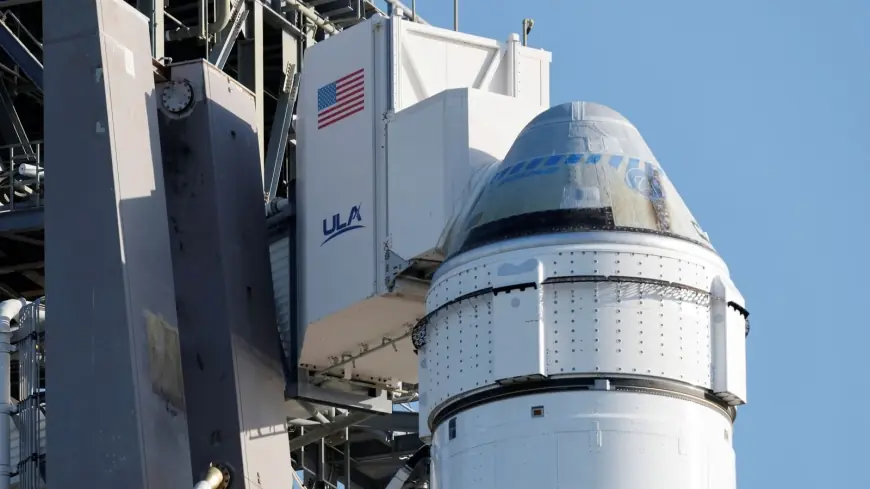
The Boeing Starliner Failure has been formally classified as a "Type A" mishap following a comprehensive investigation that found combined hardware failures, leadership missteps and cultural breakdowns. The agency's 312-page report places the incident among the most severe in its history, underscoring how engineering and oversight shortfalls transformed an eight-to-14-day crewed test into a months-long crisis that left two astronauts stranded on the International Space Station.
Boeing Starliner Failure: How a Short Test Became a Prolonged Ordeal
The mission launched on its first crewed test flight with two astronauts aboard. Early in the flight, propulsion anomalies emerged that compromised the spacecraft's thrusters and left the vehicle dangerously out of control at one point. Those failures forced a manual recovery of key systems and ultimately extended the planned short-duration mission into a long stay for the crew, who spent months on the station awaiting resolution.
The investigation found the spacecraft had faced technical challenges throughout its development and recent missions. While control was regained prior to docking, investigators concluded there was potential for a significant mishap, and that the loss of maneuverability and the associated financial damages met the threshold for a Type A classification. The spacecraft later returned to Earth without the two astronauts aboard; the crew returned home on a different flight months after the initial mission.
Key Findings: Hardware Faults, Oversight Gaps and Cultural Problems
The report attributes the Boeing Starliner Failure to an interplay of multiple contributors rather than a single causal error. Investigators identified combined hardware failures and qualification gaps that directly affected the propulsion system. These technical issues were compounded by poor engineering practices, a lack of oversight, and leadership mistakes that created conditions inconsistent with the agency's human spaceflight safety standards.
- Hardware and propulsion anomalies left the vehicle with degraded maneuverability at critical mission phases.
- Qualification gaps and engineering shortcomings were evident across recent missions.
- Leadership and cultural problems between the contractor and the agency weakened decision-making and risk controls.
- Additional technical concerns noted during development included earlier identified system vulnerabilities.
The agency has accepted the investigation as final and stated it will take corrective actions aimed at addressing the findings and preventing recurrence.
Stranded Crew and Mission Timeline
The two astronauts who flew the test were aboard the International Space Station far longer than planned; what had been intended as an eight-to-14-day test extended into months while the technical anomalies were examined. The spacecraft returned from orbit without them after ground testing and data review. The crew later returned home on a separate operational flight several months after the original mission.
The investigative timeline culminated in a completed report that spans hundreds of pages and marks a formal recognition that the incident met the agency's most severe mishap criteria. The classification aligns the event with prior high-consequence mishaps in the agency's history, reflecting both the technical severity and the organizational problems the investigation uncovered.
What Comes Next: Corrective Actions and Caution Before Return to Flight
The agency plans to work with the spacecraft developer to implement corrective actions identified by the investigation and to ensure lessons learned contribute to crew and mission safety for future flights. The report recommends that programmatic goals not drive engineering and operational decisions in ways that compromise safety. Technical root-cause work will continue as the partners address the propulsion and qualification issues highlighted by the investigation.
Recent updates indicate the agency will hold leadership accountable and pursue reforms aimed at rebuilding confidence in the vehicle and its processes. Details about specific corrective steps and timelines were outlined in the investigation documents and are being acted on as the teams move toward returning the vehicle to flight readiness. These steps are intended to ensure that a recurrence of the Boeing Starliner Failure does not happen again.