
























Indiana Committee Advances Stadium Bill as Chicago Bears Signal Possible Shift Toward Hammond

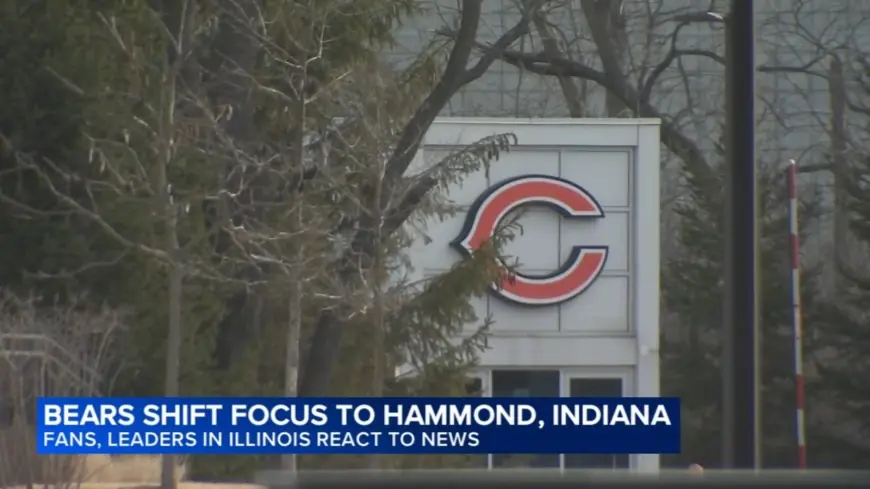
The Chicago Bears signaled a potential move to Hammond, Indiana, after Indiana legislators unanimously advanced legislation that would create a stadium authority near Wolf Lake. The development matters because it establishes a formal framework for negotiations, tax mechanisms and site-specific due diligence that could determine the franchise's next home.
Chicago Bears: What happened and what’s new
Legislators voted unanimously on Thursday morning to move an amendment to Senate Bill 27 out of the Ways and Means Committee. The amendment would establish a Northwest Indiana Stadium authority modeled on the Illinois Sports Facilities Authority and put in place tax measures intended to fund stadium construction and related infrastructure.
, the team described passage of SB 27 as the most meaningful step forward in its stadium planning to date and said it would complete the remaining site-specific due diligence to support a vision for a stadium near the Wolf Lake area in Hammond. State lawmakers framed the proposal as a public-private partnership; lawmakers said the team would contribute two billion dollars toward construction costs. The legislative package as described includes proposed new food, beverage and innkeepers taxes in Indiana's northwest counties to help cover construction and infrastructure expenses.
Local and state leaders in Indiana publicly expressed readiness to partner on the project. Hammond's mayor and the Indiana Speaker of the House participated in testimony during the committee hearing and characterized the site as well positioned to serve the broader Chicagoland region. Indiana's governor issued a statement noting a promising site near Wolf Lake and described the amendment as establishing a framework for completing an agreement contingent on successful site due diligence.
In Illinois, the governor said he was surprised and disappointed by the team's statement. He noted that state officials had held extensive discussions with the team, including more than three hours of talks, and that an Illinois committee hearing on related legislation had been canceled after the team requested additional time to tweak items in a bill the state was preparing.
Fan reaction was visible and varied on the ground, with some expressing strong opposition to a move out of Illinois and others voicing frustration at the possibility of an interstate relocation.
Behind the headline: context, incentives and stakeholders
The immediate context is a legislative effort in Indiana to create institutional and fiscal mechanisms that would make a large stadium project feasible across state lines. For Indiana and Hammond, the incentive is economic development tied to a major sports venue and the ability to capture construction and tourism activity. For the Chicago Bears, the amendment provides a formal pathway to negotiate a public-private deal and to secure site access and local approvals contingent on due diligence.
Key stakeholders include the team, Indiana state leaders and local Hammond officials who would host the site, Illinois state officials who have been negotiating with the franchise, regional taxpayers who would be affected by proposed new taxes, and fans whose loyalties and routine could be disrupted by any move. The team’s stated commitment to complete site-specific due diligence is the immediate constraint: any final agreement depends on the results of that process and on further legislative action.
What we still don’t know
- Final vote timeline for Senate Bill 27 beyond committee advancement.
- Results and timeline of the Chicago Bears’ site-specific due diligence near Wolf Lake.
- Detailed terms of any public-private financing beyond the team’s stated construction contribution.
- Whether Illinois and the team will reach a parallel or competing agreement after canceled hearings.
- Exact fiscal impact and implementation timetable for the proposed food, beverage and innkeepers taxes.
What happens next
- Legislative advance in Indiana: SB 27 could move to further votes in the state legislature; passage would allow formal negotiations to proceed with clearer legal authority and tax mechanisms as triggers.
- Successful due diligence and site approval: if the team’s site-specific work proceeds smoothly and clears environmental, logistical and financial checks, the parties could enter definitive agreement negotiations, contingent on the framework already advanced.
- Illinois re-engagement: the team and Illinois officials could resume negotiations and seek to refine state-level terms; the canceled committee hearing leaves room for renewed talks as a separate pathway.
- Stalled or withdrawn plan: if due diligence raises issues or political resistance to tax measures grows, the proposal could lose momentum and the team could pause or abandon plans for the Hammond site.
- Hybrid outcome: parallel efforts in both states could lead to extended bargaining, with the team weighing competing public offers and logistical factors before selecting a final location.
Why it matters
The immediate practical impacts center on regional planning, public finances and the fan base. The legislative framework in Indiana would introduce new local taxes tied explicitly to stadium funding and create an authority to govern construction and operations, shifting how costs and benefits are allocated. For the Chicago Bears, a move across the state line would reshape where games are hosted and how the franchise interacts with state and municipal partners. For fans and regional stakeholders, the process could alter travel patterns, stadium access and where public money is committed to major sports infrastructure in the near term.
Major next milestones to watch are further legislative action on SB 27, the outcome of the team’s site due diligence, and whether Illinois officials and the team resume talks toward an alternative path.