























2026 Winter Olympics Ice Hockey: Semifinal Countdown — USA vs. Slovakia, Canada vs. Finland and the Key Predictions

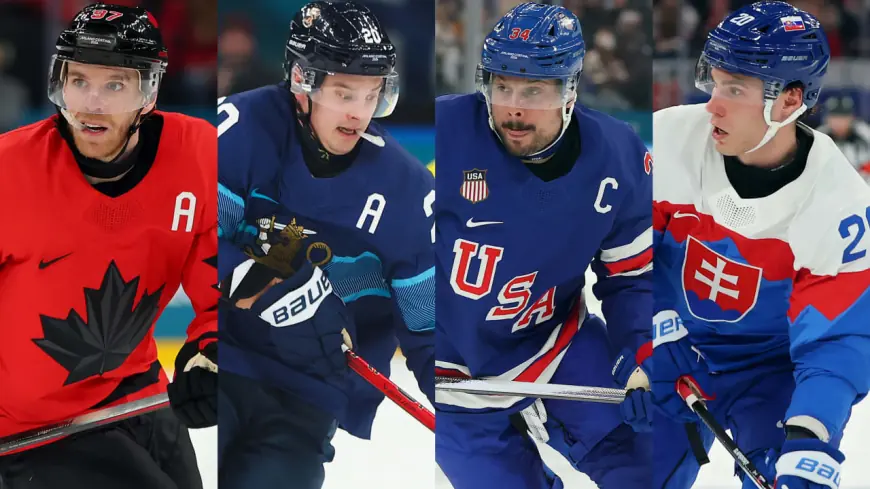
The 2026 winter olympics ice hockey semifinals are set and the stakes are clear: two games will decide who plays for gold and who battles for bronze. A panel of eight writers and editors covering the Olympic tournament in Milan offered predictions and tactical breakdowns for the two semifinal matchups, highlighting goaltending, defensive depth and potential game-changing forwards. The schedule and divergent views matter as teams prepare for back-to-back medal-round pressure.
Schedule and what's at stake for 2026 Winter Olympics Ice Hockey
The semifinal slate is compact and decisive. The first semifinal pairs Team Finland with Team Canada at 10: 40 a. m. ET. The second semifinal features Team Slovakia against Team USA at 3: 10 p. m. ET. The winners will meet for the gold medal at 8: 10 a. m. ET on Sunday, while the losing sides will contest the bronze medal at 2: 40 p. m. ET on Saturday. With the medal games packed into a tight window, recovery and lineup management will be critical.
Panel predictions and tactical factors shaping the semifinals
Panelists offered a mix of clear favorites and upset scenarios, with recurring themes that point to how each game might unfold.
- Canada vs Finland: Several panelists highlighted Canada’s depth and defensive structure as decisive. Finland’s offense was described as struggling to find consistent production, making elite goaltending a likely requirement for them to advance. The Finnish goaltender Juuse Saros was singled out as a potential stabilizing force, while Canada’s balance of experienced leadership and high-end scorers was viewed as a matchup strength.
- USA vs Slovakia: Opinions split between the United States’ depth — particularly a strong blue line — and Slovakia’s tournament momentum. The Slovakian duo of Juraj Slafkovsky and goaltender Samuel Hlavaj received praise as catalysts for a continued surprise run. Meanwhile, the U. S. defensive corps and top-end forwards were cited as ingredients that could suppress Slovakia over a full 60 minutes.
Individual names frequently mentioned by panel members underscore the tactical focus: leadership and influence from long-tenured veterans; breakout scoring from younger talents; and the potential for goaltending to swing a tight game. Panelists noted scenarios where a single clutch moment or a hot netminder could override pregame expectations.
Key trends to watch during the semifinals
Several consistent trends emerged from the predictions and will be central to how the semifinals unfold:
- Goaltending will shape outcomes: strong performances in goal were highlighted as a likely path for underdogs to remain competitive and for favorites to maintain control.
- Depth on defense: the ability to roll four effective defensive lines or rely on a dominant blue line was presented as a major advantage, especially in the matchups that could stretch into extra time or require physical endurance.
- Clutch scoring from top forwards: a single timely goal from an elite forward was described repeatedly as a potential game-decider in tightly contested semifinal play.
Panel contributors also observed that several semifinalists entered this stage after hard-fought quarterfinals, including overtime battles, which could influence roster decisions and fatigue management heading into the medal round.
As the 2026 winter olympics ice hockey semifinals approach, the combination of schedule pressure, goaltending performances and depth will determine which two teams get a shot at gold and which two must regroup for bronze. Predictions vary, but the tactical motifs are clear: defense, netminding and timely offense will decide the outcomes in Milan.