























Amber Glenn’s near-perfect free skate brought personal redemption but left Olympic medal hopes out of reach

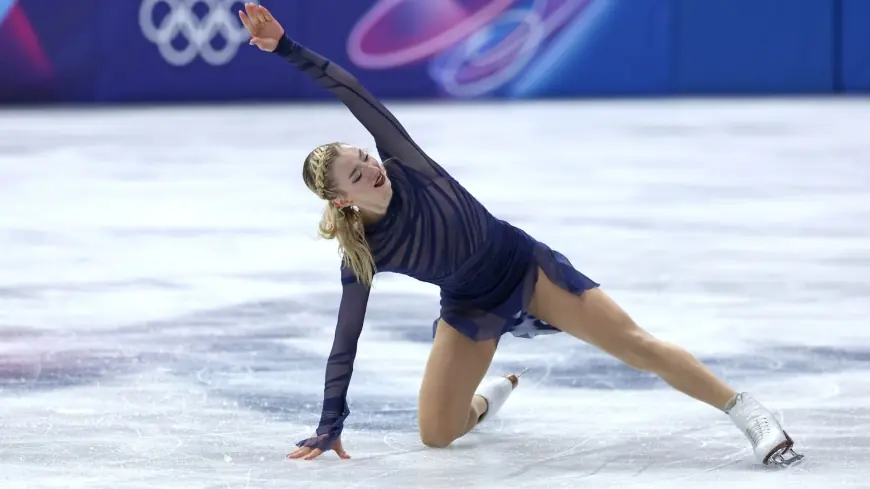
For amber glenn the immediate impact is sharply personal: a near-perfect free skate at Winter Olympics 2026 restored her competitive identity, yet it did not convert into an Olympic medal. The program’s quality and a late, costly error created a bittersweet result—a third-place free skate that underscored both progress and how thin the margin is between redemption and disappointment.
Impact on the athlete and immediate circle: what changes first for Amber Glenn
Her near-perfect free skate alters perceptions about where amber glenn stands right now. Team members, coaches and close observers will treat the performance as evidence that the technical and artistic components are present when she is clean. At the same time, the single mistake that upended broader medal hopes makes this performance a pivot point rather than a finish line: it sharpens the immediate priorities for training and recovery, and it reframes media and fan narratives around resilience instead of podium placement.
What’s easy to miss is that a strong free skate can recalibrate an athlete’s momentum even when it doesn’t produce hardware—momentum that often matters more in the months that follow than a single result.
Event details and context: the late comeback inside the Winter Olympics 2026 free skate
In the free skate at Winter Olympics 2026, amber glenn produced what has been described as a near-perfect program, and finished third in that segment. Despite that placement in the free skate, the overall outcome left her without an Olympic medal because of a single mistake that significantly affected her final standing. The emotional fallout was sharp: the event closed with disappointment after a performance that otherwise signaled significant competitive quality.
- Performance note: near-perfect free skate resulting in third place in the free skate segment.
- Overall outcome: performance did not produce an Olympic medal for the athlete.
- Turning point: one mistake in the program changed medal prospects.
Here's the part that matters: the clear gap between execution and outcome highlights how a single error can erase a comeback in elite competition, and why clean consistency will be the priority going forward.
- Strong sign: a near-perfect program demonstrates capacity to deliver at the highest level when clean.
- Immediate effect: renewed confidence in technical and artistic readiness despite the absence of a medal.
- Groups most affected: the athlete herself, coaching staff and performance planners who must balance recovery and refinement.
- Signal to monitor: whether similar clean programs appear in forthcoming official results and selections will indicate if this was a turning point or an isolated peak.
The real question now is how amber glenn and her team translate a high-quality free skate into consistent, medal-caliber final outcomes. Expect preparation to center on reducing the kind of single error that, in this instance, determined the difference between redemption felt and a medal earned.
Timeline rewind (compact): Winter Olympics 2026 featured the free skate in which amber glenn posted a near-perfect third-place segment yet left the Games without a medal after one decisive mistake turned the result.
The bigger signal here is that this performance will be read less as an endpoint and more as a diagnostic: it shows clear strengths to build on and a specific vulnerability to address. Recent official listings show the segment placement and overall result; details about subsequent competitive plans and adjustments are expected to emerge as the team evaluates the performance.
Editorial aside: It’s not unusual in elite winter sport for a single element to reshape an entire Olympic narrative—this performance will be measured in training notes and next starts as much as in headlines.