

























How a single overtime strike at the 2026 Winter Olympics Ice Hockey Arena lifted U.S. women's hockey — the immediate impact

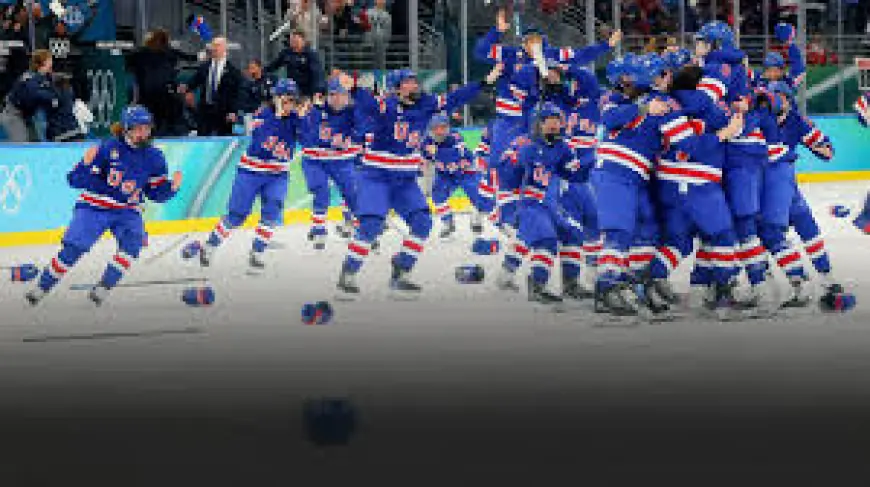
The moment that decided gold in Milan didn't just end a game; it shifted momentum for players, supporters and the sport's narrative at the 2026 Winter Olympics Ice Hockey Arena. Megan Keller's overtime goal completed a comeback that began when captain Hilary Knight tied the match with the net empty, turning a late risk into a defining Olympic moment. The ripple touches teammates, national programs and the rivalry that just produced one of the tournament's most dramatic finishes.
Immediate impact at the 2026 Winter Olympics Ice Hockey Arena
Here's the part that matters: the win directly alters how team personnel, fans and future opponents will approach both roster decisions and game strategy. For the U. S. roster, a late-game equalizer followed by an overtime winner underlines depth and clutch execution; for Canada, the narrow loss will be the kind of close, high-stakes lesson that typically prompts tactical adjustments. Crowd energy, recruiting narratives and short-term momentum for the winning side all shift overnight after an ending like this.
How the final unfolded and what changed in play
The gold medal match reached its decisive turn after a late third-period equalizer and an early overtime finish. Canada opened scoring shorthanded, ending a shutout streak that had stretched for hours. The Americans killed a late Canadian power play, then pulled their goalie with roughly two and a half minutes remaining; captain Hilary Knight deflected a shot to tie the game and force overtime. Four minutes and seven seconds into the extra period, Megan Keller maneuvered past the defense to slide the puck over the line and secure the win.
- Shots were nearly even after regulation — 29 to 28 in favor of Canada.
- The shutout streak that ended had lasted three hours, fifty-two minutes and seven seconds.
- The match took place at Milano Santagiulia Ice Hockey Arena on Feb. 19, 2026, in Milan, Italy.
What's easy to miss is how the timing of events altered risk-reward decisions: a successful kill of a late power play directly enabled the pulling of the goalie and the tying play that followed. The sequence compressed pressure into a short window that the U. S. exploited.
- Key takeaways: Megan Keller's overtime goal determined the gold-medal result, while Hilary Knight's late-game equalizer forced extra time.
- Special teams swung momentum — a shorthanded goal opened scoring and a decisive penalty kill preserved a late opportunity for the U. S.
- Match statistics indicate a tightly contested final, with shots nearly level and decisive plays occurring in the closing minutes and overtime.
- This outcome immediately reshapes short-term planning for both national programs, from line combinations to in-game tactics.
Micro timeline:
- Late in regulation: Canada scores shorthanded, ending a lengthy shutout run.
- About 2: 30 remaining: the U. S. pulls its goalie; Hilary Knight deflects a shot to tie and force overtime.
- 4: 07 into overtime: Megan Keller scores the game-winner to claim gold.
The real question now is how this match will be referenced in short-term adjustments—coaching staffs and player development programs will likely study the late-game decisions closely. For fans, the result is immediate vindication; for opponents, it's a reminder that single moments can redirect entire tournaments.
This is a developing story; details may evolve as teams and officials provide fuller postgame accounts.
Editor’s aside: The bigger signal here is the concentration of decisive plays in a tight window — that clustering often foreshadows quick tactical shifts in subsequent international play.