
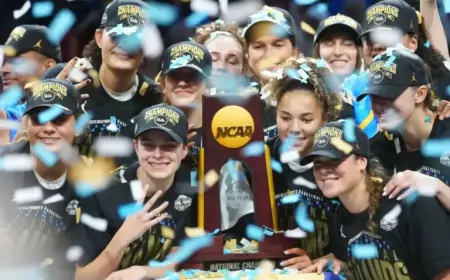
























Megan Keller’s overtime goal lifts U.S. past Canada for Olympic gold, delivering Minnesota’s first Milan Cortina victory

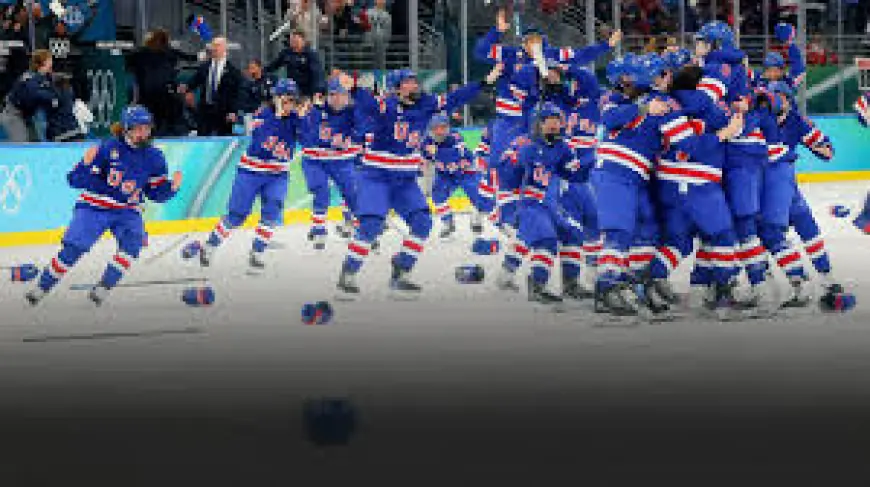
What’s new: Megan Keller finished in overtime to lift the United States past Canada for Olympic gold, a result that delivered Minnesota’s first gold of the Milan Cortina Olympics and extended the storied rivalry between the two national programs. The sequence that ended the game is now the defining moment of the matchup.
What happened and what’s new
The headline fact is straightforward: an overtime goal settled the final between the United States and Canada, giving Team USA the Olympic gold medal. The decisive play was completed by megan keller, and the victory is identified as Minnesota’s first gold of the Milan Cortina Olympics. This outcome adds a new chapter to the rivalry between these two national teams and registers as a milestone for Minnesota’s Olympic contributions this edition.
Megan Keller and the decisive moment
The result centers on a single, game-ending moment: an overtime strike credited to Megan Keller that immediately determined the champion. That play is the new, confirmed development and the pivot around which reaction and analysis will revolve. The win is framed both as a national triumph for Team USA and as a local milestone for Minnesota at these Games.
Behind the headline
Context: This match concludes a tournament run in which the United States and Canada met at the very top, reinforcing a long-standing competitive narrative. The change is the outcome of the final itself — an overtime goal that settled the contest — and the consequence is an Olympic gold that carries symbolic and practical weight for the winning program and for Minnesota.
Incentives and constraints: For Team USA, an Olympic title confers sporting prestige and momentum for future competitions. For Canada, a loss in overtime preserves the rivalry’s intensity and creates immediate pressure to regroup. For Minnesota, the result delivers a local achievement that can influence regional recognition and celebration. Constraints include the limited public information about the play and the roster-level details that remain unshared in the available context.
Stakeholders:
- Team USA — gains the Olympic title and recognition.
- Canada — sustains a high-profile near-miss and retains leverage in the rivalry.
- Minnesota — registers a first gold at these Games with related civic and institutional interest.
- Fans and broader hockey audiences — receive a memorable addition to the rivalry’s history.
What we still don’t know
- Full game details: exact scoreline and statistical breakdowns are not provided in the available context.
- Timing and setup of the overtime play: how the sequence developed and which contributors were involved beyond the final scorer remain unconfirmed.
- Reactions from team officials, players, and organizers: formal statements and postgame remarks are not included here.
- Broader tournament implications for rosters, coaching decisions, or future scheduling are not specified.
What happens next
- Local celebrations and recognition: Minnesota is likely to highlight the achievement, with civic and sporting entities taking stock of the milestone.
- Rivalry continuation: the United States and Canada will carry this result into future contests, increasing incentive for rematches and strategic adjustments.
- Program-level evaluation: both national teams may review performance, with the winning side reinforcing successful approaches and the losing side reassessing areas for change.
- Media and fan attention: the dramatic finish will sustain coverage and conversation, focusing on the overtime play and its contributors.
Why it matters
The immediate practical impact is sporting: an Olympic gold is the highest achievement in the field and will shape the narrative for Team USA and the careers of those involved. For Minnesota, the designation as the location associated with the program’s first gold at these Games carries civic pride and potential for local celebration. For the sport, the finish deepens a high-profile rivalry and supplies a memorable highlight that will influence fan engagement and strategic planning for both national programs.
Near-term implications include attention on the players who featured in the decisive moment, heightened expectations for follow-up competitions, and a renewed lens on coaching and roster choices. The absence of detailed game data and official reactions in the available context means initial analysis must remain focused on the confirmed outcome rather than granular claims about performance or momentum.
Bottom line
Megan Keller’s overtime goal is the confirmed new development: it delivered an Olympic gold for the United States over Canada and delivered Minnesota its first gold at the Milan Cortina Games. The result reshapes the immediate narrative of the rivalry and sets up a range of follow-up reactions and decisions that merit attention as more information becomes available.