























Out of the shadows: Ami Nakai's early arrival reframes the women's short program at the Winter Olympics

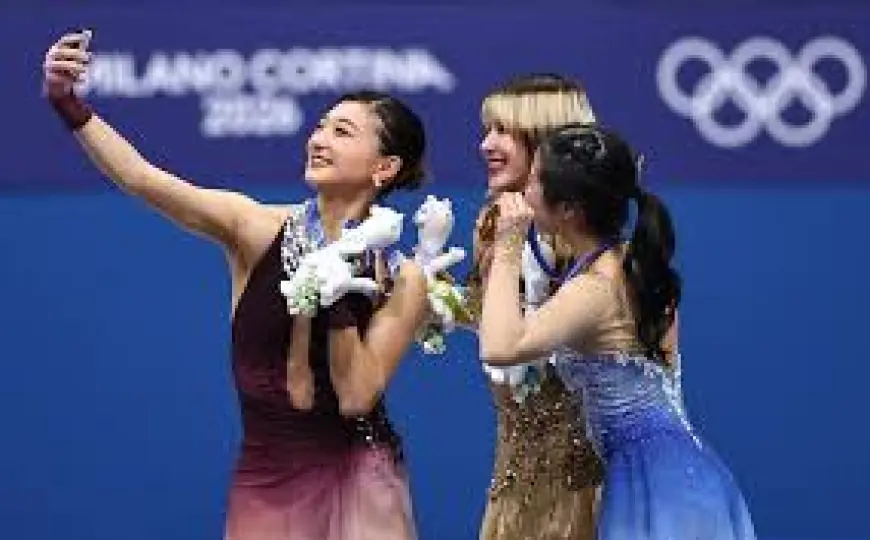
Japan's 17-year-old ami nakai has made an early arrival at the Winter Olympics, a development flagged in coverage published 23 hours ago that joins a later headline showing another veteran's final skate ending in tears and silver. The short program has been characterized as a source of joy, but commentary published two days ago warned that the free skate still holds uncertainty.
What happened and what’s new
The newest confirmed items in the coverage are threefold. First, a headline published 23 hours ago notes the early arrival of Japan's 17-year-old competitor identified in that piece. Second, a headline published 5 hours ago describes a veteran skater's final Olympic skate ending in tears and earning a silver medal. Third, an analysis headline published two days ago framed the women's short program as delivering joy while describing the free skate as carrying unresolved questions.
Those three published headlines together create the immediate news picture: a young skater's unexpected emergence at the Games, a high-profile career ending on an emotional silver, and broader analytical attention to how the competition might unfold in the free skate.
Ami Nakai: behind the headline
The appearance of Ami Nakai in headlines this week intersects with two broader storylines already present in coverage: the emotional close of a veteran's Olympic run and the assessment that the short program has produced uplifting moments for the women's field. The timing—an early arrival noted less than a day before the later headline about the veteran's final skate—places the newcomer and the departing champion within the same immediate narrative arc.
Stakeholders in this moment include the young athlete herself, fellow competitors, event organizers, and audiences watching the competition. The incentives at play are straightforward: athletes seek competitive advancement and recognition; organizers aim to steward a fair, compelling event; audiences and commentators are calibrating expectations ahead of the free skate, which coverage labels as uncertain.
What we still don’t know
- Whether the early-arriving 17-year-old will compete in the free skate and, if so, how she will be scheduled.
- Detailed performance results, including scores and placements tied to the short program.
- How the veteran's silver and emotional exit will affect the morale or tactics of other competitors.
- Specifics on how the free skate might alter the standings described as still mysterious in recent analysis.
- Any official statements from teams, event organizers, or the athletes beyond the headlines.
What happens next
- Scenario: The youngster is entered into the free skate and posts a competitive result—Trigger: confirmation of her free skate start and published scores.
- Scenario: The veteran's silver becomes the defining headline while the free skate reshuffles the field—Trigger: final free skate placements and final standings.
- Scenario: The free skate delivers surprises that validate the earlier analysis calling it a mystery—Trigger: unexpectedly large movements in rankings after the free skate.
- Scenario: The early arrival remains a human-interest thread without major competitive impact—Trigger: absence from the free skate or low placement that leaves short-term attention focused elsewhere.
Why it matters
Near-term, these developments shape audience expectations for the remainder of the women's competition: an emotional career finale combined with the emergence of a teen competitor reframes narrative attention and may influence commentary, broadcast focus, and public interest. From a competitive perspective, the free skate—already described as carrying mystery—will determine whether the short program's joyful moments translate into lasting shifts in standings or a fleeting highlight reel.
For participants and observers alike, the coming free skate will resolve several open questions left by the recent headlines: whether the newcomer consolidates a breakthrough, how the field responds to a veteran's departure on a silver note, and whether the competition's narrative continues to prioritize surprise and emotional turns.