






















Megan Keller's OT goal lifts U.S. past Canada for Olympic gold

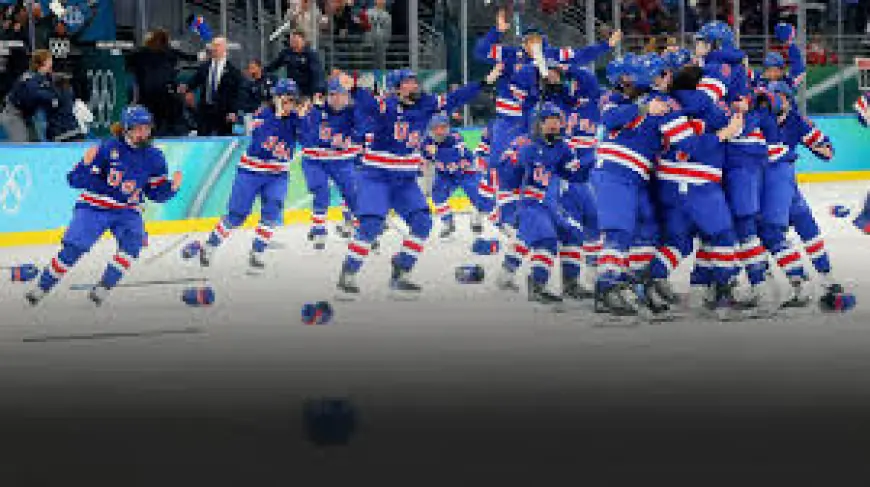
The United States won the women's Olympic hockey gold with an overtime victory sealed by megan keller, who scored the game-winning goal early in the extra period. The match ended a tense final in which the Americans recovered from a late deficit to force overtime and ultimately take the title.
Megan Keller's overtime winner: What happened and what's new
In the Gold Medal match on Feb. 19, 2026 at the Milano Santagiulia Ice Hockey Arena in Milan, the United States defeated Canada 2-1 in overtime. Canada opened the scoring shorthanded in the second period, ending the Americans' tournament shutout streak that had lasted three hours, 52 minutes and seven seconds. The U. S. killed a late Canadian power play in the third and then pulled its goaltender with roughly two minutes and thirty seconds remaining in regulation, a move that produced a tying goal when captain Hilary Knight deflected a wrister to force overtime.
Four minutes and seven seconds into overtime, Megan Keller executed a move that slipped the puck past the Canadian goaltender, delivering the decisive goal and the gold medal for the United States. After 60 minutes of regulation play, shots on goal were 29-28 in favor of Canada.
Behind the headline
Context: The final built on a defensive run by the U. S. that had produced more than three and a half hours of shutout play before Canada scored. The match shifted late when the Americans chose to pull their goalie to chase an equalizer, and the decision paid off when the team’s captain created the tying goal. The extra period required a breakout play, and that came when Megan Keller converted in overtime to end the game.
Incentives and constraints: With the gold medal on the line, the U. S. faced the strategic constraint common to late ties—whether to play conservatively or risk pulling the goaltender. The choice to pull the goalie was a high-leverage move that created the opportunity for a tying goal. In overtime, teams often seek a swift, decisive play; the scoring outcome turned on one such play executed by Keller.
Stakeholders: The immediate winners are the U. S. roster members who earned the gold medal and the coaching staff whose late-game decisions created the circumstances for a comeback. Canada, as the runner-up, leaves with a narrow loss despite outshooting the U. S. by a single shot in regulation. Tournament organizers and fans were stakeholders in a match that concluded with a single-goal margin and an overtime finish.
What we still don’t know
- Full postgame reactions and statements from players and coaches are not yet included in this account.
- Details on individual ice time, line matchups, and coaching adjustments leading up to the overtime goal remain to be disclosed.
- Information about awards beyond the gold medal—such as tournament MVP or best-player honors—is not provided here.
- Any roster or program implications for future competitions have not been announced.
What happens next
- Postgame statements and interviews: Team leadership and players will likely deliver remarks that clarify immediate reactions and credit for critical plays; those comments will shape the narrative in coming hours.
- Medal ceremonies and official record updates: The Olympic organizers will complete medal formalities and update official statistics tied to the match result.
- Tournament honors: Organizers may name individual tournament awards; announcements will indicate which players receive additional recognition beyond the team title.
- Program follow-up: Both national programs may review game film to assess late-game decisions and plan adjustments for future international play.
Why it matters
The overtime victory secured the highest prize in Olympic hockey and concluded the tournament with a dramatic finish. For the United States, the result underscores the impact of late-game strategic choices and individual execution in high-stakes settings. For Canada, the narrow loss illustrates how a single overtime play can determine a tournament outcome despite near-equal play through regulation. In the near term, the match will shape narratives around late-game decision-making, player legacies from the tournament, and the immediate careers and recognition of those directly involved.
Notable confirmed details in this account include the final score, the timing and circumstances of the tying goal, the precise overtime scoring time, the end of a lengthy U. S. shutout streak, the shots on goal total at the end of regulation, and the location and date of the match.