

























Tornado Warning: Chance of Severe Storms and Tornadoes Rising as Some Sites Show Access Problems

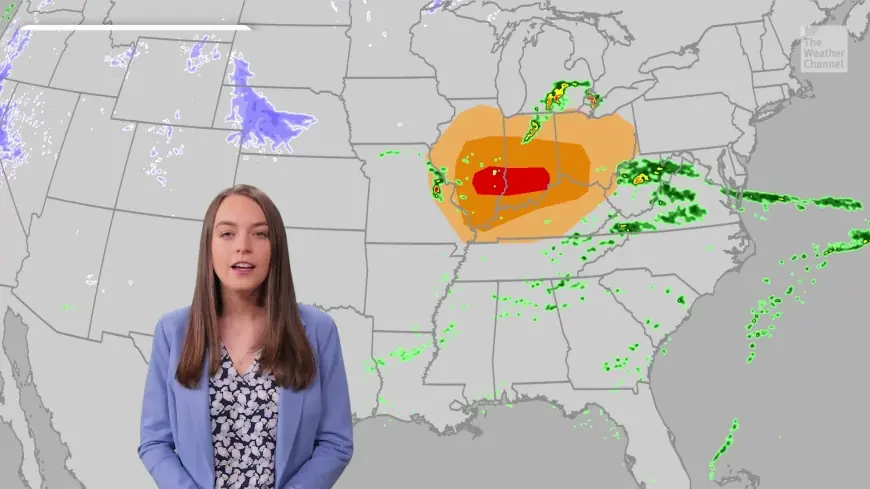
An update indicates the chance of severe storms and tornadoes is rising, placing attention on any tornado warning that could be issued as conditions develop. At least two web destinations returned access messages or were unavailable to some users, which may affect how quickly people can get updates.
Tornado Warning: What happened and what’s new
Confirmed items from the available updates:
- An update stated that the chance of severe storms and tornadoes is rising.
- One website displayed a message saying the site is unavailable in the visitor's location and indicated access could not be granted because the attempt appeared to originate from outside the United States.
- Another website returned a short notice indicating the site was not available.
Those are the explicit developments present in the available material: a rise in the assessed risk of severe storms and tornadoes, alongside limited access to at least two web pages intended to convey information.
Behind the headline
Context: the central update is that the assessed likelihood of severe storms and tornadoes has increased. That development elevates the importance of any tornado warning that may be issued and places a premium on timely distribution of guidance and protective actions.
Incentives and constraints: the immediate incentive is to get accurate, timely information to people in affected areas; constraints include technical or geographic access limits that have already prevented some users from reaching certain sites. Operators of online information channels face the constraint of delivering content to varied audiences under time pressure.
Stakeholders: people seeking weather and safety information, operators of affected websites, and any organizations responsible for issuing official warnings are the primary parties implicated by these developments. Availability of online content is a practical lever for those communicating risk.
What we still don’t know
- Whether an official tornado warning has been issued (unconfirmed).
- The specific geographic areas subject to elevated tornado risk (unconfirmed).
- The timing and duration of the increased chance of severe storms and tornadoes (unconfirmed).
- The cause and scope of the website access messages and outages—whether they are intentional geographic restrictions, technical failures, or other issues (unconfirmed).
- Whether additional communication channels are being used or will be used to reach affected audiences (unconfirmed).
What happens next
- Escalation scenario: Further updates could formalize the elevated risk and lead to an official tornado warning; the trigger would be confirmation of tornado-producing conditions in an affected area.
- Communication fallback scenario: If access to some websites remains limited, alternate channels such as local broadcast, mobile alerts, or other online platforms may be relied on to share warnings and safety guidance; the trigger would be continued site unavailability.
- Technical restoration scenario: Operators could restore access or remove geographic restrictions, improving information flow; the trigger would be remediation of whatever caused the access messages.
- Information fragmentation scenario: Partial outages could create uneven information availability, leaving some audiences without timely updates; the trigger would be persistent, unresolved access problems paired with rapidly evolving weather conditions.
Why it matters
Practical impact: a rising chance of severe storms and tornadoes increases the importance of swift, clear warnings. A tornado warning is the most immediate actionable alert for people in harm's way; delays or gaps in access to that alert can reduce preparedness time and complicate protective actions.
Near-term implications: ensuring redundant communication paths and restoring any inaccessible information channels will be key for effective public safety messaging. Observers and operators should monitor for official notices and for changes in site availability that affect the flow of updates.