

























Where My Refund Delays Hit Hardest: Which Taxpayers Feel the Pinch as Filings Fall and Average Refunds Rise

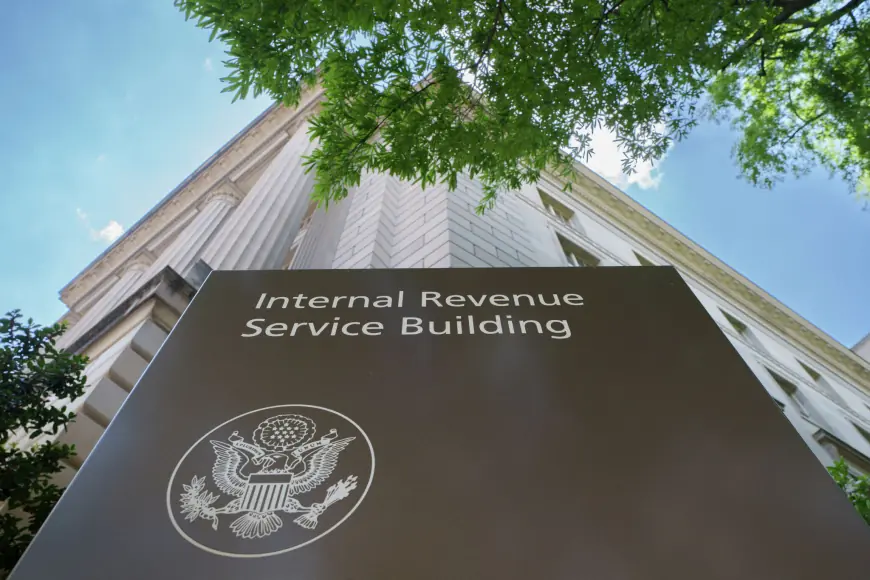
The immediate impact of this filing season is uneven: fewer people are filing early, but the refunds that do move are, on average, larger. Where My Refund questions are front of mind for taxpayers who rely on timely direct deposits or state checks to pay bills or make purchases. If you normally plan around a refund, this season’s mix of slower filing volume and higher average refunds changes who feels stress first and how they should prepare.
Where My Refund: who notices the change first and why
Here’s the part that matters: lower filing volume plus bigger average refunds shifts pressure onto timing and verification. Early filers who depend on electronic direct deposit remain best positioned for quick access — most refunds are issued in less than three weeks — but other taxpayers face longer waits when their returns require extra review or when they file on paper.
Electronic filing with direct deposit is still the fastest route. Paper returns and mailed checks take significantly longer, and some returns will need additional review that delays processing. The federal deadline is April 15, 2026, with an automatic two-month filing extension to June 15 for taxpayers living outside the U. S. and Puerto Rico. Electronic returns must be submitted by 11: 59 p. m. local time on the deadline; paper returns must be properly addressed, postmarked and have sufficient postage.
- Federal processing began in late January; the IRS started accepting returns on Jan. 26.
- Through Feb. 6, 20. 6 million individual returns had been processed — down 12. 3% from the prior year.
- Refunds issued through that date were 7. 4 million — down 8. 1% from the prior year.
- The average refund reported was $2, 290, up 10. 9% from the prior year.
What’s easy to miss is that these headline numbers matter differently depending on whether you’re a filer expecting a large refund, someone owed a small one, or a Colorado taxpayer navigating state processes that can convert direct deposits to paper checks for identity verification.
Event details and tracking options without the fluff
Taxpayers can check their refund status with the IRS tool for tracking refunds; for state returns, state portals offer similar services and often require the same basic identity details. The tracking tools typically require a Social Security number or individual taxpayer ID, filing status and the exact refund amount claimed on the return. Updates are refreshed overnight, so checking once a day is usually sufficient.
Postal delivery times for paper checks vary: state guidance notes about seven to 10 business days after mailing, but delivery can take up to 30 days in some circumstances. For Colorado filers, the department provides a phone option for status checks but will require the same identity details and callers should expect potential hold times. If a state-issued paper check is lost or not received within 30 days of the issued date in the state portal, a reissue request may be available by phone.
President Donald Trump has said refunds this year could be larger due to tax changes enacted last year, and a policy center projected those changes could generate billions in retroactive tax relief with some portion distributed through refunds and some offsetting liabilities. There has been no official announcement or legislative approval of a new stimulus payment for 2026; for any new stimulus to reach taxpayers, a formal legislative process would be required and there is no guarantee Congress would approve it.
The real question now is how individual timelines play out: with fewer returns processed early but larger average refunds, verification steps and mailing choices will determine who gets money quickly and who waits.
- Key practical points: electronic filing + direct deposit is fastest; paper and mailed checks are slowest.
- If you file from outside the U. S. or Puerto Rico, your filing deadline is extended automatically to June 15.
- Tracking tools update overnight and require specific identity details — have them ready to avoid extra delays.
- State procedures can include identity verification that converts direct deposits to mailed checks; delays of up to 30 days for mailed checks are possible.
Timeline rewind: the IRS began processing returns on Jan. 26; processing figures cited were current through Feb. 6; and the federal filing deadline is April 15, 2026. During a prior shutdown that began in October 2025, the IRS operated with reduced staffing, which underscores how external events can affect processing speed if they recur.
It’s easy to overlook, but the balance between filing method, verification steps and whether a refund is large enough to trigger extra review will be the practical determinant of when funds actually land. If you’re wondering why this keeps coming up, remember that higher average refunds can mean more retroactive calculations and verification, which slows some returns even as others move quickly.
If you need to act now: gather your identity details, choose electronic filing with direct deposit where possible, and use the available tracking tools to monitor status. Recent updates indicate stimulus payments are not guaranteed and would require new legislation, so plan without assuming additional federal checks will arrive.