










Hawks Vs 76ers — Maxey Left Carrying Load as Philly’s Post–All-Star Slide Continues

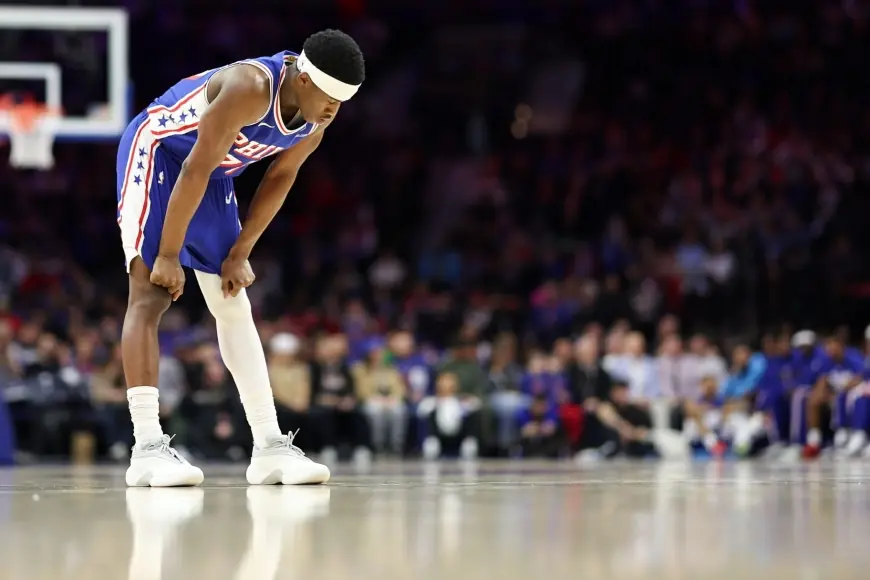
Why this matters now: In the hawks vs 76ers meeting that reopened play after the All-Star break, Philadelphia’s short rotation and the absence of its primary big left Tyrese Maxey overloaded and exposed. The result — a 117-107 defeat that extended a losing streak to three games — sharpens immediate questions about who can absorb the scoring and defensive burden while Joel Embiid and Paul George remain out.
Immediate impact on players and rotation
Tyrese Maxey again emerged as the primary option, finishing with 27 points, but the game exposed structural weaknesses: extended minutes for guards, limited floor spacing, and possessions where offensive execution stalled. VJ Edgecombe provided a notable support scoring surge with 20 points and nine rebounds, yet multiple starters were already walking a foul line that limited defensive options at critical moments.
Here’s the part that matters: with Embiid watching from the bench and George sidelined, the team repeatedly faced physical defensive looks and trapping coverages that slowed Maxey’s rhythm and forced others into uncomfortable roles. Trendon Watford was often the release valve off the ball; that plan allowed Atlanta to slide into favorable matchups and contest easier perimeter opportunities that were sometimes left unused. What this means for lineup decisions is immediate — coaches must choose between preserving Maxey’s efficiency or widening his support at the risk of lineup cohesion.
Hawks Vs 76ers: game snapshot and key details
Scoreline and top box-score items: Hawks 117, Sixers 107. Tyrese Maxey — 27 points. VJ Edgecombe — 20 points, nine rebounds. Maxey struggled inside the arc early, going 2-for-8 on two-point attempts at halftime and visibly missing several close finishes before finding more flow in the third quarter. Philadelphia’s half featured multiple players already in foul trouble at intermission — Edgecombe, Quentin Grimes, Adem Bona, Jabari Walker, and Kelly Oubre — which constrained defensive rotations and late-game options.
The Hawks, identified in coverage as a 26-30 club, used active perimeter defenders to bother ball handlers while lacking consistent rim protection — a dynamic that mattered when Maxey could penetrate but not finish comfortably. A highlighted third-quarter moment involved an off-ball cut and a lefty finish after a pass from Andre Drummond, but the late push fell short.
It’s easy to overlook, but Philadelphia’s roster moves that left them with fewer reliable shooters on the wing were cited as a recurring problem; the deadline decision to move McCain removed a consistent floor spacer who might have altered late rotations. That absence contributed to possessions where the correct play was made but the team failed to capitalize.
- Game: Hawks 117 — Sixers 107 (first game after All-Star break).
- Leading scorers: Maxey, Edgecombe (20, 9 RB).
- Key constraints: Embiid on bench; Paul George unavailable; multiple players in first-half foul trouble.
The real question now is how the team balances protecting its lead guard while creating credible secondary scoring options for the long stretch of the season remaining.
- Maxey’s inside-the-arc effectiveness will determine whether late rotations close games more cleanly.
- Lineup spacing — specifically the availability of consistent shooters — is affecting shot selection and defensive attention.
- Foul trouble early in games is shrinking defensive flexibility and forcing strategic concessions.
- Playing small gave an offensive burst late, but it arrived after Atlanta had built separation; timing of those adjustments matters.
Micro timeline: Feb 19, 2026 — Hawks beat Sixers 117-107 in the Sixers’ first game back from the All-Star break; this marked Philadelphia’s third straight loss. Earlier in the night the team showed improved effort compared with pre-break defeats but could not sustain it across four quarters. The bigger signal here is the compounding effect of injuries and roster choices on in-game adaptability.
What’s easy to miss is how single-game rotations and a handful of early fouls can cascade into strategic limits for an entire night; this game was a clear instance. If you’re wondering why the narrative centers on Maxey, it’s because he’s repeatedly carried the load and now needs more consistent relief to change the trend.