





















Questions Swirl as Adeliia Petrosian Makes Olympic Debut Amid Ties to Past Doping Scandal

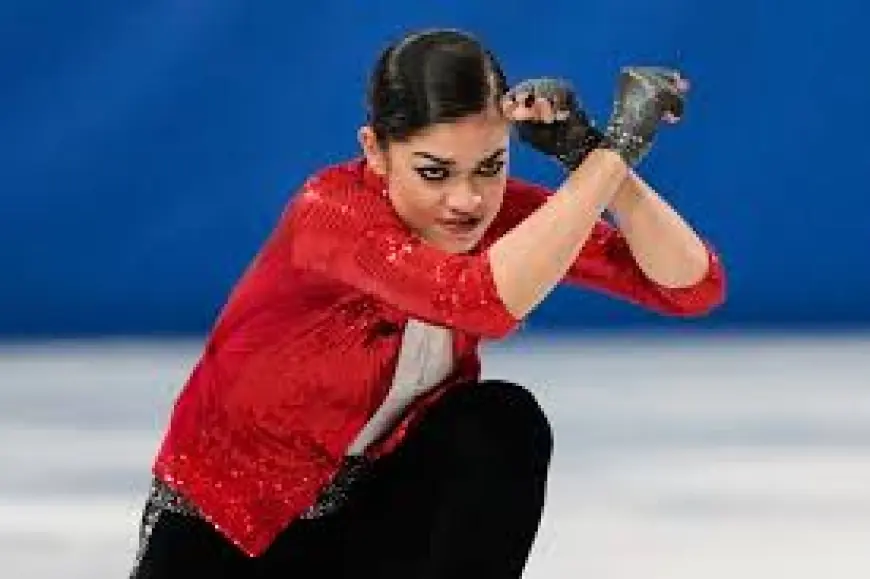
Adeliia Petrosian entered the Olympic arena this week as an 18-year-old contender whose rapid rise and training background have renewed attention on a high-profile doping controversy that unsettled the sport at the previous Winter Games. The Russian skater practiced publicly in Milan in advance of the women’s competition, presenting a polished on-ice display even as scrutiny follows the group that prepared her.
What happened and what’s new
In the days before the women’s short program began, the 18-year-old skater ran through practice at the official rink in Milan and was observed completing a series of difficult jumps. She has won her national championship multiple times and has included quadruple jumps in her repertoire. She skated with the same coaches and choreographer who worked with a teenager at the center of the previous Games’ doping controversy.
Petrosian is competing at these Games as a neutral athlete rather than under her country’s flag. This appearance represents one of her first senior-level events outside her home country since international bans limited participation. Observers noted her compact stature on the ice and the attention from photographers and media during her initial practice sessions. She has not been linked to any positive test or formal wrongdoing in public records available about this event.
Behind the headline — Adeliia Petrosian
Context: Petrosian arrives at the Games with a medal-contender profile built from domestic results and technically difficult elements. Her immediate training circle includes people who have produced recent Olympic champions, and she trained alongside a skater whose failed drug test at the prior Winter Games led to major consequences for the team medal and a lengthy ban for that athlete.
Incentives and constraints: For Petrosian and her coaching team, the incentive is clear—translate national dominance and technical difficulty into success on the Olympic stage. For governing bodies and event organizers, the constraint is managing the optics and integrity of competition given the sport’s recent scandal. Petrosian’s status as a neutral athlete indicates an attempt to balance individual participation with broader sanctions on national representation.
Stakeholders and leverage:
- Petrosian and her coaching team: stand to gain Olympic recognition and titles; they hold control over training and program choices.
- Competition organizers and anti-doping authorities: carry responsibility for enforcing testing and adjudication rules; they have limited direct control over a single athlete’s immediate competitive readiness.
- Fellow competitors and national delegations: face reputational and competitive impacts depending on outcomes and any subsequent findings.
What we still don’t know
- Whether any formal or ongoing investigative findings directly involve Petrosian beyond her shared training environment.
- Details on the extent of medical or supplement regimens administered within her training group in the years before these Games.
- How Petrosian’s performances across the Olympic competition will compare with her domestic results and technical ambitions.
- Whether broader disciplinary or policy actions will follow should new evidence emerge during or after the Games.
What happens next and why it matters
Scenarios:
- Strong Olympic showing: Petrosian achieves a podium result, reinforcing her status as a top competitor while renewing debate over the legacy of the prior doping case and its effect on perceptions of fairness.
- Neutral performance: She places respectably without a medal, allowing focus to shift back to a wider field of competitors and technical trends in the sport.
- Post-competition scrutiny: New information or formal inquiries could surface related to the training environment, triggering further review of past practices and possible sanctions.
- Policy response: Governing bodies may use outcomes and any new findings to adjust testing, eligibility, or the treatment of athletes from suspended national programs.
Why this matters: The case touches on credibility and competitive integrity in elite figure skating. For athletes, judges and fans, the outcome of Petrosian’s Olympic appearance will influence trust in the field and shape conversations about how to reconcile individual opportunity with accountability for systemic failures. Near-term effects include heightened media attention on performances, potential pressure on anti-doping oversight, and reputational stakes for those connected to the earlier scandal.
Near-term watchers should monitor Petrosian’s short program and free skate results, any statements or filings from relevant adjudicatory bodies, and whether competition-day testing or post-event disclosures produce further developments.