




















Usa Hockey Overtime Breakthrough Recasts Pressure on Players, Fans and Slovakia

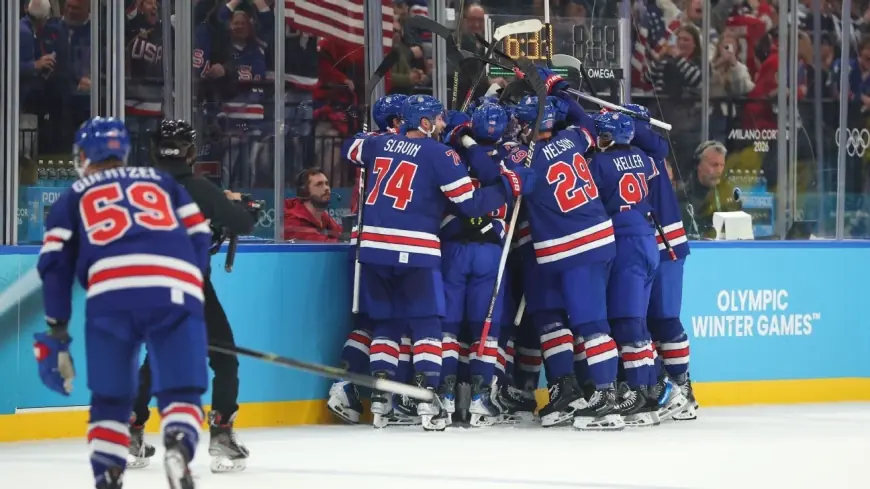
The overtime winner that ended the quarterfinal left more than a scoreboard change: it redirected expectations, recovery and tactical priorities for usa hockey heading into the semifinal. Players and supporters now carry momentum — and new pressure — while the U. S. must quickly address late-game lapses exposed by Sweden's late tying goal before facing Slovakia on Friday.
Usa Hockey feels the ripple: who is most affected and how
Here’s the part that matters: the immediate impact lands first on the roster and coaching staff. The team advances but did so after surrendering a tying goal with 91 seconds left in regulation, which shifted the complexion of the win from comfortable to taxing. That late collapse forces a short-term reset — coaching must shore up defensive focus in the final minutes, forwards must manage possession better in pressure situations, and the goaltender workload will factor into recovery plans.
Fans and the broader tournament narrative feel it next. What had been a controlled victory turned into an overtime cliffhanger, which raises intensity for the upcoming semifinal and alters public expectations about the U. S. team's consistency.
Game picture and immediate facts (embedded)
The quarterfinal in Milan ended 2-1 after overtime. Quinn Hughes scored the sudden-death goal that advanced the U. S. past Sweden; earlier, Sweden tied the game late in regulation when Mika Zibanejad scored with 91 seconds remaining. The U. S. netminder stopped 28 of 29 shots. The next opponent is Slovakia in a semifinal scheduled for Friday.
- Final score: U. S. 2, Sweden 1 (overtime)
- Late regulation: tying goal by Mika Zibanejad with roughly 1: 31 left
- Overtime winner: Quinn Hughes
- Goaltending: 28 saves on 29 shots
- Next match: semifinal vs. Slovakia on Friday (schedule subject to change)
Commentators and analysts have flagged clean-up items for the team ahead of the semifinal, stressing that eliminating late-game breakdowns will be essential to converting this momentum into another win.
Q: What immediate adjustments matter most?
A: Tightening defensive coverage in the final two minutes of regulation and improving possession in transition to avoid sudden turnovers that invite high-quality scoring chances.
Q: How significant is the goaltending performance going forward?
A: The goaltender’s strong save total kept the team alive; maintaining that level and managing fatigue will be critical before the semifinal.
Q: Does this result increase pressure on the U. S. roster?
A: Yes — advancing by a single overtime goal raises expectations internally and externally that the team must be sharper under late-game stress.
It’s easy to overlook, but the short turnaround between knockout games means recovery protocols and lineup choices could be as decisive as tactical tweaks.
The real question now is how the coaching staff balances rest and preparation. With Slovakia up next, the U. S. will face a team described as rolling and competitive — meaning this semifinal will demand both tactical discipline and mental freshness. If usa hockey can erase the late regulation vulnerabilities shown against Sweden, the overtime win will serve not just as relief but as a platform for a deeper run.
Final note: the sequence in Milan — late tying goal, a tense overtime, and an extra-time winner — compresses lessons into a tight window. Teams that learn to close games consistently gain outsized advantages in short tournaments; the coming days will reveal whether this victory becomes a turning point or simply a narrow escape.