



















Olympic Medal Count: Why Norway’s Youth Sports Model Shapes the 2026 Standings

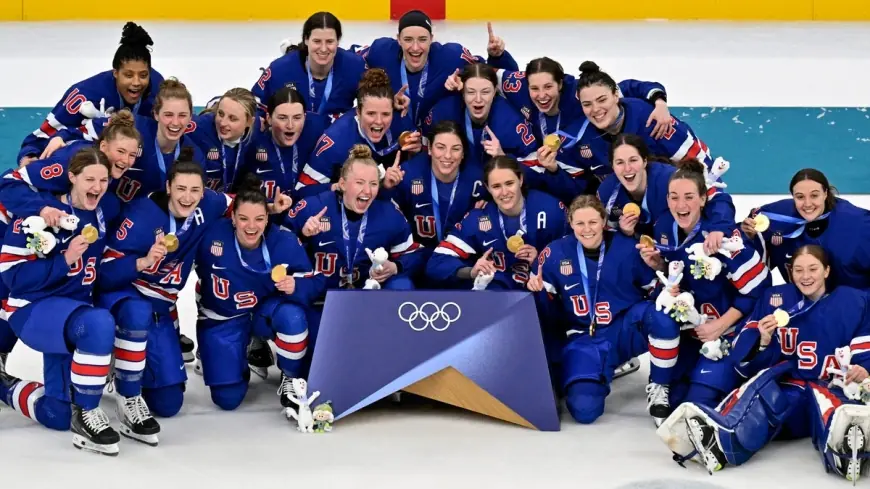
The conversation about the olympic medal count matters now because standings are being refreshed mid-Games and Norway’s long-term youth approach helps explain its recurring advantage. With the official tallies updated on the morning of Feb. 19 and competition still underway, patterns that developed over decades — not last-minute training tweaks — are resurfacing in how nations populate the podium.
Olympic Medal Count: How sustained youth participation created a Winter Games engine
Norway’s dominance is tied to a deliberate youth sports philosophy spelled out in recent analysis: no scorekeeping until age 13, participation trophies for everyone, no travel teams, no early specialization, no national championships for children, no online rankings, and an annual cost for youth sports that typically doesn’t exceed $1, 000 per child. That model coincides with a very high participation rate — 93% among youth — roughly 40 percentage points higher than the comparison cited for the United States. The nation of about 5. 6 million people has translated those policies into results at the Winter Games, leading the all-time Winter Olympics medal count with over 400 medals and appearing on pace to top the medal table for a third consecutive Winter Olympics (2018, 2022, 2026).
What’s easy to miss is how procedural choices in childhood sport — when to keep score, whether to encourage specialization — compound over years into depth on the senior international stage. If you're wondering why this keeps coming up, the link between very high youth participation and repeated Olympic success is the clearest narrative available in the current coverage.
Event snapshot and the on-the-ground tally on Feb. 19
As the Winter Games continue, a few concrete facts frame the immediate medal picture: athletes from more than 90 countries are competing across 116 events staged over a 16-day schedule, and media teams on the ground in Italy have been keeping an updated count of every podium finish. The most recent public tally was noted as accurate on the morning of Thursday, Feb. 19, 2026, at 5: 00 p. m. ET. Those running totals are the reference point for observers tracking which nations are moving up or down the table as events conclude.
- Scope: 116 medal events across 16 days
- Participation breadth: athletes from more than 90 countries
- Latest tally timestamp: morning of Feb. 19, 2026, 5: 00 p. m. ET
Teams and national programs feel the practical consequences of these tallies: selection policies, funding discussions, and public narratives shift when a country is seen rising or falling on the medal board. Athletes themselves pressure-test those systems in real time during the Games.
The bigger signal here is the repeatability of Norway’s approach: the results on the medal table are not an isolated spike but part of a pattern stretching across multiple editions of the Winter Games.
Micro timeline (selection of verified touchpoints):
- 2018 — Norway finished atop the Winter Games medal table in that edition.
- 2022 — Norway again led the medal table.
- 2026 — Norway is on pace to top the medal table for a third consecutive Winter Olympics.
Short practical implications for stakeholders include adjustments to youth participation strategies, talent pipelines and how federations present development costs to families. Young athletes, national programs, coaches and parents are the groups who will feel the immediate ripple effects as federations interpret the medal returns from these Games.
Editor’s aside: It’s easy to overlook, but the structural, low-cost features of Norway’s youth system are as relevant as elite training centers when reading medal lists — repeated results suggest institutional design matters as much as individual talent.
As the Games move forward and more events conclude, the olympic medal count will keep updating on that Feb. 19 baseline. Recent updates indicate standings may shift as late events wrap, and details may evolve as remaining competitions finish.