

























Audi Rs5 Avant: 639hp plug-in V6 hybrid with world-first electro-mechanical torque vectoring

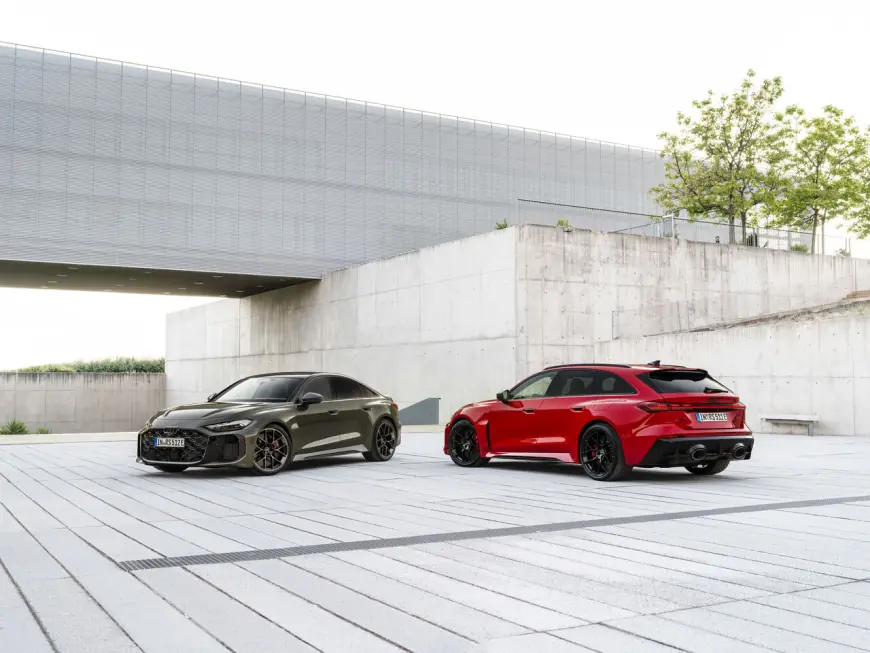
The new audi rs5 avant debuts as Audi Sport’s first high-performance plug-in hybrid, combining a 2. 9-liter twin-turbo V6 with a potent electric motor and a rethought quattro drivetrain. The package promises both everyday electric driving and peak sport performance, and introduces an electro-mechanical torque vectoring system Audi calls Dynamic Torque Control.
Audi Rs5 Avant: powertrain, outputs and hybrid hardware
The RS5 pairs an improved 2. 9-liter twin-turbo V6 with an electric motor; the combustion unit is quoted at 375 kW (510 PS) in one description and the electric motor is listed at 130 kW in engineering detail. Elsewhere the combined system output is presented as 639 hp, with peak torque described in one account as 624 lb ft. Acceleration and battery figures published alongside the launch include a 0-62 mph time of 3. 6 seconds and a usable battery capacity listed at 22 kW, yielding up to 54 miles of electric-only driving in one configuration and a claimed reduction in fuel use under high loads when the hybrid system is engaged.
The hybrid architecture integrates the electric motor into a hybridized eight-speed automatic gearbox and locates the battery beneath the boot. The electric motor is described both in kilowatts and in horsepower terms (130 kW and 177 hp listed in separate technical notes), reflecting the multiple ways the powertrain has been presented in early technical summaries.
Audi Rs5 Avant: chassis, torque vectoring and packaging trade-offs
Audi Sport has reworked the RS5’s chassis for the hybrid era. A new rear transaxle houses an electro-mechanical torque vectoring differential that can shift torque between the rear wheels in milliseconds. A control unit recalculates optimal torque distribution every 5 milliseconds — a frequency described as 200 Hz — and an upgraded center differential features a preload so it remains partially locked to manage longitudinal torque distribution. The result is pitched as exceptionally agile and composed driving dynamics across a broad performance envelope.
Physically the RS5 is significantly broader than the base A5: one technical summary cites roughly nine centimeters of additional width at both ends; another notes wheel-arch extensions of 40 mm per side. That wider stance is paired with pronounced aerodynamic elements, a deep rear diffuser and matte oval tailpipes. The hybrid hardware adds considerable mass: quoted curb weights for saloon and Avant configurations are 2. 35 and 2. 37 tonnes respectively, figures that reflect the packaging cost of the plug-in system and battery placement beneath the luggage floor.
What this means for buyers and the segment
The Audi Rs5 Avant’s combination of a high-output V6 and a substantial electric drive represents a clear pivot for Audi Sport toward modular electrified RS models. The specification mix — high combined output, an eight-speed hybridized gearbox, a rear transaxle with electro-mechanical torque vectoring and a battery enabling tens of miles of all-electric driving — is positioned to deliver both daily usability and strong straight-line and cornering performance.
Potential buyers should note the trade-offs in packaging and mass: the battery sits below the boot, adding weight and reducing simplicity of loadspace packaging, and the quoted curb weights are substantially higher than the previous non-hybrid generation. At the same time, the plug-in hardware brings claimed reductions in fuel use under load and a meaningful electric-only range for urban and commuting use.
Details such as final trim-dependent performance figures, pricing, and regional specifications were outlined in initial technical briefings and may be refined as customer order banks open. Recent updates indicate core technical characteristics as described here; some specifics may evolve as final production configurations are confirmed.