














New Movie Wuthering Heights Rekindles the Cathy–Heathcliff Argument

The new movie Wuthering Heights, reimagined by Emerald Fennell and led by Jacob Elordi and Margot Robbie, has reopened a long-running debate over whether Emily Brontë’s story is a romance or something darker; the adaptation’s lurid set pieces and a prominent companion album have become focal points for that argument.
New Movie leans into erotic excess
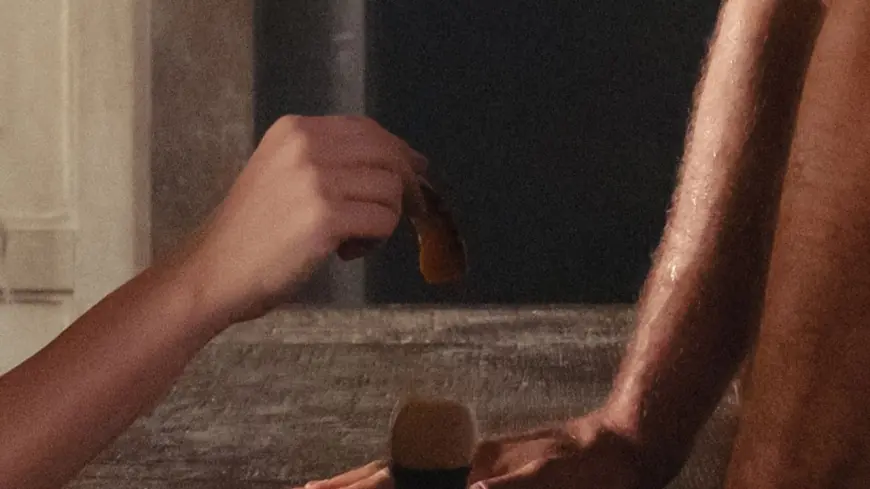
Fennell’s adaptation frames the Earnshaw–Heathcliff relationship as a big-budget bodice ripper, casting Jacob Elordi as a lascivious, brutish Heathcliff and Margot Robbie as an improbably blonde, manifestly too-old Cathy Earnshaw. The film deploys strikingly literal shocks — public hanging, dollhouse murder, puppy play and large quantities of tactile goop — to translate the book’s unspeakable elements to screen. Critics have called the result both overlong and overwrought, and some viewers have labeled the staging erotic or sensationalist rather than faithful to the novel’s tone.
From Olivier to Elordi
Adaptations of Wuthering Heights have shifted dramatically since Emily Brontë published the novel in 1847. One early screen version cast Laurence Olivier and Merle Oberon in a polished 1939 production in which Olivier’s Heathcliff used a silent, piercing stare and Oberon’s Cathy declared with rain drumming on the windows, “I am Heathcliff!” A later live-television take put a more tempestuous Heathcliff on screen: Richard Burton’s portrayal boiled over with cynicism and outsize passion, and one scene includes Cathy exclaiming, “You just want to lay hands on me all the time!” These six cited versions span the past 85 years, underscoring how much filmmakers have altered tone, class emphasis and the characters’ temperaments.
Charli XCX’s soundtrack emerges as a major artifact
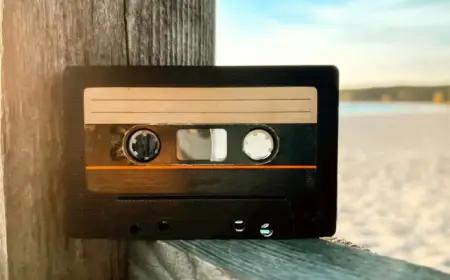
What some observers call the adaptation’s best element is its music: after being approached to write a single song, Charli XCX and producer Finn Keane expanded the assignment into a full companion album. The record is described as vivid and fragmentary, thematically focused on attraction, devotion and absence. John Cale contributes to the opening piece, “House, ” offering spoken-word lines that lead into Charli’s shriek-intoned chorus, “I think I’m gonna die in this house. ” Another track, “Funny Mouth, ” features mournful strings and industrial churn that listeners have compared to other intense, full-bodied works of pop and art-song production.
The soundtrack pairs lush string arrangements with moments of brutal physicality, following a stated aesthetic goal to sound “elegant and brutal. ” Producer Finn Keane and Charli set that tone through cello and percussion choices that push some tracks toward a raw, almost classical intensity, while retaining pop sensibilities tied to Charli’s recent work.
Across the film and its music, the portrayal of Cathy and Heathcliff has provoked fresh argument about the characters’ power dynamics and whether modern adaptations fetishize destructive romance. The new movie sits alongside a companion album that foregrounds those same themes in sonic form, making the soundtrack a central element of how audiences will judge this version of the story.
For viewers who follow Wuthering Heights on screen, this adaptation adds to the century-plus conversation that began with the novel in 1847; the adaptation and its Charli XCX soundtrack are the latest confirmed additions to that ongoing lineage.