














Alyssa Liu’s Piercing and New Terms Fuel Her Olympic Comeback as Choreographer Shapes the Return

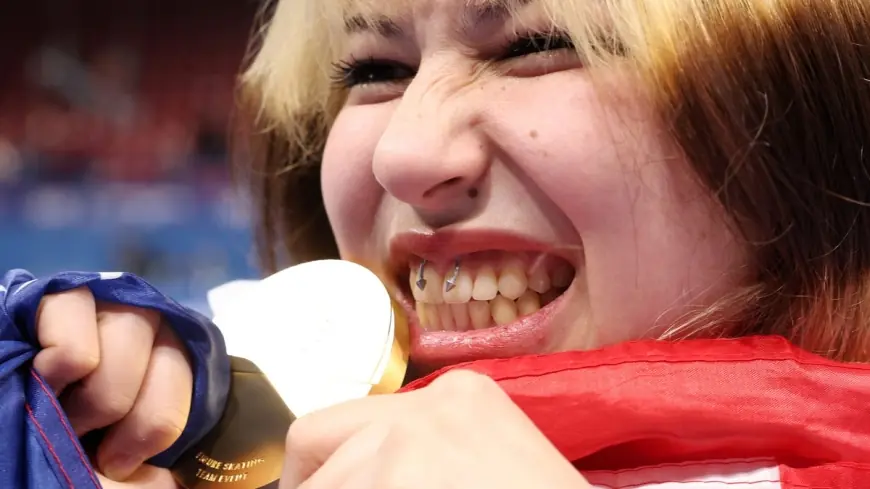
Alyssa Liu has framed her second run at elite competition on her own terms, and that personal code is as visible in her wardrobe and music choices as it is in the bright smile punctuated by a distinctive frenulum piercing. After the short program left her in third place, the free skate is scheduled for Thursday night ET, and her creative control is integral to how she approaches the moment.
Alyssa Liu’s terms, and a choreographer who insists on projection
Her comeback is not a quiet return. She set clear conditions for skating again: she will wear what she wants, dance to the music she wants, eat what she wants and take breaks when she wants. That framework is more than a set of preferences — it’s the organizing principle of this phase of her career.
Massimo Scali, her longtime choreographer, has leaned into those terms and made them the backbone of their work together. He responded enthusiastically to the small, defiant details that help her stand out; one such detail even inspired him personally. Scali’s emphasis is on projecting the skater as a person, turning the ice into a canvas where Liu’s tastes and history are visible rather than muted. His approach champions autonomy in a sport often driven by strict regimens and external expectations.
The stakes are clear: if she converts her position after the short program into a podium finish, it will underscore the narrative of a prodigy returning under her own rules and expressing the identity she kept private during earlier, more regimented years in the sport.
The 'smiley' piercing: DIY style, visible impact, and safety concerns
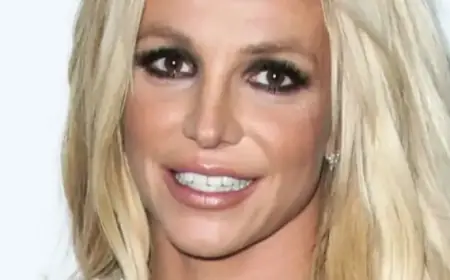
The most talked-about accessory is a prominent frenulum piercing — commonly called a 'smiley' piercing — that adorns the thin band of tissue connecting the upper lip to the gums. Hers is a silver curved hook with arrow tips that sit against her front two teeth, a piece that draws extra attention because of how much she smiles on the ice.
She pierced it herself, with a family member helping steady her lip and a needle used to complete the job. The DIY origin of the piercing feeds into the broader portrait of a skater who wants to control every aspect of her presentation, down to the smallest detail.
At the same time, coverage of the trend has flagged serious health risks associated with frenulum piercings. Those health concerns sit in tension with the aesthetic statement: a visible, small piece of jewelry can be a powerful expression of personality, but some observers warn the trend may carry medical downsides.
Style choices, team success and the short program position
Beyond the piercing, Liu’s hair and costume choices are part of a deliberate visual narrative. One recurring element is a halo design in her hair that she likens to the rings of a tree, a motif she has added to each season as a personal signature. Those choices have accompanied competitive success; she was a member of the squad that won gold in the team event, and she now sits tightly bunched near the top after the short program.
Scali’s collaborative but exacting style aims to translate those style markers into clear choreographic statements on the ice. He balances organization and creativity, using composition and movement to make sure the skater’s individuality reads for judges and audiences alike. For Liu, that partnership is central: the choreography is meant to serve as an authentic projection of who she says she is now, rather than an imposition of what the sport once required of her.
With the free skate scheduled for Thursday night ET, the focus will be on whether the combination of artistic autonomy, visible style choices and Scali’s theatrical projection can convert her third-place standing into a medal-winning performance. Whatever the outcome, this chapter is defined less by a return to old expectations and more by a deliberate, highly personal mode of competition.