



















Peter Greene Cause of Death Confirmed as Accidental Gunshot Wound, Ending Months of Uncertainty After Actor Was Found Dead in New York

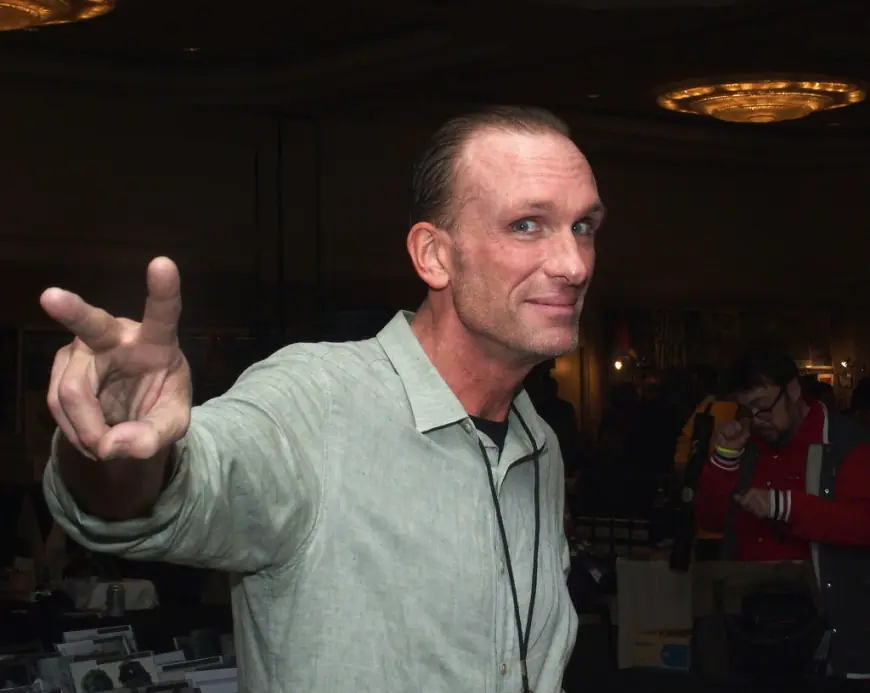
The cause of death for actor Peter Greene has been officially determined: he died from an accidental gunshot wound. The ruling follows weeks of public uncertainty after Greene was found dead in his New York City apartment in mid-December 2025, prompting a wave of speculation that intensified precisely because early details were limited.
The medical determination, released on Wednesday, February 18, 2026, identifies the fatal injury as a gunshot wound to the left axilla, commonly described as the left armpit, with damage to the brachial artery, a major blood vessel that supplies the arm. The manner of death was classified as an accident.
What happened and what the medical finding means
Greene, 60, was discovered in his apartment on Friday, December 12, 2025, after a welfare check was requested. At the time, officials did not publicly disclose a cause of death, which is common while examinations and paperwork are completed.
This week’s finding answers the main question directly: Peter Greene died from an accidental gunshot wound. In this context, “accidental” is a formal classification that speaks to intent. It means investigators and medical reviewers did not find sufficient evidence to classify the death as homicide or suicide based on the information available to them.
It does not automatically explain how the weapon discharged, who handled it last, or what safety failures may have been involved. It simply identifies the mechanism of death and the official conclusion about intent.
Behind the headline: why the timing and wording matter
The gap between a death becoming public and a medical ruling being released often fuels rumor, especially when the person is recognizable and the death is sudden. In many cases, the process takes time because investigators may review the scene, interview relevant people, and complete medical and toxicology work before issuing a final determination.
The specificity of the injury also explains why the story is drawing renewed attention now. A wound to the axilla can cause rapid blood loss if a major artery is damaged, leaving little margin for delayed emergency response. That clinical reality can turn a single mishap into a fatal event.
Greene’s screen persona adds another layer. He was best known for playing intense, sometimes frightening characters in major 1990s films, including a memorable role in a landmark crime movie of that era and a villain role in a popular comic film. When an actor is strongly associated with menace on screen, audiences sometimes project that darkness onto real life, even when the facts do not support it.
Stakeholders and incentives: who is affected by the classification
This kind of ruling has stakes beyond curiosity.
Family and close friends have an obvious interest in accuracy and privacy. An accidental classification can reduce the stigma that often follows a suicide ruling, while still leaving painful questions about preventability.
Officials have an incentive to be precise. Firearm-related deaths can ignite community anger and political debate, and a high-profile case will be scrutinized for whether investigators were thorough, restrained, and fair.
Fans and the entertainment community have another stake: a final ruling can shift the public conversation away from guessing and toward remembering the person’s work, relationships, and career contributions.
What we still don’t know
Even with a confirmed cause and manner, several key details may remain unknown publicly:
-
How the firearm discharged, including whether it occurred during handling, cleaning, moving, or storage
-
Whether there were any mechanical issues or environmental factors involved
-
Whether anyone else was present earlier or had recent access to the space
-
Whether any additional investigative findings, such as timelines from phone data or interviews, clarified the circumstances
-
Whether any toxicology information was reviewed and, if so, whether it was considered relevant to the final classification
A medical ruling can close the official record while leaving gaps that are never fully answered in public, especially when there is no criminal case.
Second-order effects: why accidental firearm deaths ripple beyond one life
High-profile accidental shootings tend to renew attention on safe storage practices and the everyday risks of firearms in homes, especially in dense urban living spaces. They also highlight how quickly severe bleeding can become fatal, underscoring the importance of rapid emergency response and basic bleeding-control awareness.
In the film world, the impact can be both commercial and cultural. There is often a spike in interest in a late actor’s catalog, which can lead to re-releases, renewed streaming demand, and fresh appreciation of under-discussed performances. The downside is that tragedy can eclipse craft, turning a career into a footnote if the public conversation fixates on the manner of death rather than the work.
What happens next
With the cause of death confirmed as an accidental gunshot wound, there may be no further public legal steps unless new evidence emerges. The most likely next chapter is personal rather than procedural: memorials, family decisions, and colleagues reflecting on Greene’s legacy.
For the public, the key takeaway is clear and limited to what is verified: Peter Greene’s death has been ruled an accident caused by a gunshot wound to the left axilla that injured the brachial artery, with the determination released on February 18, 2026, Eastern Time. The unanswered questions now are less about labels and more about circumstances, safety, and the fragile line between routine handling and irreversible outcome.