























2026 Winter Olympics Women’s Single Skating Free Skating: Alysa Liu Delivers Gold-Sealing Skate as Medal Order Flips in Milan

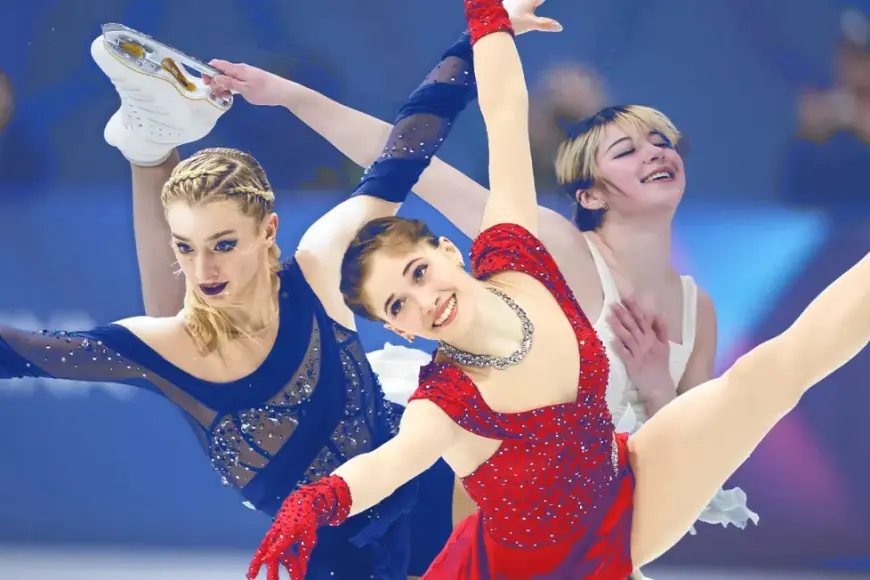
The women’s single skating free skating at the 2026 Winter Olympics delivered exactly what this event is built to produce: maximum pressure, rapid leaderboard swings, and a final verdict shaped by risk management as much as pure difficulty. Skating Thursday, February 19, 2026, Alysa Liu won the free skating segment and used it to secure Olympic gold overall, edging Japan’s Kaori Sakamoto in a two-skater duel that stayed tight all the way through the final group.
The free skating began at 1:00 PM ET and concluded late afternoon ET, with the final results posted shortly after the last skate.
What happened in the women’s free skating final
Liu produced the top free skating score of 150.20 points, combining the night’s strongest overall package of technical element score and components. Sakamoto was second in the free skating with 147.67, and Amber Glenn was third with 147.52, a surge that vaulted her up the standings after a short-program stumble.
Final free skating top five:
-
Alysa Liu, 150.20
-
Kaori Sakamoto, 147.67
-
Amber Glenn, 147.52
-
Mone Chiba, 143.88
-
Adeliia Petrosian, 141.64
Those placements mattered because the free skating is the heavier-weighted half of the competition. And on a night where margins were measured in single points, each popped jump, each under-rotation call, and each level on spins and step sequences quietly rewrote medal math.
Final medals decided by the free skating momentum
The free skating results reshuffled the podium from the short program, and the overall standings finished like this:
-
Gold: Alysa Liu, 226.79
-
Silver: Kaori Sakamoto, 224.90
-
Bronze: Ami Nakai, 219.16
The headline twist was Nakai’s path to bronze. She led after the short program, but placed ninth in the free skating and still held on for third overall. That outcome underlined a core truth of modern women’s skating: a great short program can build a cushion, but it rarely guarantees anything if the free skating turns volatile.
Behind the headline: why this free skate was a strategic win, not just a technical one
This wasn’t simply a case of “who landed the most.” It was a case of who balanced difficulty, cleanliness, and program construction under Olympic-grade nerves.
Incentives were clear:
-
For Liu, the incentive was to skate a controlled, high-confidence plan that protected her lead potential in components while still keeping the base value competitive.
-
For Sakamoto, the incentive was to apply pressure by delivering her trademark steadiness and quality, forcing Liu to win the title rather than waiting for mistakes.
-
For the chasing pack, the incentive was to swing big, because conservative skating rarely climbs multiple places in a free skate.
Stakeholders also shaped the moment. Coaches and federations live in the tension between ambitious layouts that can win and safer plans that can medal. Judges are under scrutiny to reward both difficulty and skating quality without letting the event turn into a base-value arms race alone. Athletes, meanwhile, carry the physical costs of ramped-up difficulty in a quad-era ecosystem that rewards risk but punishes fatigue.
What we still don’t know from a single results sheet
Even with final scores posted, several key questions remain for analysts and fans:
-
Which specific calls proved decisive at the top: under-rotations, edge calls, or spin level losses
-
How much separation came from grade of execution versus program components in the top two
-
Whether any athletes were managing injuries or illness that impacted jump consistency
-
How the technical panel’s threshold on rotation and takeoff edges compared with earlier rounds this season
These details often determine whether an Olympic win looks dominant or merely survives.
Second-order effects: what this result changes going forward
Liu’s gold is more than a personal milestone. It strengthens the narrative of a shifting competitive balance in women’s skating, where deep Japanese depth is no longer assumed to convert automatically into gold when the free skate becomes a pressure cooker. It also raises the stakes for the next cycle: athletes and federations will study this event to see whether the winning formula was raw base value, superior quality, or the ability to hit a plan clean under the brightest lights.
For the sport itself, the medal spread reinforces a continuing debate: how to keep the judging incentives aligned so that artistry and skating skills remain meaningful even as technical demands climb. When the margins are this tight, small differences in quality can decide Olympic titles, which is precisely what the judging system is supposed to reward.
What happens next
In the immediate aftermath, expect three practical next steps:
-
Detailed protocol breakdowns to dominate coach and fan analysis, jump by jump
-
Federation-level decisions on whether to chase higher difficulty or prioritize consistency for the next season
-
A reshaped competitive hierarchy heading into the post-Olympic year, when many skaters adjust layouts, coaching teams, and long-term plans
The 2026 Winter Olympics women’s single skating free skating did what the free skate always does at its best: it turned preparation into proof, and it made the podium a test of decision-making under stress as much as talent.