


















Prince Andrew Arrested: Why Andrew Mountbatten-Windsor Was Taken Into Custody, What the Investigation Targets, and What Comes Next for King Charles

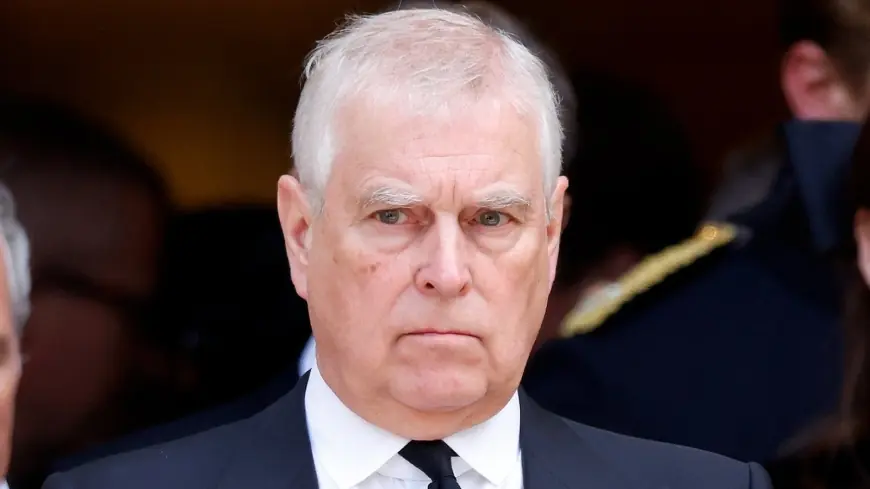
Prince Andrew, now commonly described as Andrew Mountbatten-Windsor after being stripped of public royal duties and key honors, was arrested on Thursday, February 19, 2026, on suspicion of misconduct in public office. He was questioned for much of the day and later released while the investigation continues, as police carried out searches linked to the case.
The arrest marks the sharpest legal escalation yet in a scandal that has dogged Andrew for years and repeatedly dragged the monarchy into reputational crisis management.
Was Prince Andrew arrested and has Andrew been arrested?
Yes. Andrew Mountbatten-Windsor was arrested in Norfolk on February 19, 2026, Eastern Time, and taken to a local police station for questioning. He was released later the same day under investigation, meaning he was not charged at the time of release and detectives are continuing to gather and test evidence.
An arrest is not a conviction. In UK practice, it signals investigators believe there are reasonable grounds to suspect an offense and want to interview the person under caution and secure evidence.
Why was Prince Andrew arrested?
Police are examining whether Andrew abused an official role by improperly handling sensitive government material. The focus is misconduct in public office, a serious allegation that centers on misuse of power, access, or privileged information.
The inquiry is closely tied to Andrew’s past association with Jeffrey Epstein and to material that has surfaced in recent disclosures about Epstein’s network. Investigators are looking at whether confidential information was shared or leveraged during the period when Andrew held public-facing responsibilities, including his years as a trade envoy.
This framing matters. It suggests authorities are not simply re-litigating old headlines about personal misconduct, but probing whether public office itself was used in a way that crossed legal lines.
Who is Prince Andrew, and why is he called “former Prince Andrew”?
Prince Andrew is the younger brother of King Charles and long held senior royal status, including prominent ceremonial roles. Over the past decade, he has been pushed steadily out of public life amid mounting scrutiny over his relationships and conduct. In the wake of sustained controversy, he lost military affiliations and was effectively removed from the roster of working royals, with his public profile and official privileges significantly curtailed.
That is why many people now search for terms like former Prince Andrew, Andrew Windsor, and Andrew Mountbatten-Windsor news: it reflects how far his position has fallen, and how the institution has tried to draw a line between him and the monarchy’s day-to-day work.
Where Virginia Giuffre fits into the Prince Andrew scandal
Virginia Giuffre, also known as Virginia Roberts Giuffre, accused Andrew of sexually abusing her when she was a teenager and said she was trafficked by Epstein. Andrew has repeatedly denied wrongdoing. A civil case ended in a settlement without a trial verdict, leaving no courtroom finding of fact on the underlying allegations.
Even if the current arrest is centered on misconduct in public office rather than a direct charge linked to Giuffre’s claims, her allegations are inseparable from the wider public understanding of the scandal. They accelerated Andrew’s isolation, intensified demands for accountability, and raised the stakes for any new investigative step involving him.
King Charles and the monarchy: behind the headline
King Charles responded by emphasizing cooperation with law enforcement and stressing that the legal process should proceed. The palace’s posture is a balancing act with two competing incentives.
First, the monarchy has an incentive to show it will not shield a family member from scrutiny, especially in a case that speaks to abuse of privilege. Second, it must avoid any appearance of interfering with police or prosecutors, which would deepen public distrust and risk political blowback.
Stakeholders extend far beyond the royal household. They include alleged survivors and their families, investigators whose credibility will be judged on rigor and restraint, political leaders attuned to public anger about elite impunity, and institutions that have previously interacted with Andrew in official capacities.
What we still don’t know
Several details will determine whether this becomes a short-lived shock or a long-running legal saga:
-
Whether prosecutors will authorize charges, and on what exact counts
-
What evidence was seized during searches connected to the investigation
-
Whether the inquiry expands to other people who may have facilitated access, introductions, or information flow
-
Whether Andrew faces any continuing restrictions, such as travel limits, while under investigation
-
How directly the suspected misconduct connects to his former official roles and contacts
What happens next: scenarios and triggers to watch
-
Released without charge, investigation continues
Trigger: detectives need time to complete digital forensics and corroborate timelines. -
Formal charge for misconduct in public office
Trigger: evidence supports a clear chain showing misuse of official access or disclosure of protected information. -
Case broadens to additional allegations or additional figures
Trigger: witness statements or recovered communications indicate wider participation or facilitation. -
Accelerated institutional distancing by the royal household
Trigger: prolonged legal uncertainty creates sustained reputational risk for the monarchy. -
Court hearings force a clearer public narrative
Trigger: a charge leads to early hearings where claims and evidence begin to be tested.
Why it matters
This is not just another Prince Andrew news spike. It is a test of whether status insulates anyone from the law, and whether institutions built on tradition can maintain legitimacy when scandal becomes procedural and legal rather than merely tabloid.
For now, the verified headline is narrow: Andrew Mountbatten-Windsor was arrested on February 19, 2026, questioned, and released under investigation. The decisive next milestone will be whether investigators move from suspicion to charge, and what the evidence says about how power and access were used behind closed doors.