







Trump called 'drunk uncle' on cnn panel after complimenting Nicki Minaj's 'beautiful skin'

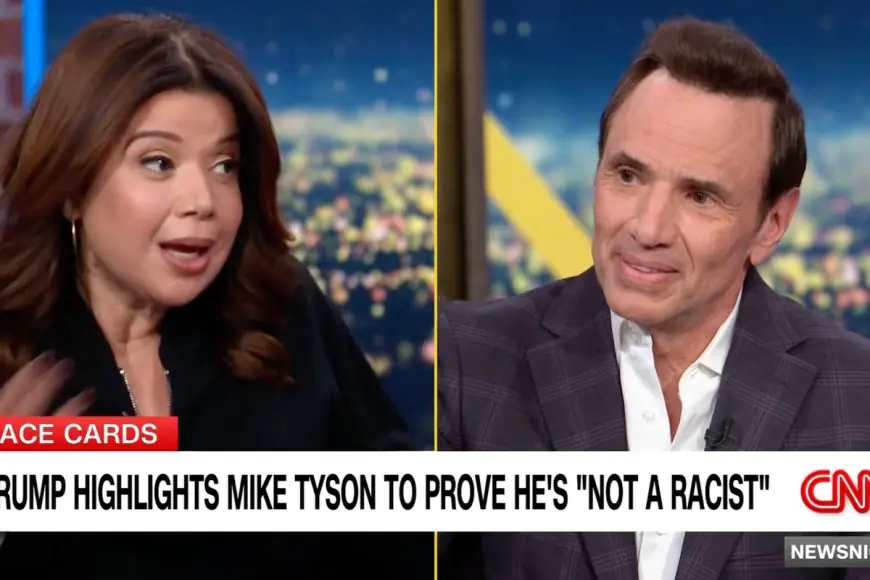
President Donald Trump's surprise compliment of rapper Nicki Minaj at a White House Black History Month event prompted ridicule from commentators on a cable news panel Wednesday evening (ET), who said the moment reinforced long-standing concerns about his approach to race and messaging.
Remarks at White House ceremony unsettled observers
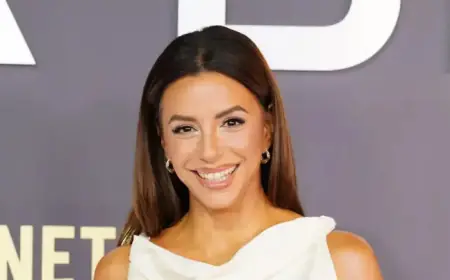
Speaking at an event honoring Black cultural contributions, the president praised a string of Black artists and public figures before singling out Nicki Minaj, saying she was "so beautiful" and adding a remark about her skin and long nails. The brief exchange was framed as praise, but it left several commentators visibly perplexed, describing the moment as awkward and out of step with the broader context of his administration's actions.
One panelist likened the president's tone and delivery to a family member who had had too much to drink at a holiday gathering, asking rhetorically what the intended effect might be. Others pointed to recent controversies — from a disputed decision involving a slavery exhibit to the circulation of an inflammatory image targeting former national figures — as factors that make such compliments ring hollow for many viewers.
Panelists pointed to pattern on race and divisive messaging
Discussion on the panel shifted quickly from the compliment itself to what speakers described as a pattern: using named friendships with minority figures as evidence of non-prejudice while simultaneously taking steps seen as antagonistic to communities of color. A strategist on the panel acknowledged that some specific actions by administration officials were puzzling and potentially counterproductive, suggesting that such moves risk fragmenting a coalition the president will need in upcoming elections.
Another commentator, a former communications director for a GOP senator, raised the recent controversy over the president reposting a meme that many found offensive. That figure argued the president's doubling down and refusal to apologize prolonged the dispute and made it harder to control the message. A different panelist observed that the question of whether the president holds prejudicial views is not new and has a lengthy history that colors how remarks like this are received.
Political risks and messaging challenges ahead of midterms
Strategists on the panel warned that moments intended to humanize or flatter can backfire if they are perceived as insincere or tone-deaf. One Republican strategist said he could not see why certain internal priorities were being pursued at all and expressed concern that the administration's choices were creating unnecessary division.
Panelists suggested the president's broader communications strategy often undermines attempts to repair damage from earlier controversies. Even when praise is meant to reach out to diverse voters, critics argued that it can feel performative without accompanying policy changes or clear gestures that address longstanding concerns.
The exchange about the rapper, brief though it was, became a flashpoint for those who see a recurring pattern in the president's public remarks: abrupt shifts in tone, name-checking cultural figures, and quick transitions into partisan or defensive territory. For many watching, the moment did not change minds; rather, it reinforced existing narratives about how the president presents himself on issues of race.
As the political calendar advances toward crucial midterm contests, advisers and critics alike will be watching how the administration balances public appearances, conciliatory language, and substantive action — and whether isolated compliments can offset longer-standing controversies in the eyes of voters.