

























lara naki gutmann: Snowboard cross seeding heats set the stage as Haemmerle edges Grondin and controversy flares

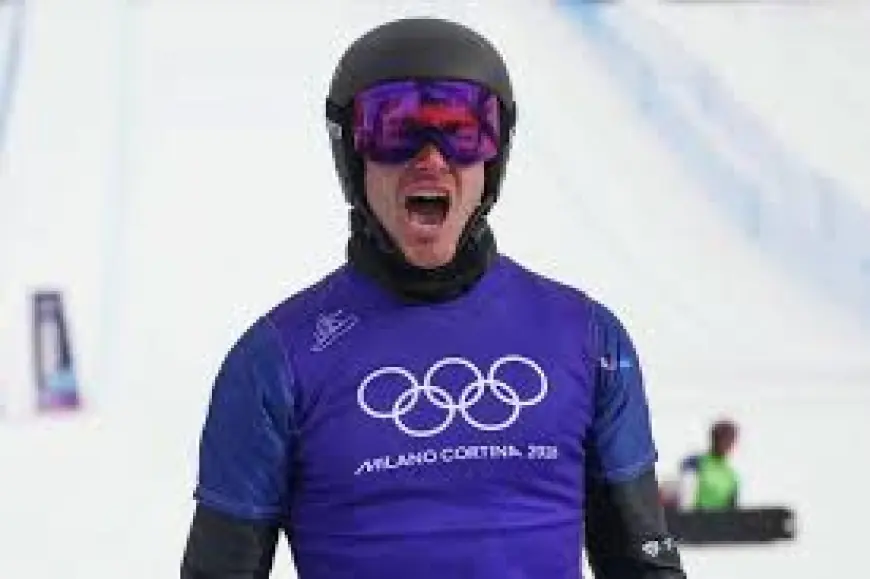
Seeding runs at the Livigno Snow Park intensified the drama of the Milan–Cortina Games, as veteran names and rising stars jockeyed for position ahead of snowboardcross elimination rounds. On the same day, Austria’s Haemmerle again denied a familiar rival the top step of the podium, a halfpipe upset left the defending champion with silver, and a skeleton disqualification over a commemorative helmet has drawn sharp reactions and an appeal.
Seeding heats sharpen focus on veteran-versus-youngster clash in men's snowboardcross
The opening seeding runs for men’s snowboardcross offered a clear snapshot of contenders and storylines. Nick Baumgartner — the 44-year-old five-time Olympian from Michigan’s Upper Peninsula — was the first rider down the Livigno course, underlining the blend of experience and endurance that still shapes the field. France’s Loan Bozzolo took the No. 6 run, followed immediately by Canada’s Éliot Grondin at No. 7; Grondin remains a central figure after his photo-finish heartbreak in Beijing and his subsequent World Championship title in 2025.
Australia’s Adam Lambert, running 12th, arrived at Livigno as the World Cup standings leader and a clear threat; Austria’s Alessandro Haemmerle slotted in at No. 13, reminding observers that the 2022 Olympic champion has both the pedigree and the pace to climb the podium again. Preliminaries also produced a new start benchmark on the Cortina track, where American Austin Florian set a start-record time but paid for late mistakes, finishing his run in 56. 95 seconds — 0. 74 seconds behind the provisional leader, Matt Weston.
With seeding times locked in, match-race lanes and heat draws will favor riders who mixed clean starts with controlled aggression on the bottom sections of the course. The setup promises head-to-head eliminations where positioning and split-second choices will decide who advances toward the medal rounds.
Gold, silver and protests: Haemmerle’s victory, halfpipe upset and a skeleton DSQ
The Games’ medal table shifted as Austria’s Haemmerle edged his longtime rival for Olympic gold in a result that reinforces the narrow margins at the top of snowboardcross. The photo-finish rivalries that once defined the sport remain alive; Haemmerle’s win is the latest chapter in a duel that has played out across multiple seasons and major events.
Elsewhere on Day 6, one of freestyle skiing and snowboarding’s most watched matchups saw a young challenger rise. The two-time defending halfpipe champion was beaten to the title by a 17-year-old who posted a 90. 25 on her final run, leaving the veteran with a silver and underscoring how quickly podium dynamics can change at a single Games.
Off the snow, the skeleton competition became a flashpoint when Vladyslav Heraskevych was disqualified after continuing to wear a helmet meant to commemorate Ukrainian athletes lost since the 2022 invasion. The athlete’s accreditation was withdrawn, he was initially omitted from the start list and later added back with a DSQ notation next to his entry. He has filed an appeal contesting the disciplinary action. The reaction around the venue was immediate and emotional, with teammates and family visibly affected by the decision.
The mixture of tight finishes, seeding surprises and diplomatic controversy ensures the coming days will be tightly watched. For snowboardcross, the seeding runs have already set up a compact, high-stakes bracket where veterans like Baumgartner and Haemmerle will meet hungry younger riders such as Grondin and Lambert. Off the hill, the appeal in the skeleton case adds an unexpected non-sporting subplot that could reverberate through the remainder of the Games.