























Ami Nakai stuns with historic triple Axel as favorites scramble — jazda indywidualna kobiet z programem dowolnym na zimowych igrzyskach olimpijskich 2026

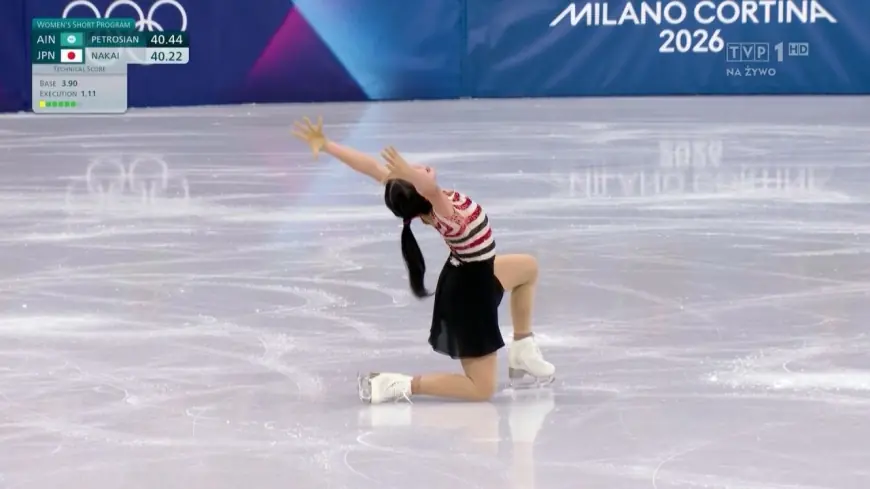
In a sensational short program at the Milan-Cortina 2026 Winter Games on Tuesday (ET), 17-year-old Ami Nakai delivered a milestone performance that has altered the outlook for the women's free skate. Nakai landed a triple Axel in a clean, high-energy routine, posted a season-best 78. 71 and took the unexpected lead heading into the free skate.
Nakai's historic short program and the numbers that matter
Nakai's Olympic debut turned into a breakout moment. The teenager executed a triple Axel — a jump that has been rare in women's competition at the highest level — and combined it with a polished short program to post 78. 71 points. That mark not only stood as her best of the season but was enough to put her ahead of more experienced rivals after the short segment.
Kaori Sakamoto, skating with the calm and control of an Olympic veteran, sits second after the short program with 77. 23. Alysa Liu, the reigning world champion who returned to competition after taking a brief retirement, posted 76. 59 and occupies third. Those results set up a compressed leaderboard where small margins and the free skate strategy will decide the medals.
Nakai said she approached the event with no fear, a mindset she credited for allowing her to skate freely and pull off the risky element under pressure. She also pointed to the inspirational example of a Japanese pair who rallied from a lower short-program placing to claim gold, underscoring how much can change between segments at these Games.
Medal picture now wide open — veteran poise vs. teenage daring
The short program produced two clear themes: the arrival of a daring young contender and the steady presence of seasoned skaters who remain threats. Sakamoto, skating what may be her final Olympic campaign, delivered a controlled program to “Time To Say Goodbye, ” showing why experience matters in large arenas. Liu’s clean elements and confident comeback performance remind rivals she can convert opportunity into podium finishes.
Beyond the top three, other competitors made key advancements. A Polish soloist managed a successful short program and advanced to the final round, keeping hopes alive for a strong finish. With the free skate scheduled to determine the medalists, athletes who can marry technical difficulty with endurance and performance intensity will gain the edge.
Expect strategies to shift: favorites with margin to protect may skate more conservatively, while challengers like Nakai will weigh the risk-reward of repeating big elements to build a definitive lead. Judges’ grade-of-execution decisions and component marks will play a decisive role given how tight the scores are.
What to watch before the free skate
Key storylines heading into the free skate include whether Nakai can repeat or safely integrate high-difficulty elements under fatigue, how Sakamoto leverages her experience to polish a longer program, and whether Liu’s momentum from a clean short carries through. The psychological impact of Nakai’s breakthrough — and the memory of the Japanese pair’s comeback — could also influence how competitors approach risk in their free skates.
For spectators, Thursday’s free skate (ET) promises a high-stakes mix of youthful ambition and veteran resolve. With the short program upset fresh in everyone’s minds, the podium is far from settled and could look very different once the long programs conclude.