

















bbc: Passenger reunited with rail staff after life-saving response on train

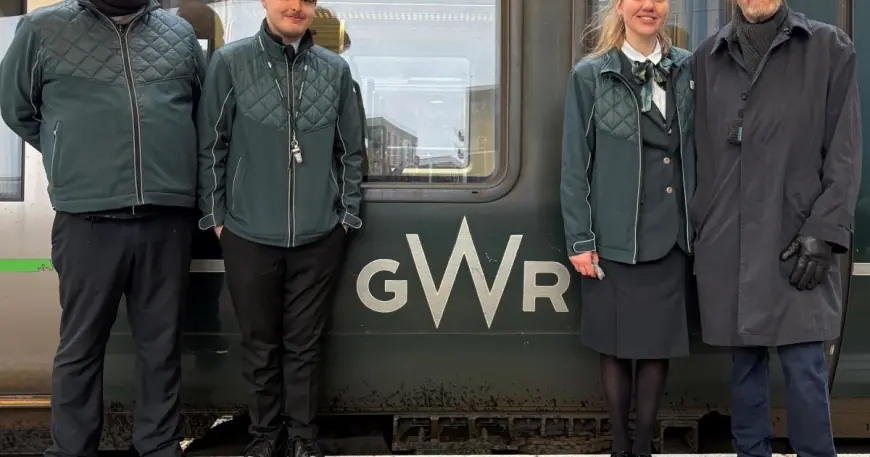
A 69-year-old man who suffered a cardiac arrest while travelling from Swindon to London in September has returned to Reading Station to thank the station and on-board staff, emergency responders and fellow passengers who helped save his life.
Reunion at Reading Station
Ian Drewry met members of the train team, station staff and representatives from ambulance and air ambulance services on Wednesday, February 18, 2026 (ET), several months after he collapsed on a service approaching Reading station on September 14, 2025 (ET).
Drewry said the visit was important to him: “This has been truly amazing – I just didn’t realise the amount of people involved on that Sunday afternoon last September. It’s so important to come back and say thank you. I would not be here today if it wasn’t for all those who helped me on the day; the platform staff, the train manager, the train driver and all those who coordinated to get the help I needed. ”
Present at the reunion were the train manager who initiated the emergency procedures, the dispatchers who sourced a defibrillator and managed the platform, station delivery leadership, and crews from the regional ambulance and air ambulance services. Staff set up privacy screens on the platform on the day of the incident and coordinated with signallers to keep the service held so emergency teams could reach the scene.
Swift, coordinated action saved a life
The train was brought to a halt after a fellow passenger activated the emergency alarm as it approached Reading. The train manager went to investigate and found Drewry not breathing. A doctor who happened to be travelling on the same service began CPR while another passenger called 999. On arrival at the station, a defibrillator was brought on board and emergency services took over care before Drewry was taken to hospital.
The train dispatchers involved recalled the intensity of the moment. One dispatcher, who had only recently qualified, described how the adrenaline kicked in and the priority became directing people and getting the platform clear so responders could work. “It’s great to learn that he survived, ” he said.
The train manager reflected on the teamwork that day, noting she had seen a doctor already tending to the passenger and so focused on ensuring the train could be moved into Reading and the correct emergency procedures were followed. She said she was relieved and grateful to meet Drewry and hear of his recovery.
Gratitude and a wider reminder about bystander intervention
Representatives from the ambulance services and the station delivery team praised the quick-thinking actions of staff and passengers. The coordinated response — from the person who raised the alarm to the medical professional on board and the teams that brought a defibrillator and cleared the platform — enabled lifesaving care to be provided without delay.
Drewry contacted emergency services earlier in the year to find out if it was possible to thank those involved in person, which led to the reunion at Reading. He has also sought to identify and thank the medical professional who initiated CPR on the train so he can express his gratitude directly.
Staff at the station said the episode underlines the value of training, clear communication and public access defibrillators. For passengers, it serves as a reminder that quick action — activating alarms, calling emergency services and assisting where it is safe to do so — can make the difference between life and death.
The reunion offered a rare chance for those involved to meet again and for a patient to express his thanks face to face, highlighting the impact of calm coordination and the vital role of bystanders and front-line transport staff in medical emergencies.