















david attenborough centenary: national broadcaster to mark 100th with new specials and live event

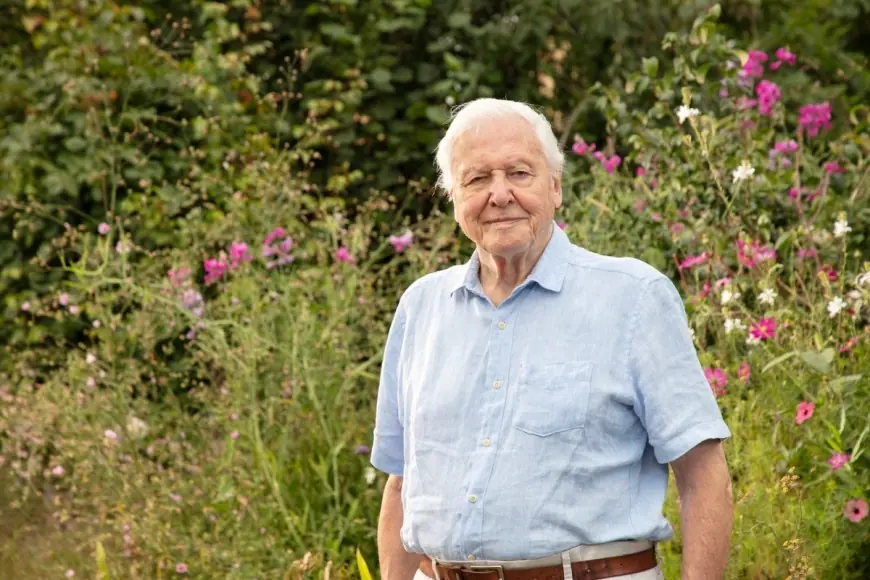
The country's leading broadcaster will mark david attenborough's 100th birthday on 8 May 2026 (ET) with a week of special programming that pairs three brand-new productions with curated archive highlights from the presenter's seven-decade career. The slate is built around fresh interviews, behind-the-scenes accounts and a live Royal Albert Hall celebration that aims to underline his cultural and environmental legacy.
Three new commissions for the centenary week
The commemorative week is headlined by three new projects. Making Life on Earth: Attenborough's Greatest Adventure revisits the landmark 1979 series Life on Earth with new interviews of the presenter and members of the original production team. The programme looks back at the logistical and political hurdles of that era of wildlife filmmaking, including production dangers in parts of Africa and other field stories that shaped early natural history television.
Secret Garden is a five-part series that turns its attention to the often-overlooked ecosystems just beyond our doors. Filmed across multiple gardens in the United Kingdom, the series explores how a surprising range of wildlife—from small mammals and birds to invertebrates—thrives in private and public green spaces. It also spotlights the practical steps gardeners and communities can take to support struggling species, emphasising how collective local action can have national impact.
The third new item is David Attenborough's 100 Years on Planet Earth, a live event staged at the Royal Albert Hall and backed by a full orchestra and special guests. The event is designed as a career-spanning tribute, mixing live performance, film excerpts and reflections on both the personal and global significance of Attenborough's work.
Archive showcases and streaming collection
The centenary week will also reach into the archive, presenting standout episodes from the presenter's most recognisable series. Selections are expected to include episodes from Planet Earth, One Planet, Blue Planet, Frozen Planet and the original Life on Earth, alongside more recent specials. Organisers have assembled a broader online collection that will bring together more than 40 programmes from across his career, giving audiences a chance to revisit landmark moments and trace the development of wildlife filmmaking over decades.
The archive programming aims to show both the continuity and change in the field: how technological advances altered what could be filmed, how rising global travel reshaped production, and how storytelling choices helped popularise conservation concerns. Viewers will be able to see familiar sequences with added context from new interviews and reflections by people who worked on those productions.
Legacy, production stories and what audiences can expect
The new material promises a mix of intimate recollection and production-level detail. Making Life on Earth brings forward stories of on-the-ground peril—political instability, difficult transport and the practical limits of filming in colour and on film stock—that informed the creative choices of early crews. Secret Garden, by contrast, is quieter in scale but no less revelatory, demonstrating that significant biodiversity stories unfold at the edges of suburban and rural life.
Jack Bootle, head of commissioning for specialist factual at the corporation, described Attenborough's contribution as defining natural history broadcasting and said the week is both a celebration of an extraordinary milestone and an opportunity to thank him for a lifetime spent bringing the wonders of nature into homes. The combination of live event, fresh interviews and curated archive is intended to underline how his work shaped public understanding of the natural world and inspired conservation action across generations.
For viewers, the centenary programming offers both spectacle and perspective: large-scale natural history moments alongside personal anecdotes from those who filmed them. Together, the new and archival pieces form a portrait of a career that has influenced how people see the planet and consider their place in it.