



















2026 winter olympics women's single skating free skating: Nakai leads a captivating title race

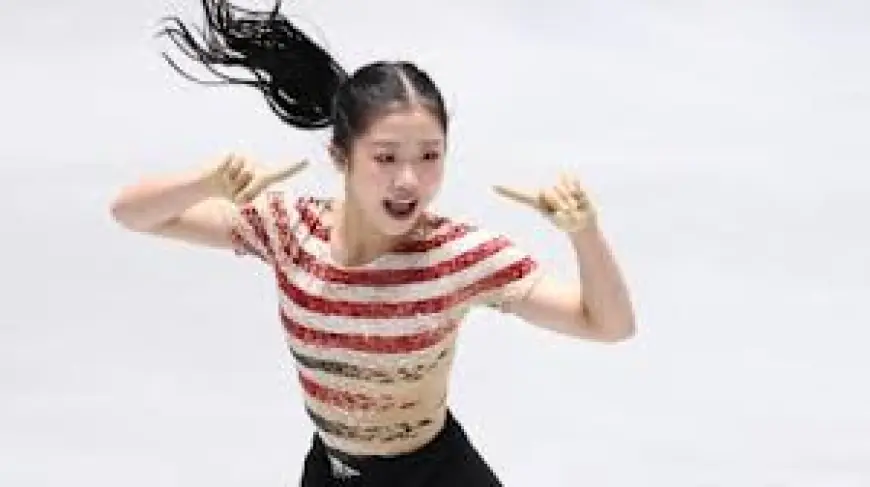
Japan's 17-year-old Ami Nakai stunned the field with a high-octane short program and now heads into the free skate — scheduled for Thursday evening ET — in pole position. The free skate will decide Olympic medals in one of the most unpredictable and emotionally charged events of the Games, with veteran Kaori Sakamoto, comeback star Alysa Liu and several other contenders all within striking distance.
Nakai's breakout: youthful fearlessness meets technical firepower
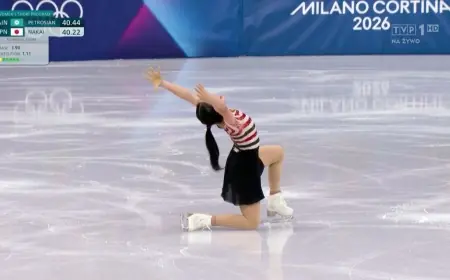
Nakai, the youngest skater in the 29-woman field, delivered a near-flawless short program that combined big jumps, crisp basics and an infectiously joyful presence on the ice. Opening with a triple axel and following with a triple lutz–triple toe loop combination, she posted a personal-best short-program score in the high 70s and punched above her seeding after having started 18th of 29 because of a lower world ranking.
Her performance underlines how the competition's recently raised minimum age — now 17 — has reshaped the field. Nakai arrived on the world tour this season and, while less publicly known than some rivals, has the technical tools and competitive temperament to carry her through a demanding free skate. The young skater smiled broadly after her routine and left little doubt that she plans to contest the podium with full ambition.
Podium permutations: Sakamoto's swan song and the U. S. chase
Trailing by only a slim margin is Kaori Sakamoto, the 25-year-old who has dominated recent world championships and has made this her final competitive season. Sakamoto's short program was elegant and crowd-pleasing, a poignant moment given that she will step away from competitive skating after Thursday. Her experience and consistency mean she remains the clear threat to Nakai for gold.
Alysa Liu, who returned to top-level competition after a hiatus, sits firmly in the medal hunt as well. Her short program featured high-difficulty content and earned a season-best mark that kept U. S. hopes alive; a podium result for the Americans in the individual women's event would end a long drought. Teammates produced mixed results in the short program, underlining how the free skate will demand both technical ambition and composure under pressure.
Japan’s depth is painfully obvious: several of its skaters are clustered near the top, and a podium sweep — never achieved in Olympic women's singles — suddenly feels conceivable. That scenario would cap a dominant run across the figure-skating events this week, building on medals already won in the team, men's and pairs competitions.
What to watch in the free skate on Thursday evening ET
The free program will be decisive. Expect a duel of risk and reward: who will add extra jumping content, and who will prioritize clean execution? Nakai's triple axel gives her a potent weapon, but the endurance of a young skater against the polish and experience of a champion like Sakamoto will be a central storyline.
Key elements to monitor include jump consistency under pressure, the execution levels on spins and footwork, and how judges reward performance quality and interpretation. Starting order can shift momentum; Nakai's middle-of-the-pack starting position in the short program was no barrier, but the free skate draw will influence strategy and scoreboard swing.
Beyond the technical battle, emotion will be a factor. Sakamoto's farewell adds narrative weight, while Nakai's instant rise introduces a fresh star into the Olympic firmament. For U. S. skaters, the free skate is a chance to break through a long medal drought in the individual women's event.
Medals will be decided Thursday evening ET, with skaters and fans alike bracing for what promises to be one of the Games' most compelling finales.