






















olympic figure skating: Miura and Kihara rebound from short-program flop to win Japan’s first pairs gold

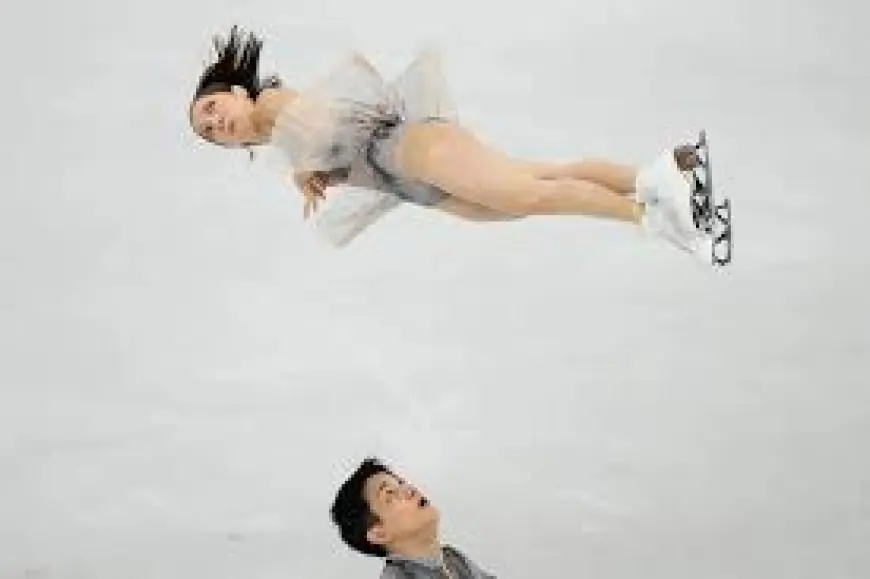
Riku Miura and Ryuichi Kihara completed a dramatic turnaround at the Winter Games, overcoming a costly error in the short program on Sunday (ET) to deliver a dominant free skate on Monday (ET) and claim Japan’s first Olympic gold in pairs skating. Their victory upended pre-Games expectations, displacing defending champions and reshuffling the podium.
Short-program miscue left Japan with a seven-point hole
The pair arrived at the Olympics with strong credentials—two world titles and top placements in the team event—but a single mistake in the short program on Sunday (ET) threatened to end their bid for gold. Miura and Kihara opened cleanly with a triple twist and triple toe loop, but a Level 4 lasso lift went awry when Miura slipped off Kihara’s shoulders and hit the ice awkwardly. The element was downgraded to Level 2, and the lift drew a minus-2. 30 grade of execution, a penalty that also depressed their component scores.
The deductions left them nearly seven points behind the leaders, German pair Minerva Fabienne Hase and Nikita Volodin, who were atop the leaderboard after the short. With only seven required elements in the short program, the error was a high-cost setback—one that placed the Japanese well outside immediate contention and forced a high-stakes redemption in the free skate.
Free skate perfection: a 158-point masterpiece and historic gold
On Monday (ET) Miura and Kihara delivered the response the competition demanded. Skating to the score from the film Gladiator, they produced a technically and artistically commanding free program that included clean triples and well-executed throws. The duo earned a free-skate score of 158, vaulting them past the short-program leaders and into first place overall.
The win marked a milestone: Japan’s first Olympic gold in pairs, a discipline long dominated by Russian, Chinese and European teams. Their free skate was described by coaches and teammates as the sort of performance that can erase the sting of earlier mistakes—and it did, turning a near-calamitous short program into a memorable Olympic triumph.
Podium shake-up and wider ripple effects
The results signaled a changing of the guard. Defending Olympic champions Sui Wenjing and Han Cong finished fifth after dropping two triples in their free skate, removing themselves from medal contention. Meanwhile, Anastasiia Metelkina and Luka Berulava of Georgia seized silver, securing their nation’s first-ever Winter Games medal. The German pair that led after the short program was unable to hold the lead through the long program, underscoring how quickly standings can flip in pairs skating.
The competition in Milan highlighted how pressure and a single error can reshape outcomes: several favorites who arrived with recent world titles or long win streaks saw their supremacy challenged. For Miura and Kihara, the Olympic arc from Sunday’s painful miscue to Monday’s triumphant free skate crystallized the sport’s unpredictability—where technical precision, artistic courage and resilience under pressure converge to create history.