




















quinn hughes Delivers Overtime Winner to Send U.S. Into Olympic Semifinal

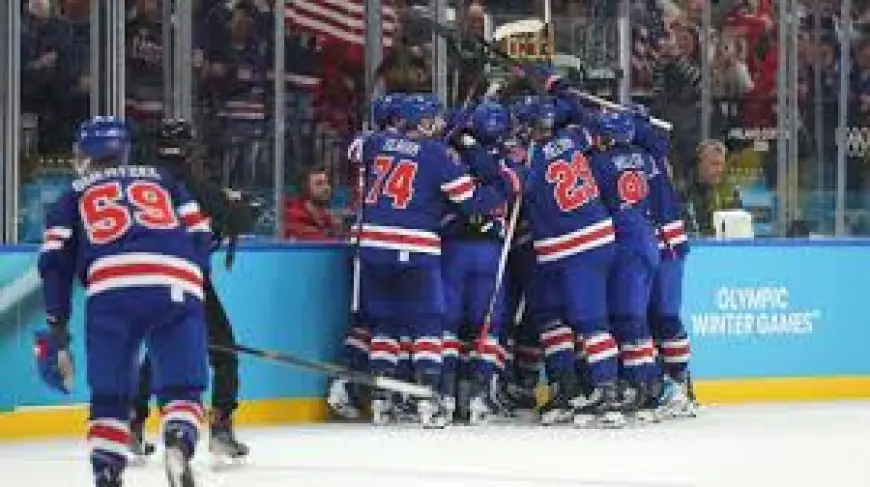
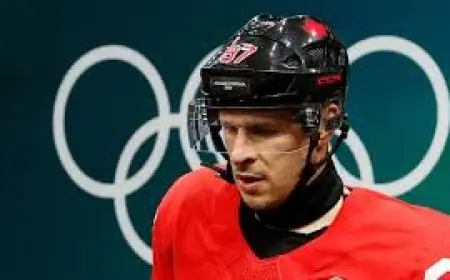
MILAN — On Feb. 18, 2026 (ET), Quinn Hughes capped a tense quarterfinal clash with Sweden by ripping a laser past the goaltender three-plus minutes into overtime, giving the United States a 2-1 victory and a semifinal date with Slovakia. The goal snapped a game that had been a defensive battle and rescued an American squad that looked vulnerable late in regulation.
Heroics in overtime and a narrow escape
The 26-year-old defenseman’s shot hit the post and bounced in, sparking relief for a team that had been carved down to the wire. Hughes, who said simply, "Just relief, " was clearly savoring the moment: "I’m really enjoying wearing the crest, playing with the superstars we have on this team, getting to know these guys, living in the [Olympic] Village. You just want to extend it as long as you can. "
American goaltender Connor Hellebuyck had been superb through regulation, turning away 28 shots before a late strike from Sweden’s Mika Zibanejad forced overtime with just 91 seconds remaining. The tying goal left the U. S. facing a sudden momentum swing, but leaders on the roster steadied the group and the fresh overtime unit produced the decisive play.
Defense played a premium role throughout the contest. The U. S. did enough to keep the contest close while trying to find consistent offense against a Swedish group built around structure and top-end talent. When Hughes’ shot finally found the net in the extra period, it delivered both a win and a psychological lift for a team chasing its first Olympic men’s hockey gold since the famed upset more than four decades ago.
What’s next: a semifinal test against Slovakia
With the quarterfinal win secured, the Americans now face Slovakia in a semifinal that looms as a daunting mismatch on paper but a true challenge in practice. Slovakia advanced by winning a group that included Sweden and Finland and then routing Germany to reach this stage. "It’s going to be an extremely hard test, " one U. S. forward said. "They’ve been rolling, they’re competitive, they’re fast. It doesn’t matter how many superstars you have or whatnot. The desperation level is so high. It’s Game 7 every night now. "
Slovakia’s path has been built on cohesion, opportunistic scoring and momentum — the kinds of intangibles that can override a talent gap in neutral-site tournament hockey. The U. S. must sharpen its offensive play and sustain discipline on defense if it wants to avoid another late-game scramble and preserve the deeper hopes tied to this star-laden roster.
Takeaways and roster implications
Hughes’ goal reinforced the value of puck-moving defensemen with a heavy shot and the ability to impact a game offensively. It also served as a reminder of his journey; he admitted disappointment a year ago when an ill-timed oblique injury cost him the chance to play at a previous international event. Now healthy and influential, he’s a central piece of a lineup that has high expectations.
For the Americans, the victory answered questions about their ability to prevail in tight postseason situations. It also exposed lingering concerns: inconsistent forward chemistry against weaker opposition during group play and reliance on stout goaltending and late heroics. The upcoming semifinal will be an early barometer of whether this team can convert potential into a sustained run deep into the tournament.
The win in Milan keeps medal ambitions alive and hands the U. S. a clearer road to the gold-medal game — but only if the team can manage the pressure and counter an opponent riding the confidence of recent upsets. The stakes now rise, and the next matchup will test whether this roster can translate moments of brilliance into a championship push.