


















New Orleans crowds turn out for extravagant fat tuesday finale of Carnival

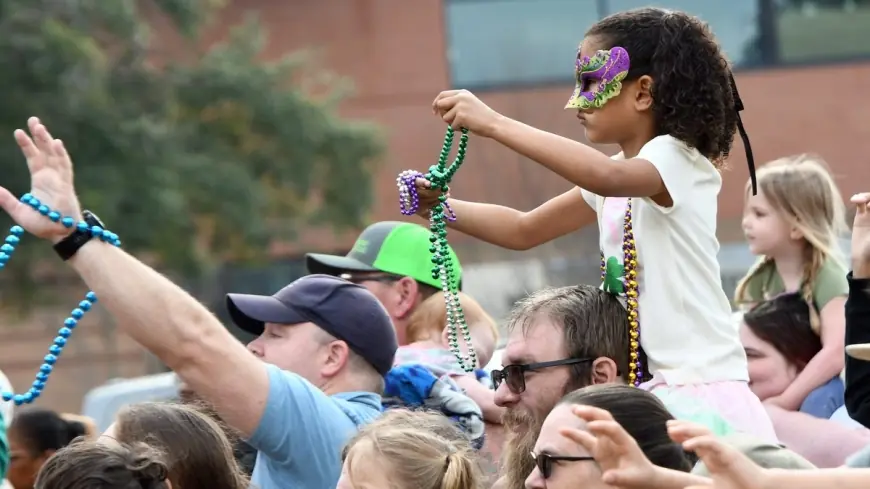
Thousands lined the streets of New Orleans on Tuesday, Feb. 17 (ET), as the city reached the high point of Carnival: Fat Tuesday. Revelers in green, gold and purple packed balconies, streets and the French Quarter for a day of parades, music and indulgence before the start of Lent.
Parades, throws and pageantry command the streets
From early morning, people claimed spots along historic St. Charles Avenue, hauling chairs, coolers and ladders to secure the best vantage points. Marching bands, ornate floats and performers rolled through city streets while parade-goers shouted the familiar plea, "Throw me something, Mister, " reaching for strings of beads, doubloons, stuffed animals and assorted trinkets tossed by riders.
Some throws are prized above others. Hand-decorated coconuts from the Zulu parade drew fierce excitement, and the sight of a reveler waving a glittered coconut became one of the day’s small triumphs. Costumes ranged from sequined showpieces to inventive homemade ensembles; some participants wore towering feathered headdresses that echoed the long tradition of masked and beaded Indian krewes.
Music threaded through the celebration. Brass bands, drumlines and street musicians set the tempo, driving dancing and sing-alongs from the crowd. For many attendees the music provided the connective tissue of the day—an audible reminder that Carnival is as much about community and rhythm as it is about spectacle.
Tradition, food and local color beyond the Big Easy
The city’s Mardi Gras is the most famous, but the spirit spills across the region. Rural Central Louisiana continues to practice the Cajun Courir de Mardi Gras, a running tradition in which costumed participants solicit ingredients from neighbors and chase live chickens for a communal gumbo. Coastal cities host their own parades and parties, and variations of Carnival are celebrated globally in locales known for grand processions and street parties.
Food and drink were central to the day’s mood. Where many reach for morning coffee on ordinary days, Fat Tuesday favorites included richer, adult beverages and communal feasts. Parties spilled out onto sidewalks and balconies as families and longtime residents shared home-cooked plates and regional specialties that mark the transition from indulgence to the austere weeks of Lent.
A day for spectacle and for stepping back
For seasoned Carnival-goers, Fat Tuesday is both a final hurrah and a ritual pause. Longtime attendees described the day as a break from routine, a time to celebrate before the sober observance that follows. One reveler, decked in an Egyptian-inspired outfit complete with a gold headpiece and glittered makeup, summed up the sentiment: "The world will be here tomorrow, but today is a day off and a time to party. "
Celebrations also spotlight local culture and community pride. Lavish costumes, handcrafted throws and neighborhood parades reflect decades of tradition passed down through families and krewes. For many residents, the day is less about spectacle for tourists and more about affirming identity and connection in a city built around music, food and shared ceremony.
As the day closed, the city began the familiar transition: cleanup crews, quieted streets and the first observances of Ash Wednesday slated for the following day. For now, though, the memory of Fat Tuesday’s sounds, colors and crowds remained vivid—a reminder that Carnival’s last big day continues to draw people back to the streets year after year.