



















tiki ghosn resurfaces in MMA conversation after viral livestream spat

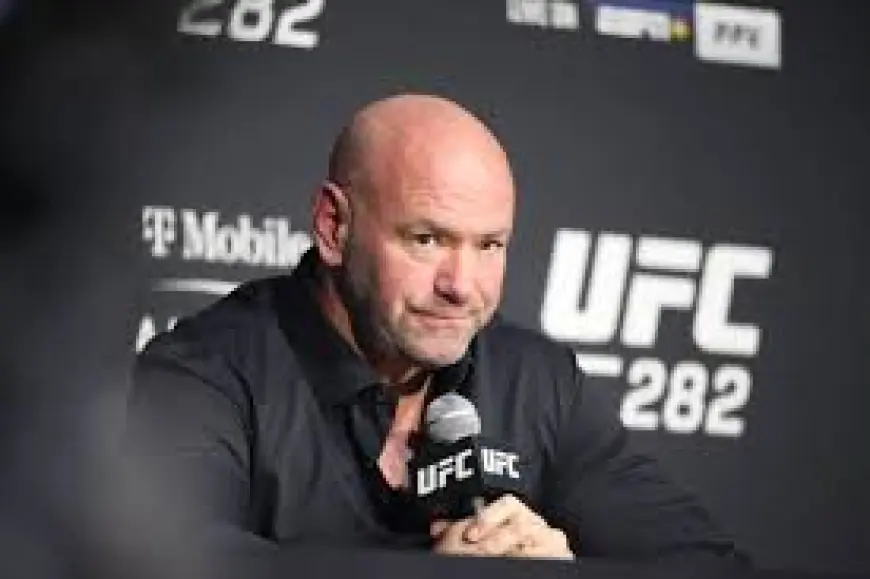
Veteran fighter and coach tiki ghosn has been drawn back into the spotlight as an online melee over a recent double-date livestream prompts renewed debate about conduct and mentorship within mixed martial arts. The incident, which featured a physical confrontation sparked by flirtation with a fighter's spouse, has pushed conversations about training culture, accountability and veteran influence to the fore.
Why tiki ghosn's name is back in circulation
The livestream episode that dominated social feeds this week — in which a high-profile strength athlete slapped another guest after a heated exchange about a spouse — quickly opened a broader discussion about how fighters and trainers manage personal conflicts publicly. That debate has led many observers to recall established coaches and former fighters who have shaped locker-room norms over the last two decades. tiki ghosn, who spent years training and coaching in the MMA community, has been cited by fans and commentators as an emblem of the sport's older guard.
Even without fresh public statements from tiki ghosn himself, his career as a fighter and mentor provides context for the current moment. Supporters invoked his name when arguing that experienced figures can help de-escalate heated situations and guide younger influencers toward more constructive behavior. Critics, meanwhile, used the renewed attention to question whether the sport's veterans have done enough to confront aggressive or performative behavior that can spill into the public sphere.
Community reaction: mentorship, accountability and spectacle
The clash that produced the viral clip has exposed tensions between entertainment-driven social media antics and the responsibilities that come with being a public figure in combat sports. A significant portion of the discourse centers on two competing ideas: that fighters should protect families and loved ones, and that physical retribution in a livestreamed setting risks normalizing violence outside sanctioned competition.
Within this debate, tiki ghosn's legacy is being invoked as a test case for what effective mentorship looks like. Longtime observers emphasize that coaching in MMA traditionally involves more than technique: it includes shaping how fighters handle fame, conflict and public relationships. The current uproar has prompted calls for a clearer code of conduct among camps and influencers, and for veteran voices to step up in steering the culture away from spectacle-driven confrontations.
At the same time, some members of the community are pushing back against calls for older figures to shoulder responsibility for every viral incident. They argue that social-media economics and influencer culture have created new incentives that operate independently of gym hierarchies. The result is a split conversation: one side asking for stronger mentorship and oversight, the other insisting that personal accountability must be enforced by individuals themselves.
What to watch next
Expect the story to unfold on several fronts. First, whether key figures in the MMA world choose to comment or offer mediation will shape the tone of the conversation. Second, promotions and camps may respond with internal guidance or public statements aimed at limiting cross-promotional confrontations. Finally, how platforms respond to livestreamed altercations could influence the incentives that led to this incident.
For tiki ghosn, the renewed attention presents both risk and opportunity. If he or other respected veterans step into the conversation constructively, they could help steer a fractious moment toward clearer norms and safer conduct. If the debate remains polarized, the incident may simply become another example of the messy intersection between combat sports and viral entertainment.
Filmogaz will continue to monitor developments as participants, camps and veteran coaches weigh in and as the broader MMA community grapples with where to draw the line between spectacle and responsibility.