















UEFA Opens Probe After Vinicius Jr Alleges Abuse by gianluca prestianni

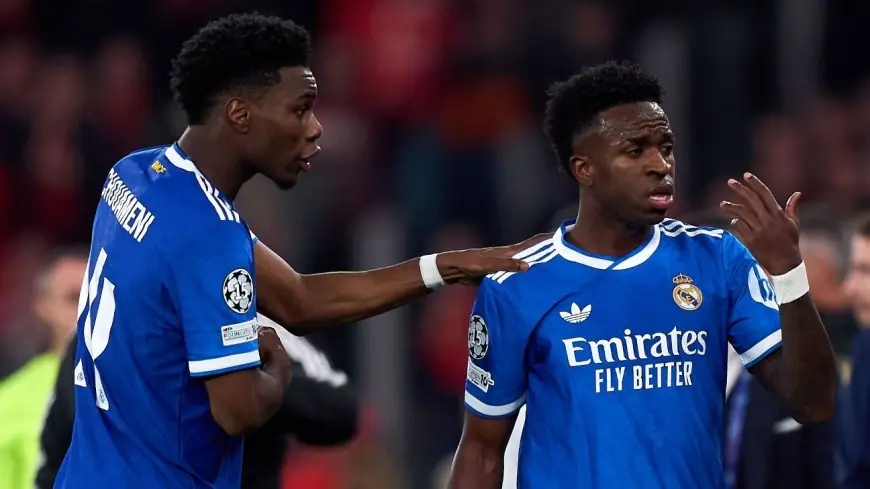
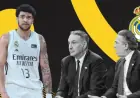
Real Madrid forward Vinicius Jr halted Tuesday night's Champions League play-off at Benfica (ET) after alleging he was racially abused by gianluca prestianni, prompting a 10-minute stoppage and the opening of a formal ethics and disciplinary investigation. The case has intensified debate over how European football handles alleged racist conduct and what sanctions might follow.
What unfolded at the stadium
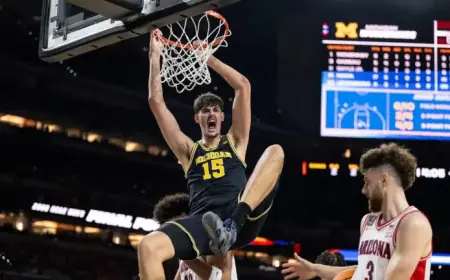
The incident came moments after Vinicius scored a stunning goal and celebrated in front of the home fans. He then drew the referee's attention toward a Benfica player, alleging the use of racist language. The referee implemented the anti-racism procedure and paused the match. Play was stopped while the official sought clarification, with the pause lasting around 10 minutes.
Gianluca Prestianni, the player Vinicius pointed to, has denied using any racist language and says the claim was a misunderstanding. Teammates of Vinicius voiced strong support for him after the match; one team-mate said they heard an alleged racial slur repeated multiple times. The exchange has left both squads and fans divided hours after the final whistle.
UEFA's response and likely timeline
European authorities have assigned an ethics and disciplinary inspector to gather evidence and interview those involved. Given the profile of the match and the sensitivity of the allegation, the investigation is expected to take weeks rather than days, and a rapid resolution is not anticipated.
With the second leg scheduled for next Wednesday (ET), the player accused of the abuse is likely to be available for selection while the inquiry proceeds. Historical precedents show disciplinary rulings in similar cases are often reached after extensive review; a major disciplinary outcome in a past cross-border match resulted in a multi-game suspension for racist conduct, and governing guidelines set a clear minimum for such bans alongside mandated education measures for clubs.
Reactions, apologies and the bigger picture
Reactions to the episode have ranged from public support for Vinicius to criticism of how the forward celebrated his goal. The home team's manager suggested the celebration contributed to the incident, and invoked the club's history in defending against claims the institution could be racist. Those comments drew sharp rebukes from anti-discrimination advocates, who described them as deflecting from the core allegation.
On commentary panels, one former official offered a critique of Vinicius's conduct during the incident and later issued a public apology, acknowledging those initial remarks were wrong and clumsy. That retraction has done little to calm a debate that has persisted around the player for years: Vinicius has now said he has been the target of alleged racist abuse some 20 times over his eight years at his club, a tally that frames this episode as part of a long-running pattern rather than an isolated confrontation.
Beyond the immediate disciplinary process, the case has reignited questions about how football institutions, managers and fans respond when allegations of racist abuse arise. For many observers, the recurring nature of such incidents underscores the need for clearer protocols, swifter investigations, and stronger cultural change across the game.
As the inspector collects statements and evidence in the coming days and weeks, attention will focus on whether disciplinary action is taken, how the home club manages internal investigation and education measures, and what message European football sends about tackling racism at the highest level.