













prestianni allegation halts Champions League tie after Vinícius wonder-goal

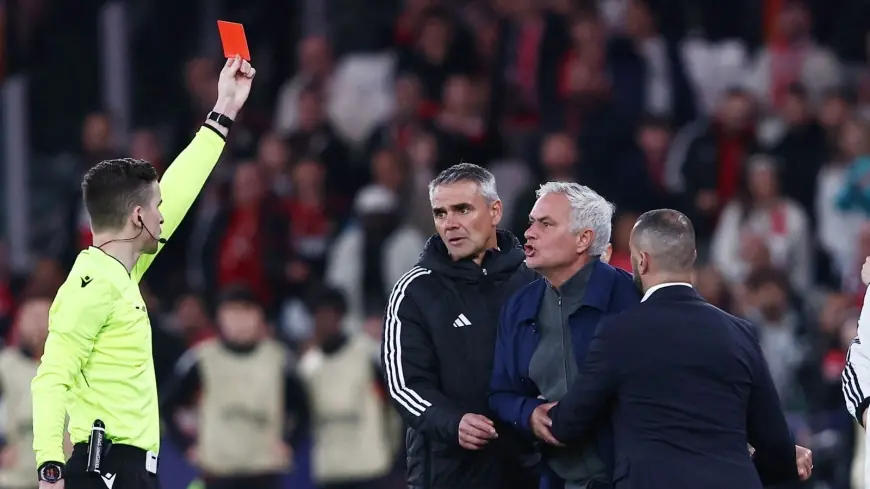
Real Madrid forward Vinícius Júnior walked off the pitch and forced a 10-minute stoppage in Lisbon on Tuesday night (ET) after alleging he was racially abused by Benfica winger Gianluca Prestianni. What began as a celebration of a sensational goal quickly turned into another episode in a long-running saga: Vinícius says this is the 20th time he has faced racist abuse during his eight years at the club.
How the match unfolded
Vinícius opened the scoring with a goal that stunned the stadium; his celebration echoed classic moments from football history. Moments later, he said he was subjected to a racist insult from Prestianni, who was standing nearby. The Real Madrid player left the pitch and the match was paused for around 10 minutes while players and officials conferred. Teammates rallied around Vinícius, and one teammate stated he heard a racial term used multiple times.
Prestianni has denied making any racist remark and said he was misunderstood. Video footage shared in the aftermath showed the alleged incident occurred close up enough that the two players were within a few feet; at one point, the accused player covered his mouth with his shirt. The combination of a spectacular goal, a heated confrontation and the stoppage led to intense reaction from the crowd and far-reaching debate about how the game deals with abuse on and off the pitch.
Reactions, responsibility and managerial remarks
Benfica's manager sought to defuse the situation by insisting the club could not be racist and by suggesting Vinícius should have tempered his celebration. That line of response has drawn sharp pushback from former players and observers who say blaming the victim only deepens the problem. One former international player described the manager's handling of the episode as a failure to stand unequivocally against racism.
Critics note that explanations about club history or prominent past players do not negate present incidents. For many, the exchange highlights how institutions and public figures can treat racism as a reputational risk to manage rather than a lived reality to confront. Vinícius’s repeated experiences on the field have made him, willingly or not, a focal point in that wider struggle.
What comes next
The governing body will open a disciplinary process to establish what was said, who said it and what sanctions, if any, are appropriate. Under the rules that govern hateful conduct, a proven racist insult can carry significant bans for players. Any case will need clear evidence to meet the threshold for those sanctions; the accused player insists he was misunderstood and will likely seek a full exoneration.
Beyond the formal inquiry, the episode raises broader questions about player safety, crowd culture and how football institutions respond when elite athletes report abuse. Vinícius’s teammates publicly backed him on the night, but only the formal process can determine culpability and punishment. For now, the immediate fallout is both sporting and symbolic: a Champions League tie disrupted, a star player deeply shaken, and renewed calls for meaningful action rather than reflexive denial or deflection.
At the time of writing (Tuesday night ET), the match restart did not resolve the wider debate, and the case is set to dominate headlines and disciplinary hearings in the days to come. For Vinícius, the incident is yet another in a long sequence he says he has endured; for the sport, it is another test of whether words, policies and procedures can finally catch up with the moment.