










tyra banks Faces Fresh Backlash in New America’s Next Top Model Exposé

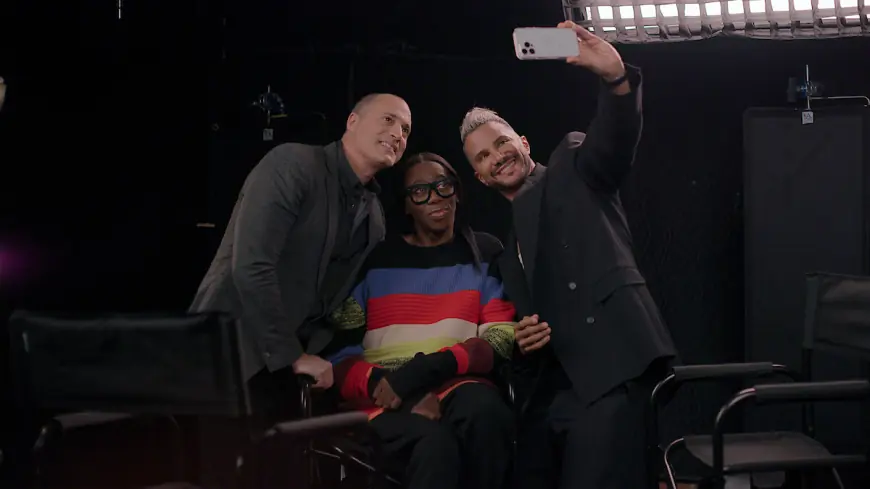
The new three-part documentary revisiting America’s Next Top Model casts the show’s creator and host, tyra banks, in an uncomfortable spotlight. With unusually broad access to former judges, photographers and dozens of contestants, the series re-examines a reality TV phenomenon that helped define the 2000s — and surfaces allegations of body-shaming, staged humiliation and long-term emotional harm.
Access, admissions and an uneasy defense
The documentary leans on sit-down interviews with many of the key figures who made the show a global hit. Those appearances allow the series to juxtapose the glossy on-screen persona with the backstage dynamic contestants remember. Banks, who helped popularize now-familiar catchphrases and viral moments — including the oft-circulated outburst “We were all rooting for you!” — presents herself as a trailblazer who opened doors for greater diversity in modelling. Yet the interviews by other participants and staff portray a program that frequently reinforced narrow aesthetic standards and permitted harsh treatment under the guise of tough coaching.
Members of the creative team display varying degrees of contrition while others appear defensive. Several former decision-makers concede the series would not meet contemporary standards of sensitivity and oversight, but their explanations often come across as detached from contestants’ described pain. At times, the documentary shows how responsibility was diffused across departments, leaving contestants without a clear advocate when they challenged the show’s choices.
Humiliation rituals and lasting fallout
What makes the series hardest to watch are the firsthand accounts from women who say the show repeatedly crossed personal boundaries. Contestants recount being weighed on camera, publicly critiqued for body parts and placed in metaphorical or literal roles that framed their bodies as spectacles. One former contestant who was celebrated for her casting as a gesture of inclusion remembers being ridiculed for having a “wide ass. ” Other examples include themed shoots that asked contestants to embody personas or situations that many found demeaning — from safari motifs that trafficked in racialized caricature to assignments that trivialized violence.
Producers sometimes acknowledge missteps but stop short of full accountability. One creative lead calls a particularly controversial shoot a “mistake, ” describing it as a misguided celebration of shock value. Contestants describe pressure to alter their appearances, perform through trauma-linked scenarios and tolerate scenarios that left them humiliated rather than protected. Several say they believed the show was their route out of hardship, only to find the exposure did not translate into sustainable careers and instead left lingering psychological scars.
Legacy under examination
The documentary frames this reckoning as part of a broader cultural shift: material that once read as edgy or entertaining now appears exploitative in a landscape more attuned to consent and mental health. While the original series did introduce new vocabulary to popular culture and showcased some diversity in casting, that impact is complicated by the production choices that placed contestants in harm’s way. Industry insiders in the film suggest the show’s stunt-driven approach rarely convinced fashion houses to embrace its contestants, and many winners found the path to a mainstream modelling career narrow.
Notably absent from the film is one high-profile former judge, whose exclusion is highlighted but not explored in depth. The omission underscores how any single documentary can only capture part of a sprawling, messy history.
Ultimately, the series raises clear questions about responsibility when entertainment trades on humiliation. The filmmakers' expansive access yields powerful testimony, even as energetic editing and episodic pacing sometimes dilute the cumulative force of those accounts. For viewers who grew up with the show — or who have rediscovered it online — the documentary forces a difficult reassessment of what felt like harmless television and what, in retrospect, reads as institutional harm.