















Tribute: robert duvall, Actor Who Clashed With Directors, Dies at 95

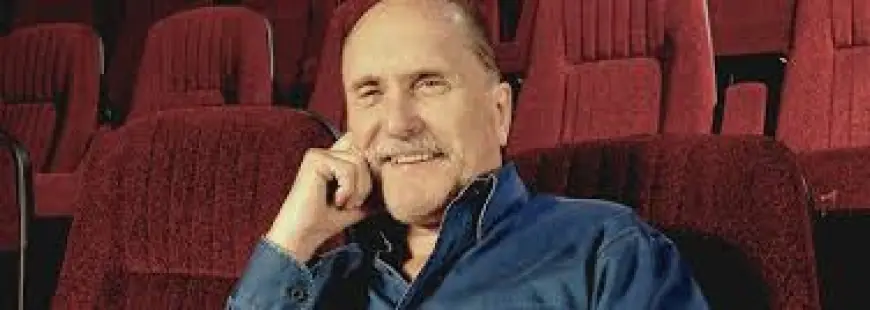
Robert Duvall, a towering presence in American film whose career stretched nearly seven decades and included an Academy Award for Tender Mercies, has died. His wife said he died Sunday at their home, surrounded by love and comfort; she announced his passing on Monday, Feb. 16, 2026 (ET). He was 95.
A long career of range and quiet force
Duvall’s work ranged from subtle, inward turns to explosive characterizations that could dominate a scene. He first drew attention with an unforgettable film debut as Boo Radley, then went on to career-defining roles as Tom Hagen in the first two Godfather films, Lt. Col. Kilgore in Apocalypse Now and the alcoholic country singer Mac Sledge in Tender Mercies, the latter earning him the Academy Award for best actor. He moved easily between supporting parts and leads, bringing a lived-in realism whether he was playing a consigliere, a hard-driving military officer or a battered soul seeking redemption.
Across the 1970s and beyond, Duvall worked with a wide array of directors and left his mark on classics of American cinema. Even in smaller and later roles — a pit-crew chief, a negotiator, an editor-in-chief — he had a way of anchoring a story in human detail, making each performance feel earned and essential.
He guarded his freedom as an actor
One of the defining notes of Duvall’s career was his insistence on artistic independence. He was unapologetic about being difficult with filmmakers when he felt their direction intruded on the actor’s work. "Get out of my way, " he once said of his approach, and he added bluntly in another interview: "Leave me alone, or hire somebody else. " For Duvall, this was not mere ego but a craft position: he believed that the best directors saw what actors would bring and intervened sparingly so performances could feel alive rather than robotic.
That temperament produced memorable on-set stories. When shooting a pivotal firing scene in Network, he drew on a real incident in which he told a producer to leave his dressing room — giving him an edge that translated on camera. He also clashed over script lines and takes: during Tender Mercies he sparred with the director about altering dialogue, and later he questioned some directors’ methods, arguing that endless takes could dilute a performance.
Even as he pushed back, Duvall also directed films of his own and said he tried to reverse the usual dynamic when he was behind the camera, letting actors supply the reality of their characters because he did not share their histories. His stance made him a demanding collaborator but often produced work that felt grounded and authentic.
Legacy: a restless craftsmanship and enduring impact
Duvall earned seven Oscar nominations over his career and won both the Academy Award and an Emmy, testifying to a versatility across stage, film and television. He was a performer who could disappear into parts or dominate a scene with a single forceful choice. Colleagues and younger actors frequently pointed to his ability to embody moral complexity without grandstanding — an approach that made even flawed characters sympathetic or terrifying in ways that felt true.
He also left a body of work that young actors and filmmakers continue to study: a catalogue of performances that balance restraint and intensity, and a professional ethos that prized territorial freedom for the actor. Whether remembered for a thunderous, surf-obsessed lieutenant, a weary country singer seeking grace, or the steady consigliere at the center of a crime dynasty, Robert Duvall’s presence on screen was unmistakable. He dies leaving a legacy of performances that helped define modern American cinema.