











wolves vs arsenal — Arsenal blew it at Molineux, but their collapse was bigger than one mistake

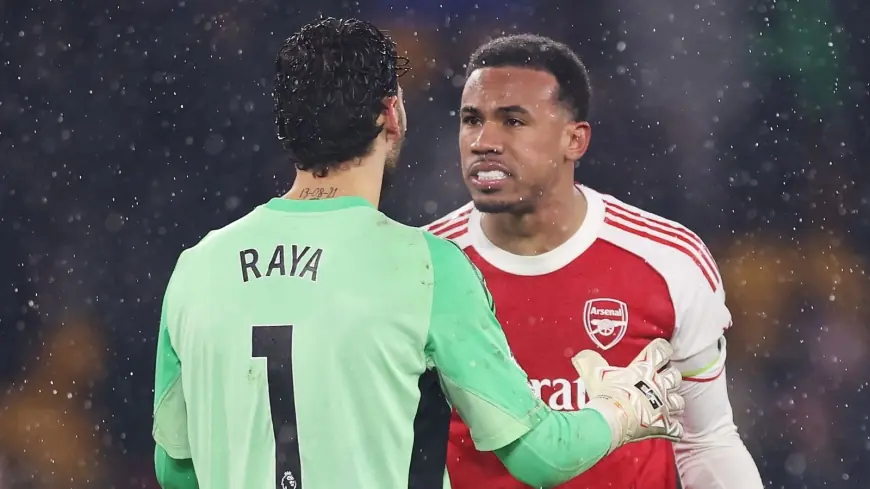
Arsenal left Molineux on Wednesday with a point they would rather not have taken. Leading 2-0 and appearing in control, they ended 2-2 after a second-half shift that exposed weaknesses in game management, midfield possession and decision-making. The result keeps them ahead in the title race but trims the cushion, and will force difficult questions about momentum and mentality.
How the match turned: from control to concession
In the first half Arsenal dominated territory and tempo, completing a higher percentage of passes and keeping Wolves pinned back. Piero Hincapié’s goal made it 2-0 and, on the balance of play, it looked like a routine finish. But the tone changed quickly after Wolves pulled one back through Hugo Bueno. That strike re-energised the hosts and altered the contest; Wolves completed 180 passes in the second half to Arsenal’s 163, and sustained pressure pulled the visitors out of their earlier rhythm.
What was striking was not only the number of loose passes and misplaced cross-field deliveries but the way Arsenal failed to wrest back control. Pass completion dropped from 87% in the first half to 76% in the second. When a team at the top of the table surrenders possession in that way to the league’s bottom side, it points to systemic problems rather than a single bad moment.
Errors, structure and the missing calm
Attention will understandably fall on the late equaliser: a handling error that gifted Wolves their leveller. But that incident was the culmination of a broader retreat from the disciplined possession that had characterised Arsenal’s early play. The goalkeeper’s long balls in the second half rarely found targets; midfield figures charged with control – including the deep pair whose remit is to recycle and shield – were unable to arrest the procession of giveaways. Crossfield passes went astray and attempts to force the play out wide became predictable.
Mikel Arteta’s body language on the touchline — visible frustration, repeated gestures to calm and recirculate — underlined how the coaching staff saw the problem. Their attempts to reinstate control came late, and the stop-start tactics in stoppage time felt like damage limitation rather than a confident closure. That reactive posture will be worrying to supporters who want to see their side close out matches decisively.
Wider implications: substitutes, spirit and the title race
Wolves’ manager got his substitutions right: a debutant forward, introduced late, turned out to be decisive. The substitute’s poise and luck — a deflection assisted the equaliser — will live long in the memory because it directly influenced the title picture. For Arsenal, it’s not simply that points were dropped; it is how they were dropped. Two successive away draws, first at a promotion-chasing side and then at the bottom club, magnify concerns about consistency under pressure.
With a trip to Manchester set for April 18 (ET) on the calendar, the timing could not be worse. There is a sense that the team must reassert the tactical foundations that made them leaders: cleaner passing, stricter ball retention, and clearer game-management in the final third. Arteta will have to decide whether training focus should tilt toward mental resilience and situational drills or tactical tweaks to close out low-block teams.
Ultimately the Molineux draw will be remembered for the goalkeeper’s error and the debutant’s late intervention, but the match was decided long before that single moment. It was about a loss of control across phases of play and a worrying inability to reinstate composure when the opposition pushed. For a title-hopeful, learning to manage those moments — and to avoid trends that invite panic — will be the necessary next step.