



















FCC Chair Brendan Carr Says Journalists 'Lied To' Over james talarico Interview Dispute

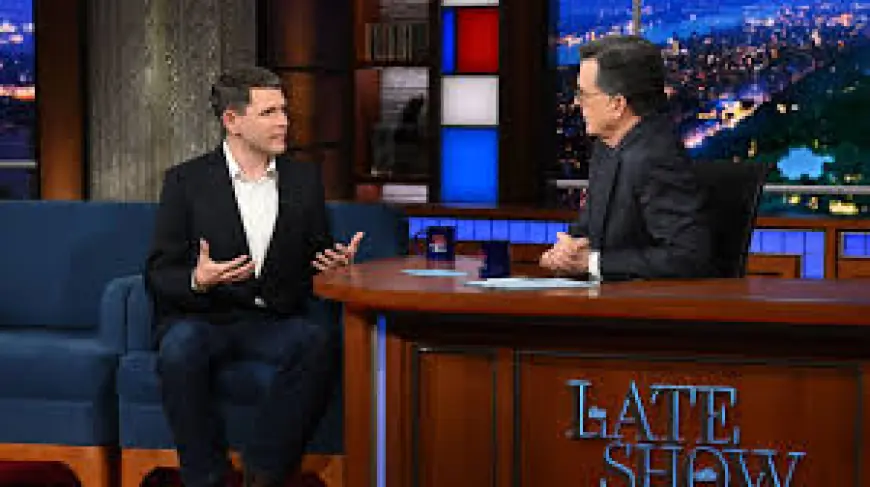
Federal Communications Commission chair Brendan Carr publicly accused journalists on Wednesday of being misled about a dispute in which a late-night host said he had been blocked from interviewing a Texas Senate candidate. Carr defended the commission's enforcement of equal-time rules and confirmed a separate enforcement action tied to a daytime talk appearance by the candidate.
Carr: No censorship, just enforcement
Speaking at a commission meeting on Wednesday, Carr said the episode demonstrated a failure by parts of the press to verify claims before amplifying them. He framed the issue as an effort by the FCC to apply a decades-old law that requires broadcasters to provide comparable time to legally qualified candidates when one appears on the air. "If you have a legally qualified candidate on, you have to give comparable air time to all other legally qualified candidates, and we're going to apply that law, " he said. "There was no censorship here at all. "
Carr criticized coverage that presented the host's account as proof of corporate censorship, saying that networks had not sought exemptions that would allow certain interviews to fall under a news-interview exception to equal-time obligations. He also warned that broadcasters remain responsible for ensuring their programming complies with federal rules and could face liability if it does not.
Network guidance, late-night fallout and campaign boost
The late-night host initially claimed that he had been prevented from interviewing the candidate; the network countered that it had provided legal advice warning that the interview could trigger equal-time requirements and thus obligate the outlet to offer comparable access to rivals. After an internal dispute and public exchanges, the host ultimately posted the interview on the show's online channel, where it drew a large audience.
The controversy produced immediate political consequences. The candidate's campaign said it raised substantial sums in the 24 hours following the host's initial public comments, and the interview's wide online viewership far outpaced typical broadcast audiences for the program. The episode renewed debate about whether contemporary talk shows and daytime programs still benefit from long-standing informal practices that treated host-led interviews as newsworthy exceptions to equal-time regulations.
Political implications and agency divisions
Not all commissioners framed the matter the same way. The commission's lone Democratic member criticized the broader pattern of the current administration using the agency to pursue content it disfavors, and she signaled skepticism about the sudden, proactive application of equal-time guidance in this instance. Her remarks underscored an ongoing partisan split at the agency over how aggressively to police content and how to interpret exemptions for bona fide news interviews.
Carr's confirmation that the commission has opened an enforcement action into a daytime talk appearance by the candidate adds another layer to the dispute. He declined to provide further details about the investigation but emphasized that every broadcaster has an obligation to vet programming for compliance with federal rules.
The episode raises practical questions for broadcasters and for hosts who routinely invite political figures onto entertainment-focused programs. If the agency continues to apply equal-time rules more strictly, media organizations may increasingly seek formal exemptions or change booking practices to avoid triggering obligations that could require them to balance appearances among opposing campaigns.
For now, the fight has played out in the court of public opinion as much as in regulatory corridors: a late-night interview posted online has generated widespread attention and fundraising momentum for the candidate, while the regulator insists it is simply enforcing the law on the books. The disagreement between commissioners points to further clashes ahead over how the rules should be applied in an evolving media landscape.