

























irs warns: What a federal shutdown could mean for your tax refund and how to avoid delays

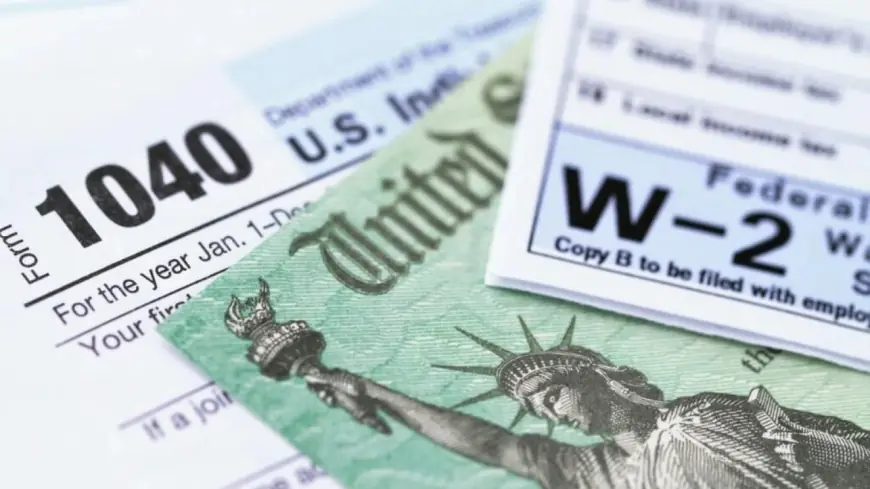
As tax season approaches, many households count on a refund for bills and savings. The Internal Revenue Service’s automated systems remain operational during a partial federal shutdown, but reduced staffing and required manual checks can create hold-ups — especially for returns claiming specific refundable credits. Here’s what taxpayers should expect and practical steps to reduce the odds of a delay.
Why some refunds slow down during a shutdown
Electronic returns that are error-free and set up for direct deposit generally move through the system quickly, often within the familiar 21-day window after processing. The IRS keeps automated processing running, which means the bulk of routine returns should continue to clear.
The bottleneck comes when a return triggers a human review. Federal law requires extra verification for refunds that include the Earned Income Tax Credit (EITC) or the Additional Child Tax Credit (ACTC). Those checks cannot be fully automated and depend on staff to complete.
When a shutdown reduces federal staffing, returns selected for manual review can sit longer than usual. Returns that contain errors, unmatched identity information, or other red flags are more likely to be pulled for review. A separate common trigger is Form 8379, Injured Spouse Allocation, which reallocates portions of a joint refund and typically requires extra processing time.
How to track your refund and when to act
Taxpayers should monitor the IRS online refund tracker, Where's My Refund? The tool updates once daily and normally reflects status changes within 24 hours of an accepted e-file. If a refund has not moved and it has been more than 21 days since acceptance, check the tracker first rather than calling — that can save time for both filers and agency staff.
If there’s no movement for four to five weeks after acceptance, it’s reasonable to contact the IRS directly. Be prepared with your filing status, exact refund amount, and the date the return was accepted. Those details help representatives locate returns that need manual attention more quickly.
Keep in mind that a partial federal shutdown does not affect state tax agencies in the same way. State filing systems may continue to operate on their regular schedules, so state refunds can still arrive on time even if a federal refund is delayed.
Steps taxpayers can take to avoid or minimize delays
1) File electronically and choose direct deposit. That remains the fastest route for most refunds and helps avoid mail and paper-processing delays. 2) Double-check personal information before submitting: Social Security numbers, names, filing status and bank routing numbers must match IRS records. Simple mismatches are a frequent cause of manual reviews. 3) If you claim EITC, ACTC, or submit Form 8379, anticipate a potential hold and plan cash flow accordingly; federal law requires extra verification that can extend processing times into mid-February for refundable credits. 4) Keep documentation ready: proof of income, dependent documentation and identity records will be necessary if the IRS requests further verification.
Financial planners note that while most refunds will continue to move through automated channels, taxpayers relying on a refund for essential expenses should prepare contingency plans in case reviews take longer. If major delays threaten bills or rent, consider short-term alternatives like payment arrangements with creditors or local assistance programs.
With the tax filing deadline on April 15, 2026 (ET) for most taxpayers, prompt and accurate filing remains the best defense against delays. Monitor the refund tracker daily, respond quickly if the IRS requests verification, and avoid last-minute mistakes that invite manual review.