






















ramadan 2026: Start dates, fasting hours and what to expect

Muslim communities around the world are preparing for Ramadan 2026, the annual month of fasting, prayer and reflection. Observances are expected to begin on the evening of Tuesday, February 17, 2026 (ET) or on Wednesday, February 18, 2026 (ET), depending on local moon-sighting decisions. The month will last 29 or 30 days, during which fasting takes place from dawn until sunset each day.
Start dates and the role of moon sighting
Start dates for Ramadan are set by local moon-sighting practices and national committees that observe the crescent. That process means communities may begin on different days in different countries. Some authorities declared the first day of fasting to be Wednesday, February 18, 2026 (ET), following verified crescent sightings. Others maintain the traditional option to begin after local observation, so communities should watch local announcements for final confirmation.
The Islamic (Hijri) calendar is lunar, so Ramadan shifts earlier by about 10 to 12 days each solar year. That movement explains why fasting hours vary from year to year relative to the seasons; it also means Ramadan will occur twice in 2030, once in early January and again in late December.
Fasting hours and global variation
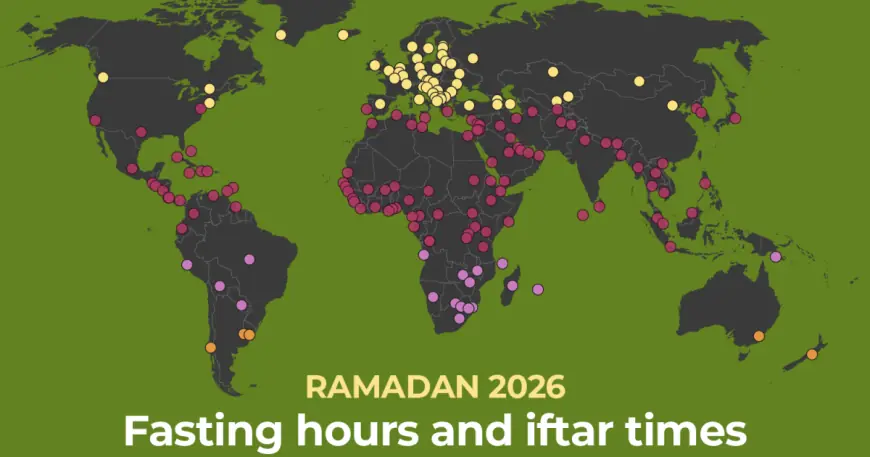
Daylight fasting duration varies widely by latitude and season. For Ramadan 2026, dawn-to-dusk fasts will generally range from roughly 11. 5 to 15. 5 hours depending on location. Many places in the Northern Hemisphere will begin with shorter fasts of about 12 to 13 hours on the first day and see modest increases through the month, while communities in southern latitudes may experience longer fasts of roughly 14 to 15 hours at the start.
During daylight hours, those observing the fast abstain from eating, drinking, smoking and sexual relations. Meals are typically taken before dawn (suhoor) and after sunset (iftar), when families and communities gather to break the fast. The practice is intended to foster self-discipline, compassion, and increased spiritual awareness, often described by observers as a time for reflection and charity.
Campuses, workplaces and community support
Schools, universities and employers should anticipate that students and staff will balance religious observance with regular responsibilities. Many institutions adjust schedules or provide flexibility for prayer breaks, exams and teaching commitments. Simple measures—such as allowing short prayer breaks, providing quiet spaces for worship, and offering empathy around energy levels during daylight hours—help maintain wellbeing and productivity.
Members of the Muslim community often exchange greetings such as "Ramadan Mubarak" or "Ramadan Kareem, " wishing one another a blessed or generous month. Some observers describe the month as a kind of sustained spiritual retreat that unfolds between home, study or work, and local places of worship. Such reflections underscore the social as well as spiritual dimensions of Ramadan and the value of mutual respect across diverse communities.
As Ramadan approaches, individuals and organisations are encouraged to prepare practical arrangements and to extend understanding to those observing the fast. The combination of spiritual focus, communal gatherings at iftar and the practical realities of fasting means this period is both deeply personal and widely felt across societies.