























Trump intensifies pressure over diego garcia as UK government faces fresh backlash

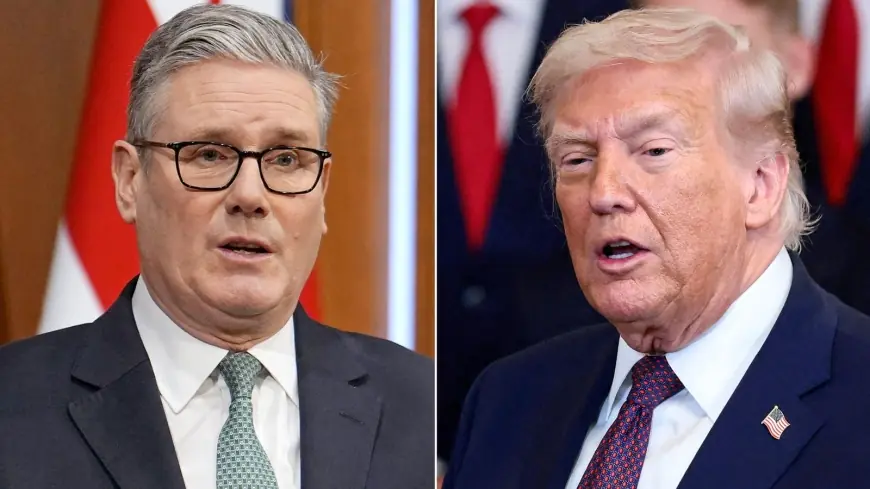
In a sharp intervention on Wednesday (ET), the US president urged the UK not to transfer sovereignty of the Chagos Islands and pleaded that Diego Garcia remain under British control. The reversal comes days after US officials publicly backed the agreement and has prompted renewed political fury at home, with calls for the government to rethink a deal framed as securing the future of a key military base.
Rapid reversal deepens diplomatic strain
The latest public rebuke marks another sudden shift in the US position that has left ministers asking what has changed in 24 hours. On Tuesday (ET) the US government had voiced support for the plan to cede sovereignty over the Chagos archipelago while preserving a long-term lease of Diego Garcia for military use; 24 hours later the president described the deal as a strategic mistake and urged the UK not to proceed.
In his online post on Wednesday (ET), the president warned that Diego Garcia is vital to potential operations should conflict with Iran escalate, arguing the island must not be placed under a tenuous long-term lease. The intervention stressed the island’s role in broader security planning and framed the UK decision as a bad precedent that could imperil bilateral ties if not reversed.
Downing Street and the Foreign Office have defended the negotiated settlement as the only viable way to guarantee the joint base’s future. Government spokespeople reiterate that the agreement ensures continued military access for the UK and its allies while addressing long-running sovereignty claims over the territory.
Domestic political fallout and defence debate
The president’s comments have been seized on by political opponents as evidence the government is mishandling national security. Senior figures from across the right have called the deal an error that undermines the UK’s relationship with its most important ally, while centrist critics suggested the episode exposes broader vulnerabilities in Westminster’s strategic planning.
Separately, pressure is mounting from former military leaders and ex-ministers urging a substantial boost to defence spending. Some commentators have described the current moment as a defining test of the government’s willingness to prioritise military capability and deterrence, demanding a significant rise in defence investment to reassure partners and respond to evolving threats.
Ministers insist the deal locks in the long-term future of the Diego Garcia base and that ceding formal sovereignty does not diminish operational arrangements. Still, the political optics are difficult: senior officials are being pushed to explain why sovereignty is being transferred at a moment when the island’s strategic value is repeatedly highlighted by allies and critics alike.
What happens next
Officials will now face the task of managing transatlantic relations while keeping the agreement on track. The foreign secretary’s engagements in the United States this week have taken on added significance, presenting an opportunity to press the practical safeguards embedded in the treaty and to reassure military partners about access and basing rights.
At home, the government must balance parliamentary scrutiny, opposition attacks and demands from defence experts. Whether ministers can neutralise the political heat will depend on clarifying legally binding protections for the base and demonstrating how the deal secures long-term operational certainty.
For now, the sudden public reversal has left the UK negotiating a diplomatic minefield: preserving a joint military capability while managing the domestic political consequences of a contentious sovereignty transfer.