
























From foreheads to crowns: How ash rituals mark lent around the world

On Ash Wednesday Catholics leave church marked for the season of lent, but the look of those ashes differs sharply by region. In the United States a dark cross on the forehead is common; in many parts of Europe, especially Italy, ashes are lightly sprinkled on the crown of the head. The variations reflect centuries of liturgical custom, local rite, and contemporary conversation about visibility and humility.
Forehead cross or crown of ashes: two approved gestures
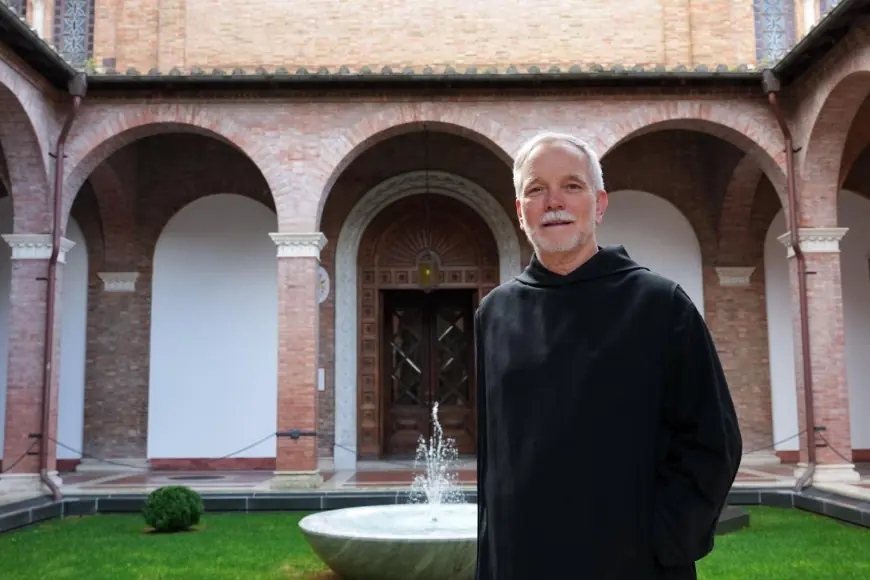
The Church approves both the tracing of a visible cross on the forehead and the sprinkling of ashes atop the head. Benedictine Father Eusebius Martis, a professor at a pontifical institution in Rome, said on Feb. 11 (ET) that the official texts speak only of the imposition of ashes, not the exact manner of application. He expressed a personal preference for sprinkling on the crown, describing it as aligned with Gospel calls to practice prayer, fasting and almsgiving quietly and sincerely rather than for public recognition.
"Because it's invisible, the person that’s receiving it is under this cloud, literally, under this cloud of ashes, and so it’s really a gesture of humility, " Father Martis said. At the same time he acknowledged that the cross on the forehead carries sacramental resonance: it recalls the sign made at baptism and marks belonging to the Christian community.
The ashes themselves are prepared by burning the palm fronds from the previous year’s Palm Sunday and are imposed with words such as, "Remember that you are dust, and to dust you shall return, " or "Repent, and believe in the Gospel. " Whatever the form, the gesture launches the 40 days of penitential practice leading to Easter.
Roots and regional rites: why customs diverged
Traditions around Ash Wednesday evolved over centuries. By the 11th century there were established distinctions in how people received ashes. Benedictine Father Kurt Belsole, who coordinates liturgy at a Roman college, noted an historical pattern in which men received ashes on the head and women on the forehead. He suggested this may have been practical—men often did not wear head coverings in church while women commonly did—so the ashes would touch the skin.
Today many Italian churches follow the practice of sprinkling ashes on the crown for both men and women; popes who observe Ash Wednesday in Rome have historically followed that custom. In other places, including much of the United States, the visible cross remains prevalent. Some liturgical traditions differ more radically: communities that follow the Ambrosian rite in and around Milan do not observe Ash Wednesday at all, instead beginning Lent the following Sunday, a local custom traced back to the fourth century.
Modern expressions: humor, social media and spiritual focus
Contemporary culture has added another layer to the conversation. A viral infographic that categorizes the many shapes and styles of forehead ashes—playfully naming them and inviting people to compare what they received—has circulated widely, prompting laughter and lighthearted sharing. The creator behind the infographic has framed it as a tribute to the Church’s ability to hold joy alongside penitence and has pointed to a long history of humor among certain saints and preachers.
Clergy interviewed for recent coverage stressed that despite these visible and virtual differences, the core meaning of the ritual remains the same: an outward sign intended to prompt inward humility, repentance, and preparation for Easter. Whether hidden on the crown or worn visibly on the forehead, the ashes call the faithful to reflection and to a season shaped by prayer, fasting and acts of charity.
As Catholics worldwide observe Ash Wednesday this year, the variety of gestures serves as a reminder that liturgical expression is both unified in purpose and diverse in practice. The form taken in any given parish reflects local history, pastoral judgment and cultural sensibilities, all aimed at drawing people deeper into the Lenten journey.