





















Retail mogul Les Wexner Tells Lawmakers He Was 'Naive' and 'Conned' by Epstein

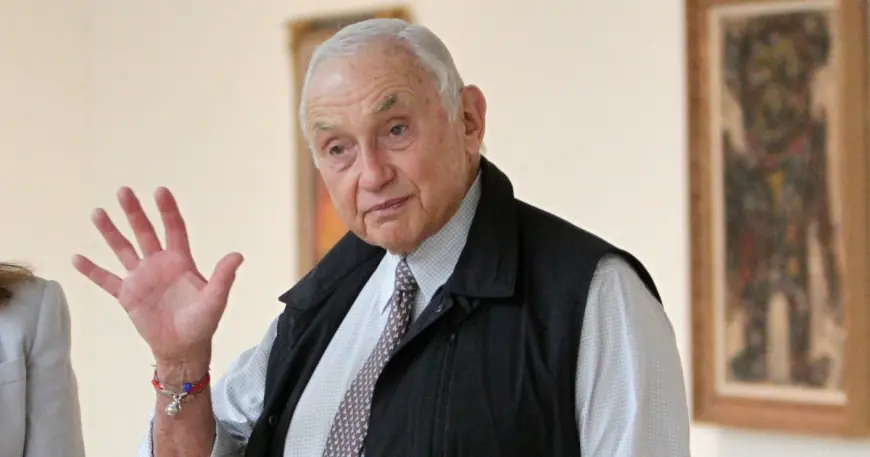
Les Wexner, the 88-year-old retail mogul long linked to Jeffrey Epstein, told a House committee he had been "naive, foolish and gullible" in trusting the late financier and said Epstein stole "vast sums" from his family. Wexner denied any knowledge of Epstein's criminal conduct and said he had cut ties after learning of the abuse, while Democrats on the panel pushed back on his portrayal of the relationship.
Closed-door deposition in Ohio and the scope of questioning
Members of the House Committee on Oversight and Reform traveled to Wexner's home state of Ohio for a closed-door deposition on Wednesday, where the retired executive was questioned for roughly six hours. He submitted a written opening statement and reiterated in testimony that he had no involvement in or knowledge of Epstein's criminal acts. Wexner said he visited Epstein's private island for only "a few hours" with family and that he had "irrevocably cut ties" once he learned Epstein was abusing young people.
In his prepared remarks Wexner characterized Epstein as "a conman" and said he was the victim of financial misappropriation. "He was a conman. And while I was conned, I have done nothing wrong and have nothing to hide, " he told the committee. Wexner also said his wife uncovered evidence that Epstein had taken substantial sums from their family, a claim he repeated in testimony.
Democrats press on financial transfers and alleged enabling
Democratic members of the committee pushed back on Wexner's account, emphasizing the long and close professional relationship between the two men. Lawmakers highlighted documents released in recent months that show extensive interactions and financial transactions between Wexner and Epstein over decades. One committee member noted that there were transfers, stock movements and other transfers that could amount to more than $1 billion tied to Epstein from Wexner-related accounts, and pressed for clarity on the purposes and timing of those transfers.
Committee Democrats also pointed to Wexner granting Epstein wide authority over his finances at one point, including power of attorney, and questioned whether that degree of access helped Epstein accumulate the resources later used to sustain his network. Several survivors who have previously provided testimony to investigators have mentioned Wexner's name when recounting how Epstein cultivated access to affluent social and financial circles, and lawmakers said those accounts required further scrutiny.
Wexner's defense, remaining questions and political dynamics
Wexner insisted he had never witnessed, condoned, or enabled Epstein's crimes and defended his lifelong marriage when confronted with allegations that he had been trafficked to other men by Epstein. He said he was "pleased to testify" and sought to "set the record straight" about his connections. A spokesperson for Wexner emphasized that he answered questions fully and reiterated his denial of involvement in criminal conduct.
The deposition was attended only by Democratic committee members in person; Republican members did not travel, though some of their staff were present. Committee leaders said a video and transcript of the session will be released in due course, which will give the public and investigators a fuller view of the exchanges. Until then, outstanding questions remain about the exact scale of financial transfers, the timeline of when Wexner claims he severed ties, and whether others in Epstein's circle played roles in enabling his crimes.
The hearing adds a notable chapter to an ongoing federal and congressional examination of how Epstein operated within powerful social and financial networks. Lawmakers emphasized that unraveling the monetary and personal links that allowed Epstein to amass influence will be central to understanding how his abuses were facilitated and sustained.