


















dire wolf duo Romulus and Remus grow up — now snacking on deer as they mature

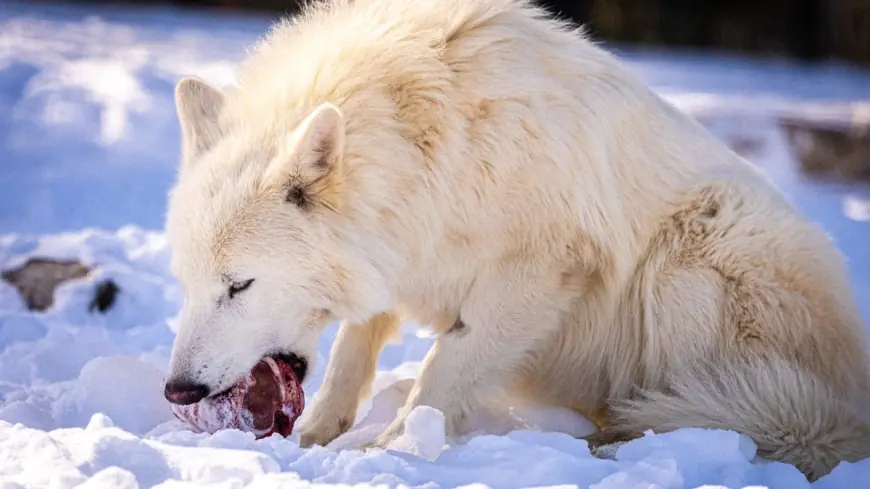
Romulus and Remus, the first two modern-day dire wolves brought to life by Colossal Biosciences, have moved beyond puppy milestones. Born Oct. 1, 2024 (ET) after fertilized dire wolf eggs were implanted into surrogate dog mothers, the males are now roughly 16 months old and have been fed a deer carcass as part of their maturation on a 2, 000-plus acre preserve.
From surrogate birth to bigger bites: the growth curve
The pair began life raised by surrogate dogs and have since been reared on a large, managed habitat designed to support their physical and behavioral development. Staff note the animals will continue to grow until around age three. Celebrations for their Oct. 1, 2024 (ET) birthday included a cake, a small marker in a high-profile animal program that has sought to reintroduce traits of the extinct species into living animals.
At about 16 months, the two males differ in build. "Romulus is broader and stockier, " said Paige McNickle, manager of animal husbandry, while Remus is "a little taller" and lankier. Both are no longer "pups, " McNickle added, and their food and enrichment routines have shifted to reflect that change in maturity.
Hunting, behavior and safety inside the preserve
Feeding the pair a deer carcass is part of a staged maturation process meant to teach pack dynamics and prey-handling. Early chases around the preserve produced smaller captures — rabbits and rodents that occasionally wander into the enclosure — but staff say the wolves have been progressing to larger quarry. The program's chief animal officer noted that while the animals are "good at the hunting part, they’re bad at the killing part" early on, the pack has improved at capturing small prey and now pursues deer.
Handlers emphasize that familiarity with the team is driven by routine feeding, not domestication. "They are friendly to the team because we give them food, but they don't act like dogs. They are wolf, " McNickle said. She also cautioned that normal wolf instincts remain intact: if a caretaker ran through an enclosure, the wolves would instinctively view that person as prey and respond accordingly.
As they continue to mature, Romulus and Remus have displayed natural behaviors such as stalking and cooperative movement during hunts, though staff control and oversight remain intensive. The animals do catch small animals that enter their habitat, reinforcing the need for strict safety protocols around the preserve.
Pack dynamics and what’s next
The two males now share space with a female named Khaleesi, born in January 2025 (ET), who joined them as the group formed a primitive pack. Observations since her arrival indicate normal social play and the development of hierarchical interactions typical of canid packs. Managers plan to expand the population further; additional pups are reportedly in development as part of a broader breeding and rewilding strategy.
The program’s caretakers are balancing the animals’ natural instincts with long-term welfare and safety measures. The preserve environment, enrichment plans and gradual exposure to hunting scenarios aim to foster species-typical behavior while minimizing risks to both animals and staff. As Romulus and Remus approach the next stage of growth, the team will continue to monitor their development through to full maturity around age three.
For now, the image of the pair enjoying a deer carcass marks a tangible milestone: the animals are moving from juvenile play toward the adult skills that define their ecological role, even as they remain under close human stewardship at the preserve.