
















Trump Urges Starmer: 'Do Not Give Away diego garcia' as Chagos Deal Stumbles

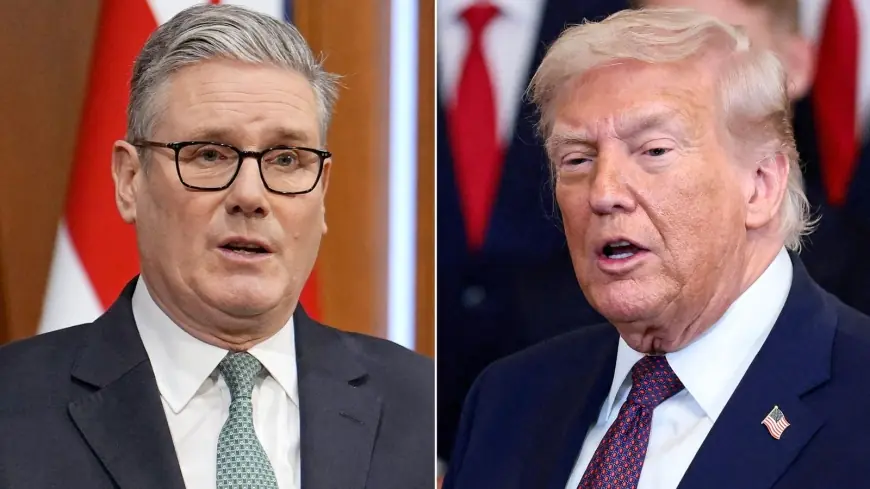
In a striking reversal that has unsettled ministers in London, the US president has publicly urged the UK prime minister not to transfer sovereignty of the Chagos Islands and to retain control of the strategic island of Diego Garcia. The intervention came after Washington had signalled support for the deal only a day earlier, leaving officials and politicians scrambling to assess what has changed.
Sudden reversal and strategic warnings
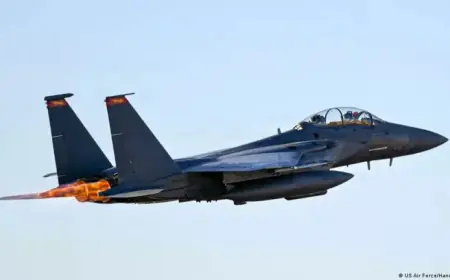
On Wednesday evening ET the US president posted a public message urging the UK not to "give away" Diego Garcia, calling any transfer a "blight" on the Anglo-American relationship. He framed the island as vital to potential military options, saying that if tensions with Iran escalated the United States might need to use Diego Garcia, alongside other bases, to counter a threat. The language echoed earlier remarks that ceded sovereignty would risk Britain losing control of a base with enduring operational value.
The intervention is notable because only weeks earlier the president had appeared to signal acceptance of the arrangement. That apparent shift — and the close timing with a formal US statement backing the deal on Tuesday ET — has left UK officials asking what prompted the change. The sudden public rebuke has amplified concern in Westminster about depending on unpredictable signals from Washington on issues central to national defence.
UK government response and political fallout
A government spokesperson pushed back firmly, stressing the defence rationale for the agreement and warning that the negotiated approach is the only way to guarantee the long-term future of the military base on Diego Garcia. The spokesperson said: "The deal to secure the joint UK-US military base on Diego Garcia is crucial to the security of the UK and our key allies, and to keeping the British people safe. The agreement we have reached is the only way to guarantee the long-term future of this vital military base. "
Downing Street and the Foreign Office are reported to be assessing how a bilateral phone call between the prime minister and the US president, held only days earlier, made no mention of the Chagos arrangements. That omission has fed questions about whether the UK was fully sighted on shifting US priorities.
Right-leaning politicians have seized on the US intervention to attack the government’s approach, warning that the deal risks alienating the United States and undermining national security. Opposition voices on the centre and right have used the episode to call for the agreement to be scrapped, while other figures urged a rethink of reliance on the US under current leadership. At the same time, government ministers emphasise the deal’s role in preserving allied access to a strategic base in the Indian Ocean.
On-the-ground developments and next steps
Complicating the diplomatic row, British authorities have issued removal orders for four Chagossians who recently landed on a remote atoll in the archipelago, an action likely to intensify scrutiny of the transfer plans. More arrivals were expected, and ministers will need to manage both the legal and human consequences of the proposed handover while addressing defence commitments.
Foreign Office officials and UK ministers are preparing to brief parliamentary colleagues and allied partners. The immediate task will be to clarify whether the US position has hardened and, if so, to determine what reassurances or modifications might safeguard access to the base without abandoning the negotiated transfer. In the short term, the episode has exposed the political hazards of negotiating strategic arrangements that hinge on shifting international rhetoric and underlined the domestic sensitivity surrounding sovereignty and security.