

















Reality Check Fallout: tyra banks Faces New Criticism as Former Contestants Speak Out

Reality Check: Inside America’s Next Top Model — a three-part documentary that interviews dozens of past contestants and key creative staff — has reignited debate over the culture and conduct of the hit series. The programme’s unprecedented access paints a portrait of a show that launched careers but also normalized body-shaming, public humiliation and questionable production choices that many participants say left lasting harm.
What the documentary reveals
The series gives camera time to former judges, photographers and producers alongside dozens of contestants, tracing the show’s rise and the moments that have aged poorly. Viewers are shown examples of contestants being weighed on camera and criticized for their bodies, as well as photoshoots and makeovers described by participants as demeaning. One former contestant recalls being cast and then ridiculed for having a “wide ass”; another remembers being asked to pose as an elephant during a safari-themed shoot.
Several scenes focus on production choices that participants now describe as reckless. A photoshoot that required a contestant to pose with a simulated bullet wound reopened trauma for a woman whose mother had been shot and left paralysed; a producer later admitted the concept was a mistake but struggled to acknowledge the personal consequences for the contestant. Other challenges framed as character-testing are characterized by those interviewed as humiliation rituals—one model says she was pressured to have a gap in her teeth closed, another recounts a party in Milan that descended into a frightening situation.
Those who helped create the series frequently frame it as an attempt at inclusivity and a pathway into fashion, yet the documentary suggests the show often reinforced the very standards it claimed to disrupt. Participants point out that the industry at large remained unmoved by the show’s theatrical stunts: the fashion world did not adopt the programme’s more sensational images, and contestants frequently emerged from the experience without the career breakthroughs they had been promised.
Public fallout and old wounds reopened
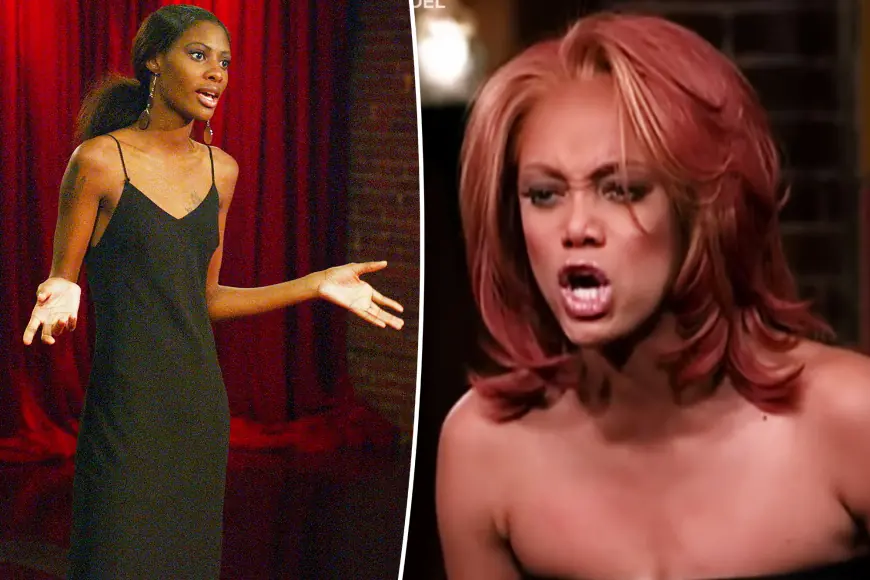
One of the documentary’s most scrutinized moments is a confrontation between the host and a contestant that became a cultural touchstone. The host has conceded in the interviews that the exchange was excessive and that she “went too far, ” linking the outburst to cumulative pressures and an emotional history tied to broader cultural expectations. Colleagues on set describe the incident as frightening enough that legal teams were involved the following week.
That exchange has continued to reverberate. A former contestant, who clashed with the host more than two decades ago, recently posted an angry message on social media, reopening old animosities and accusing the host of bullying and of saying hurtful things about her and her child. She also highlighted her current work supporting people with mental disabilities and argued she has built a meaningful life beyond the show. Other past judges and creatives who appear in the documentary offer differing degrees of contrition; some voice regret, while others seem more defensive about production choices made at the time.
Industry impact and accountability questions
The documentary surfaces uncomfortable questions about consent, power and protection on reality TV sets. Many contestants came from economically precarious backgrounds and framed the show as their ticket out. Instead, several say they felt manipulated, pressured and exposed. Producers acknowledge missteps in some creative choices, yet the film suggests those admissions often sit alongside a reluctance to fully reckon with how those choices affected real people.
As conversations about responsibility in entertainment continue, the legacy of the show looks increasingly complicated. It remains a cultural touchstone that expanded representation and popularized model-focused reality television, but the human cost described by former participants has cast a long shadow. The documentary has pushed those debates back into the public arena, and whether it will prompt substantive change in how such programmes are made remains an open question.