

















New Orleans Celebration Reaches Peak on fat tuesday as Carnival Ends

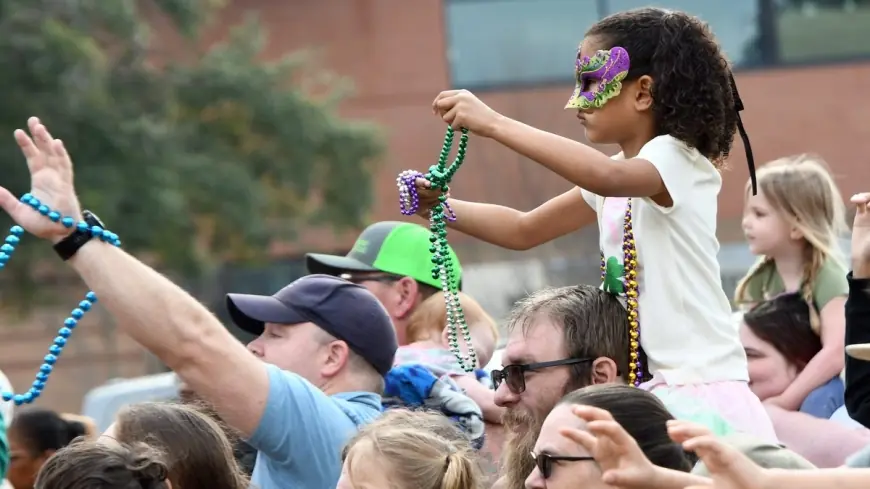
Thousands of people lined parade routes and leaned from wrought-iron balconies as Fat Tuesday brought the weekslong Carnival season to a raucous close. Revelers in green, gold and purple danced to brass bands, traded trinkets thrown from floats and savored one last day of indulgence before the start of Lent.
Parades, music and the rituals of the final day
As the sun climbed over historic avenues, crowds staked out spots with folding chairs, coolers and ladders for a better view. “Throw me something, Mister” echoed through the streets as floats made their way down parade lines and marching bands filled the air with syncopated brass and drum rhythms. Costumes ranged from sequined extravagance to homemade creations, and many attendees added glitter and feathered headdresses to their ensembles.
Each krewe brought its own signature "throws" — from plastic beads and doubloons to stuffed animals and novelty cups. One of the most sought-after items remains the hand-decorated coconut tossed by a major parade; when a man dressed in a crawfish costume clutched one of those coconuts and waved it above the crowd, the shell’s gold glitter flashed in the sunlight.
For many, Fat Tuesday is an unapologetic final fling. Some swapped morning coffee for adult concoctions as they waited for floats to pass, while others danced in the streets or watched costumed parade-goers roam the French Quarter. The day is the vibrant climax of Carnival and always falls the day before Ash Wednesday, with celebrations peaking on Tuesday, Feb. 17 (ET) in places that mark the date.
Tradition, identity and regional variations
Longstanding customs were on full display. Beaded and bejeweled Black masking Indian costumes, topped with feathered headdresses, joined the parade of elaborate outfits that honor neighborhood identities and histories. Local residents who have marked Mardi Gras for decades said the ritual brings them back year after year.
“The world will be here tomorrow, but today is a day off and a time to party, ” one longtime reveler said, describing the impulse that draws people into the streets. Another added, “Once you have experienced Mardi Gras, how do you not come back?”
Outside of the urban spectacle, Louisiana’s rural traditions continued to attract attention. The Cajun French Courir de Mardi Gras — a costumed run where participants go house to house begging for ingredients and chase live chickens for a communal gumbo — remains a folkloric counterpoint to the big-city parades. Parades and parties also unfolded across the Gulf Coast and in other regions that take their Carnival cues from New Orleans, while international celebrations in places such as Brazil and parts of Europe offered their own distinct flavors.
Moments of chaos and a wider cultural footprint
While most gatherings were celebratory, the day also included isolated incidents that drew eyes amid the revelry. A video captured an arrest during the festivities, reminding officials and attendees that safety and crowd control are ongoing concerns when thousands gather in tight urban spaces.
Beyond the floats and confetti, Fat Tuesday’s cultural footprint stretches to quirky traditions elsewhere: an international Pancake Day competition pits communities against one another in kitchens far from Louisiana, while parades in smaller Gulf Coast cities keep regional Carnival customs alive.
As dusk fell on the final day of Carnival, streets began to clear and the city’s rhythm shifted toward the quieter observance of Ash Wednesday. For many, the goodbye to Carnival meant late-night celebrations and plans to return next year — already imagining the next chance to let the good times roll.